DC Comics announces three new Elseworlds titles for 2026, including Dark Knights of Steel II, a medieval fantasy. These alternative narratives, far from being mere curiosities for collectors, represent an exceptional quarry of ideas for video game development. Concepts like a Superman father of the future or a medieval knight Batman offer unique character designs and settings, ready to be transformed into 3D assets and playable worlds that stand out for their originality within the saturated superhero genre.
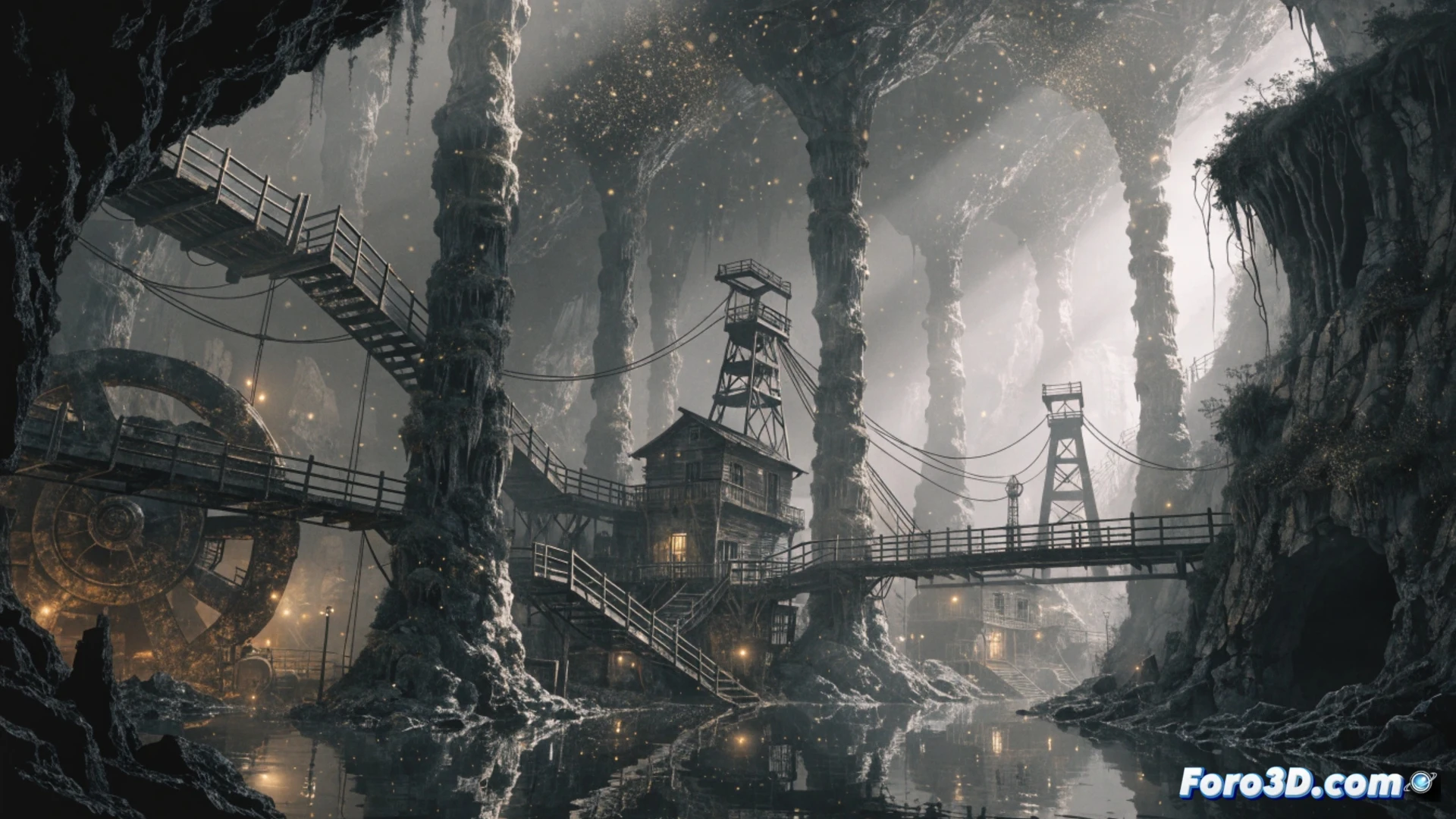
From comic to game engine: adaptation of designs and scenarios 🎮
The adaptation of an Elseworlds to a video game begins with the translation of its visual assets. A saga like Dark Knights of Steel demands a different art pipeline: heraldic armors, gothic castles, and fantastic beasts replace the usual spandex suits and skyscrapers. This directly impacts level design, proposing dungeons, sieges, and open kingdoms instead of urban environments. Mechanically, a game based on Supergirl: Survive could prioritize resource management and survival, while Father of Tomorrow could explore legacy mechanics and moral decisions, moving away from pure combat in the style of Injustice.
Divergent narrative as the core of gameplay 💡
The main value of Elseworlds is not aesthetic, but narrative. These alternative premises allow redefining the rules of the universe and, therefore, the game mechanics. A studio can take the essence of an Elseworlds without needing a direct license, creating original games where the archetypes of hero, villain, and world are subverted. In a market where innovation is key, these stories demonstrate that reinventing known icons can be the perfect engine for fresh and memorable gaming experiences.
How can independent video game developers leverage DC's Elseworlds narratives to create innovative game mechanics and distinctive assets without infringing copyrights?
(P.S.: 90% of development time is polishing, the other 90% is fixing bugs)