The GitHub leak of the DarkSword spyware kit, a sophisticated state tool, has triggered a compliance crisis for Apple. This incident transfers a high-level risk, typical of government environments, to the public domain, exposing hundreds of millions of iOS users. The legal obligation of due diligence and immediate response to a critical vulnerability is automatically activated, forcing the company into a crisis management process where every hour counts and technical decisions have profound legal implications.
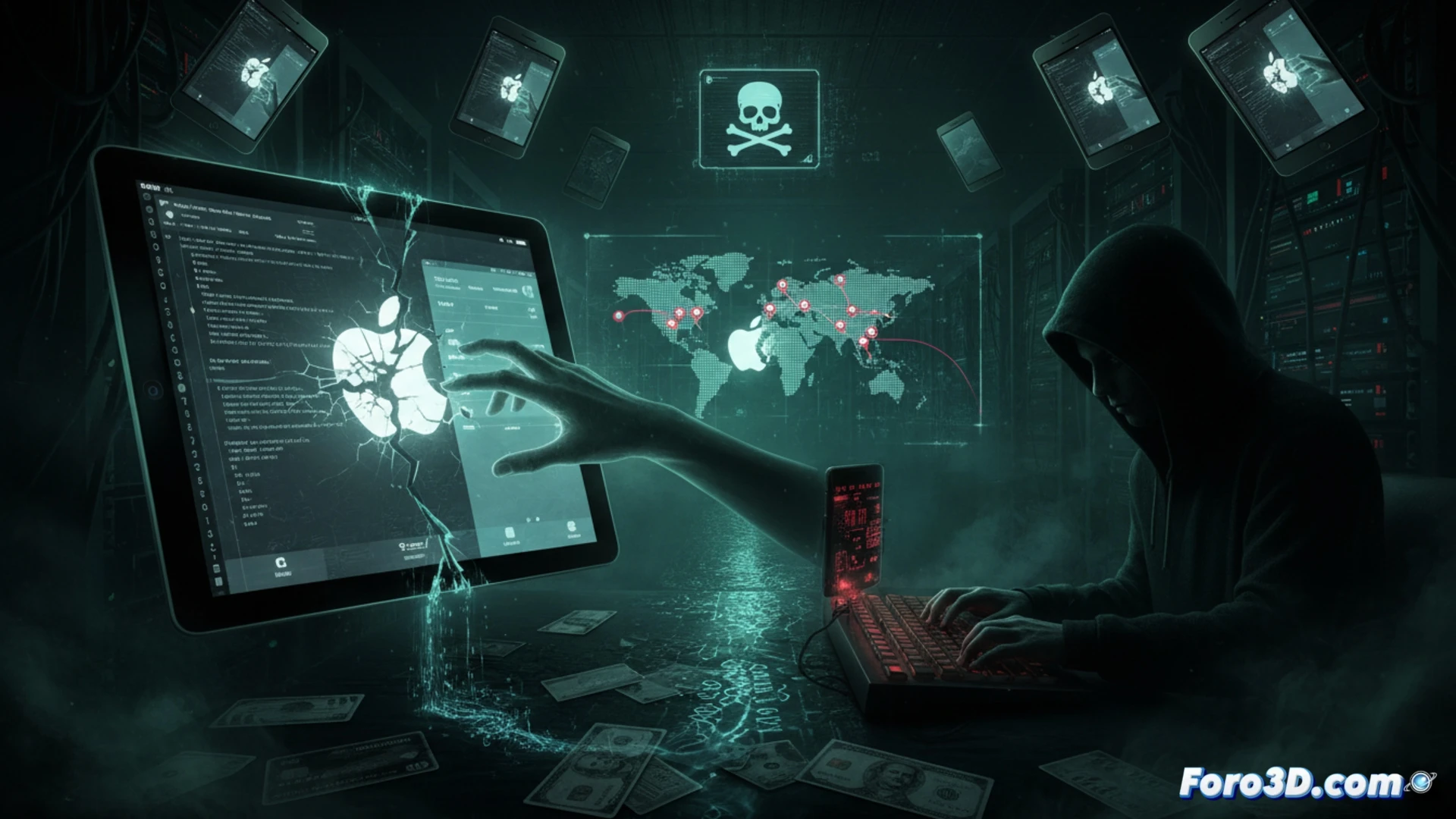
Anatomy of a compliance response: from risk to patch 🛡️
The management of this incident follows a critical workflow marked by compliance. The initial phase is the legal risk assessment: the tool, now public, exploits a zero-day vulnerability in iOS <=18 to install the GHOSTBLADE malware, accessing sensitive data protected by regulations like the GDPR. This constitutes a mandatory notification security breach. The next node is the simultaneous technical and legal decision: develop an emergency patch. In parallel, the transparent communication protocol with users is activated, recommending immediate update or, as an alternative, Lockdown Mode as a mitigation measure. The endpoint is the massive implementation of the patch, closing the exposure window and limiting liability.
Lessons for the regulatory compliance framework ⚖️
This case sets an operational precedent. It demonstrates that technology companies must have integrated response protocols, where legal and security teams collaborate from minute zero. The speed of reaction is not only technical, it is a compliance imperative to mitigate damages and potential sanctions. The leak of state tools democratizes advanced threats, so cybersecurity frameworks must evolve to consider these attack vectors in their risk assessments and business continuity plans.
How would you model a data verification workflow to avoid legal risks?