Céline Dion announces her big comeback with a series of concerts at the Paris La Défense Arena in 2026. This event, after her health-related hiatus, is not only a musical milestone, but also a top-level technical challenge. Planning a show of such magnitude in a multifunctional and large-capacity venue today relies on 3D design and simulation tools, essential for transforming an artistic vision into an immersive and logistically viable experience for thousands of attendees.
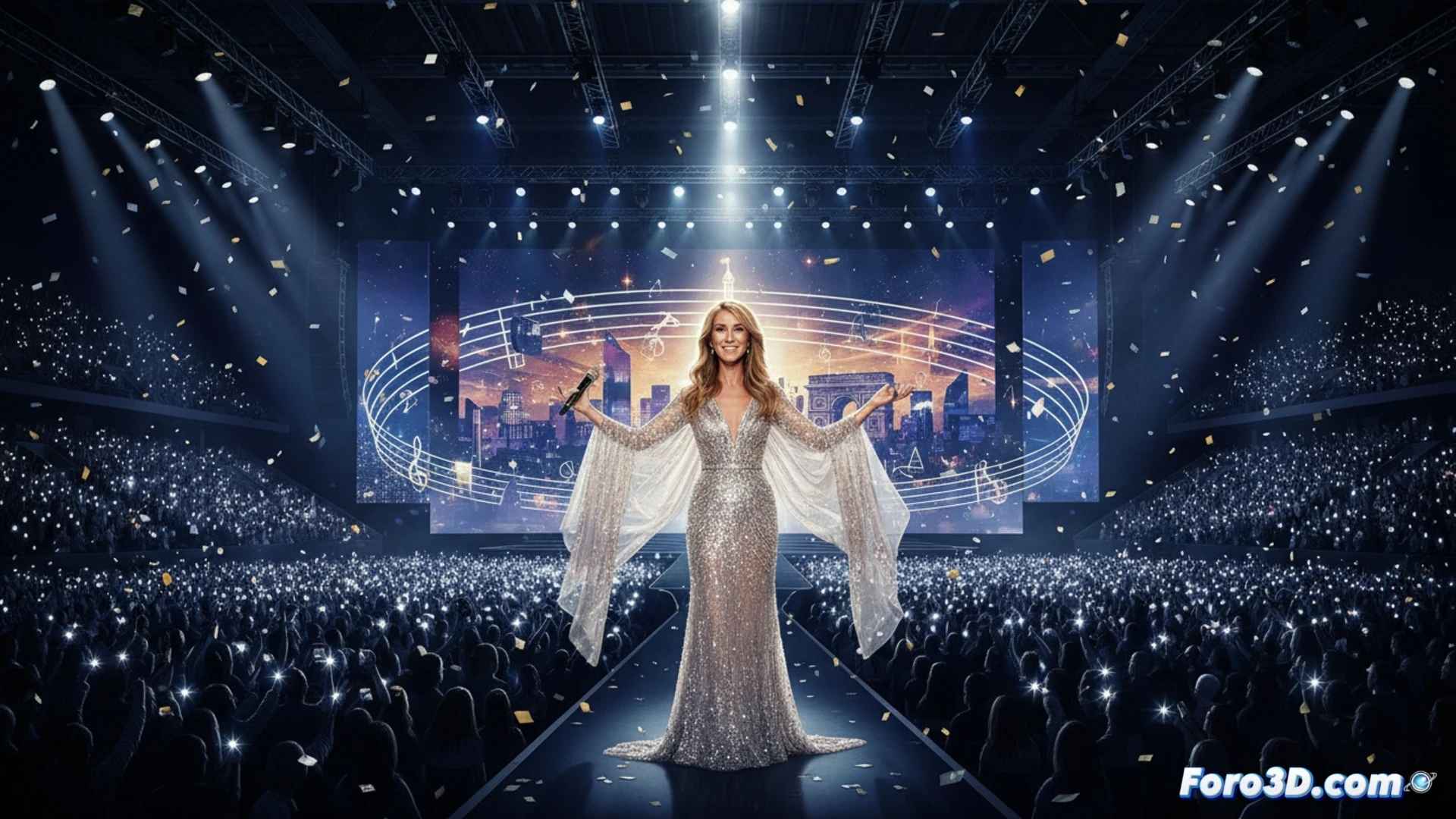
3D Visualization and Simulation: Keys to Preproduction 🎬
Before assembling a single structure, the production team will turn to specialized 3D scenic design software. These tools allow precise modeling of the arena, testing different stage configurations, and designing the support infrastructure for screens, lighting, and audio. 3D acoustic simulation is crucial for predicting and optimizing sound quality at every point in the stands. Likewise, video mapping is planned over digital models of the stage to ensure perfect integration of visual content. This comprehensive preview minimizes risks, controls costs, and ensures that every detail contributes to the promised experience.
Beyond the Stage: Logistics and Audience Experience 🧭
3D technology is also applied to overall logistics and the spectator experience. Through crowd flow simulations, access, exits, and services can be planned to improve safety and comfort. Additionally, rendered visualizations from different perspectives in the venue are an invaluable tool for the creative team, allowing them to fine-tune stage direction and ensure that no spectator misses the visual impact of the show. Thus, what begins on a computer culminates in a cohesive and unforgettable spectacle.
How are 3D modeling and crowd simulation technologies being used to design and validate the scenography and visual experience of macro-concerts, such as Céline Dion's announced return at the Paris La Défense Arena?
(P.S.: designing a stage in 3D is easy, the tricky part is making sure the musicians don't fall off it)