The announcement of Ravenloft: The Horrors Within for 2026 brings back, readjusted, a subclass feared by many game masters: the Grave Domain for clerics. Its star mechanic, the negation of enemy critical hits, promises to be a powerful defensive pillar in combat. This article analyzes this ability from the game design perspective, evaluating its impact on encounter dynamics and offering strategies to integrate it healthily into the campaign, maintaining both the challenge and the horror narrative.
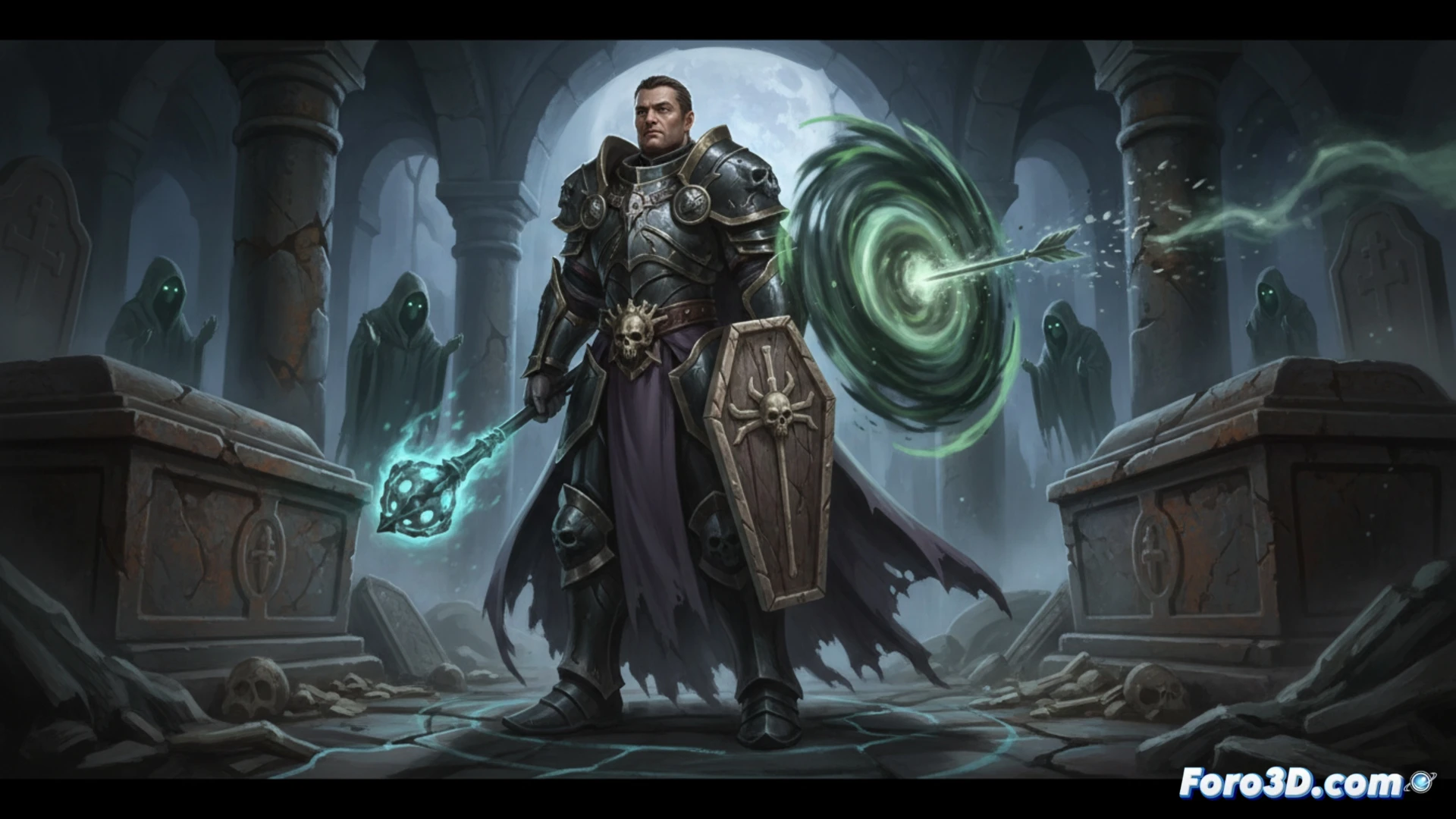
Critical Hit Negation Mechanic: Power and Consequences in Design 🛡️
The ability to nullify critical hits, whether by turning them into normal attacks or reducing their damage by half, is an exceptional group defense tool. From a design standpoint, this mechanic eliminates an element of extreme randomness (critical damage) that game masters sometimes use to create moments of dramatic tension. Its mere presence in the group changes the math of encounters, forcing a passive readjustment. Enemies that rely on single, devastating hits see their effectiveness reduced, while hordes with multiple normal attacks gain relative value. The balance here doesn't break, but shifts, forcing the game master to diversify threats.
Strategies for the Game Master: Beyond Direct Combat 🧠
To counter frustration and maintain pressure, the game master must think laterally. Threats shouldn't just be critical hits. Status effects like fear, paralysis, or ability drain, automatic damage from environmental effects, and challenges that separate the cleric from the group are effective narrative countermeasures. Additionally, you can play with the psychology of terror: the ability prevents brute physical damage, but not mental horror or spiritual corruption, which are pillars of Ravenloft. Integrating the subclass means recognizing its tactical power but remembering that true terror is rarely resolved with a saving throw.
How does the design of the Grave Domain Cleric in D&D 5.5e affect combat dynamics and balance in a gothic-style campaign, and what considerations should a Game Master have to integrate it without breaking the narrative tension?
(P.S.: game jams are like weddings: everyone happy, no one sleeps, and you end up crying)