An analysis of nighttime observations in 44 major U.S. cities confirms that urban areas have greater cloudiness than the surrounding countryside. The research, published in Nature Communications, quantifies this increase at up to 15%. City design, and not its size, is identified as the determining factor in this urban meteorological phenomenon. 🌆
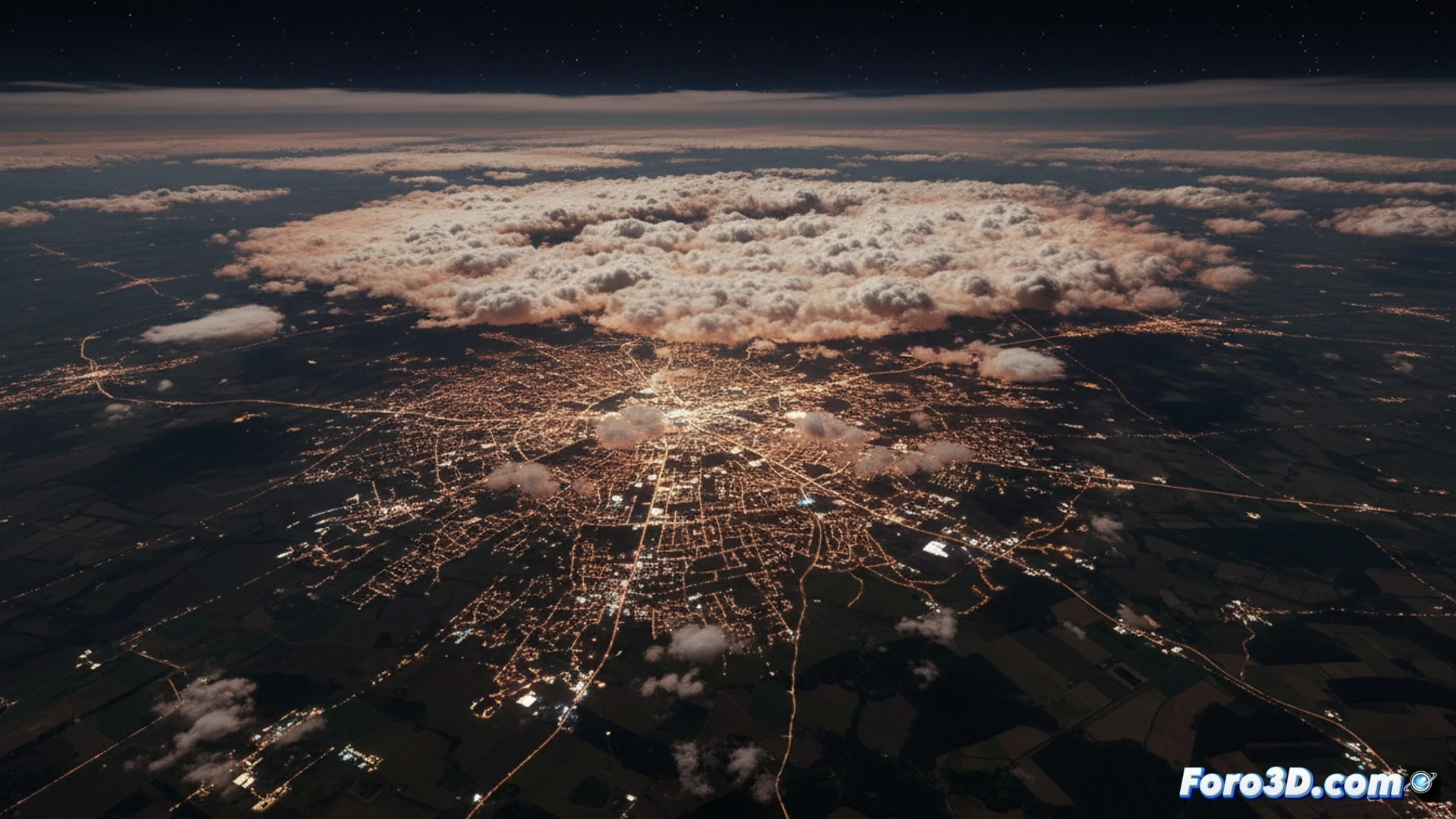
Urban geometry as the engine of cloud formation ☁️
The study details that the key lies in the relationship between building height and street width. Deep and narrow urban canyons intensify the upward movement of warm and humid air, facilitating condensation and the formation of low clouds. In contrast, excessive building density limits vertical air mixing and mitigates the effect. These findings are supported by computational simulations that model the interaction between urban structure and the atmosphere.
Planning the sky with urban planning 🏙️
It seems that architects and urban planners not only design the ground, but also the weather. Now we can imagine meetings where it is debated whether the new financial district will have a sky covered by default, affecting the terraces and solar panels in the neighborhood. Perhaps in the future, building permits will include a forecast of generated cloudiness, so that citizens know if they will need umbrellas just for living in a block with very tall buildings.