The concept of the Chrysalis ship, a gigantic space ark designed to transport a thousand humans across interstellar distances, is not just a theoretical engineering exercise. For virtual environment creators, it represents the ultimate 3D modeling project. Visualizing, designing, and simulating a structure of such complexity and scale requires advanced digital world creation techniques, where every life support system, every habitable module, and every destination scenario must be built and tested in a virtual space before any physical construction.
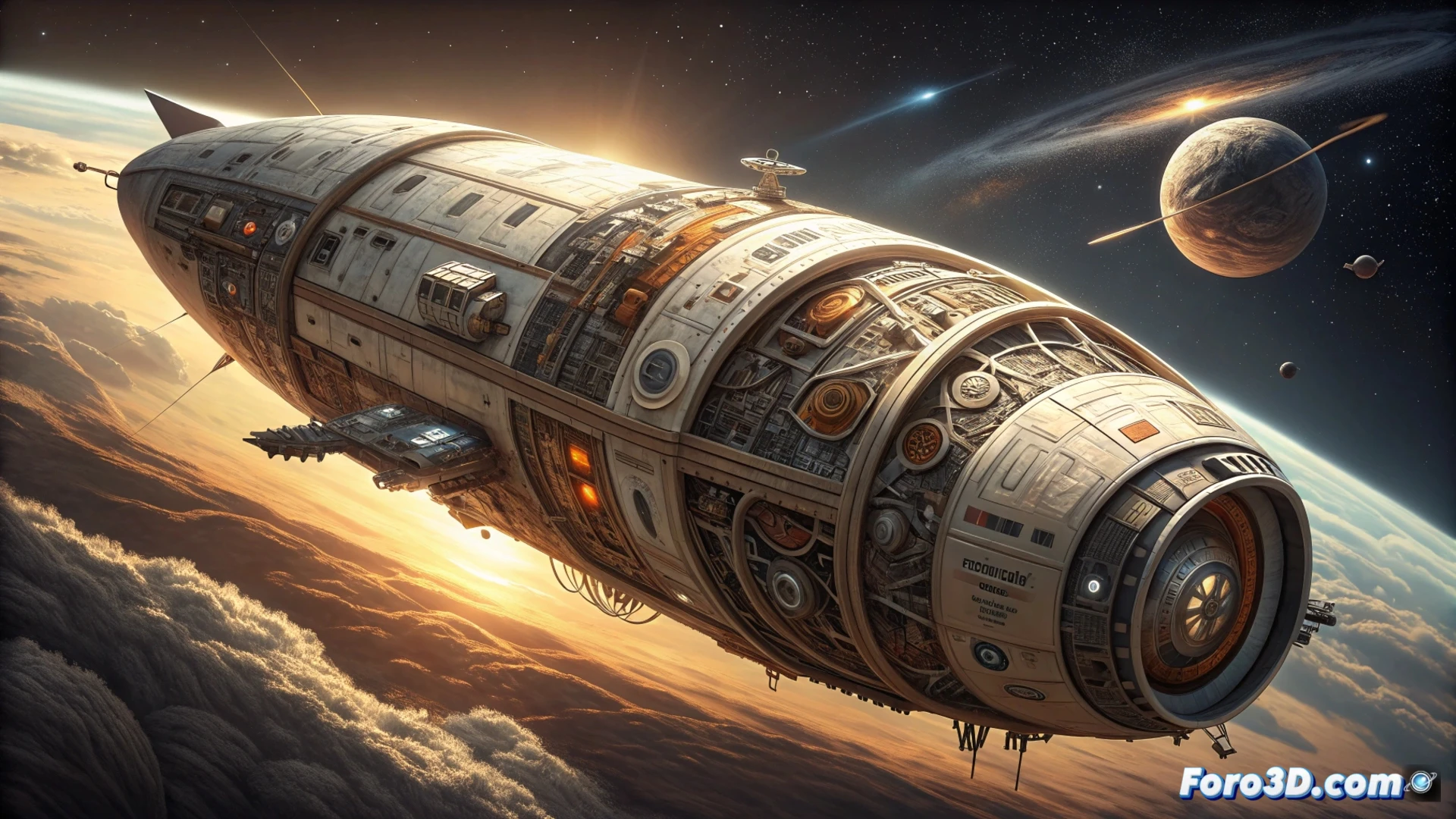
From Concept to Simulator: Building Chrysalis in a Digital Environment 🚀
The process begins with high-precision modeling of the main structure, its thrusters, and shields. But the true depth lies inside: it is necessary to generate the maze of decks, corridors, closed ecological systems, and common spaces for such a large community. Virtual environment creation tools allow not only visualization, but also simulation of traffic flows, resource consumption, and social dynamics on a centuries-long journey. Additionally, the outer space environment, with its dangers like radiation or micrometeorites, and the alien destination worlds, must be recreated with scientific fidelity for mission tests and contingency plans, serving as an indispensable digital testbed.
The Value of the Virtual Prototype in Space Exploration 🌌
Projects like Chrysalis demonstrate that the frontier of space exploration is first drawn in the digital realm. These comprehensive virtual environments transcend mere illustration, becoming crucial tools for public outreach, crew training, and design validation. By building Chrysalis pixel by pixel, 3D artists and technicians not only visualize a distant future, but create the virtual scaffolding upon which the reality of human expansion toward the stars could one day be built.
How is the 3D modeling of a realistic-scale interstellar ship approached, balancing structural complexity, life support systems, and aesthetics, to create a believable and visually impactful virtual environment?
(P.S.: Creating virtual environments is like being God, but with less budget and more bugs.)