Three decades later, the Chinga episode of The X-Files, written by Stephen King, remains a fascinating object of study. Its greatest narrative achievement was relegating Fox Mulder to a secondary role, placing Dana Scully as the sole driver of the investigation. This structural shift is not a mere whim, but a pre-production decision that completely redefines the visual and emotional dynamics of the story, allowing the exploration of horror from a new perspective and giving Gillian Anderson a unique space for the autonomous development of her character.
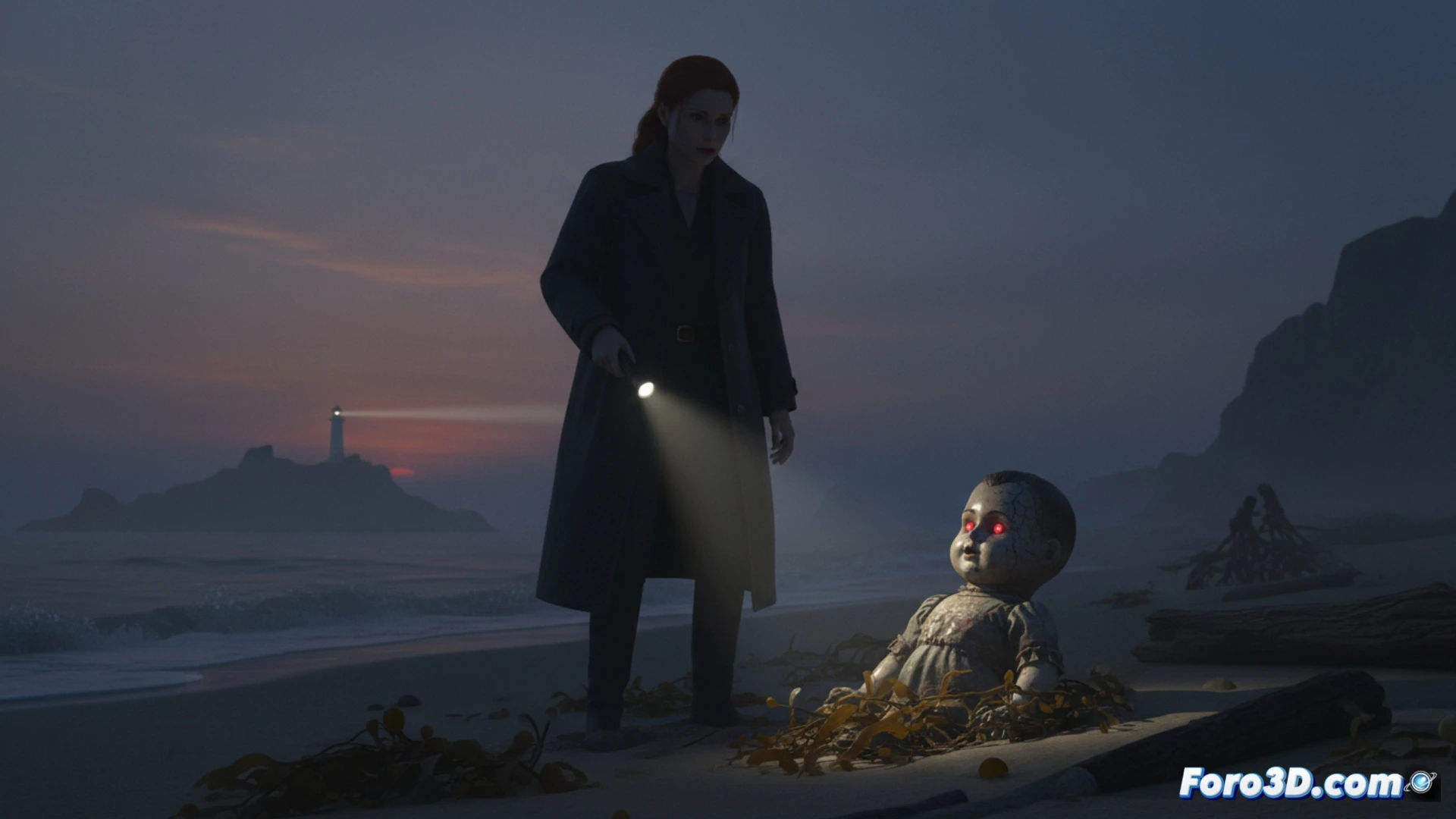
Stylistic Integration: Kingian Horror in the Visual Universe of The X-Files 🔍
Stephen King's signature is not only in the script, but in the translation of his themes into the series' visual language. The everyday horror and possession of an innocent object, a doll, required specific scene design and art direction. The claustrophobic atmosphere of a small town in Maine, far from the usual federal settings, and the previsualization of key scenes, such as acts of self-mutilation or the doll's unnatural movements, prioritize psychological terror over spectacle. This focus on atmosphere and sinister domestic detail demonstrated how a series with an established aesthetic can absorb and adapt the voice of an external author without losing its identity, an advanced exercise in serialized visual narrative.
Character Previsualization: Scully Beyond Skepticism 👁️
Chinga functions as a revealing storyboard for Scully's character. By temporarily freeing her from the counterpoint dynamic with Mulder, the visual narrative centers on her instinctive investigation process and her solitary reactions. The camera follows her without intermediaries, capturing her scientific curiosity tinged with a growing openness to the paranormal. This episode essentially previsualizes the autonomy and depth that the character would demonstrate, proving that her narrative strength did not depend on opposition, but on her own agency within the surrounding horror framework.
How does the Chinga episode of The X-Files, through its visual language and narrative structure, build an autonomous mythology around a cursed object that challenges the agency of its protagonists?
(P.S.: Previz in cinema is like the storyboard, but with more possibilities for the director to change their mind.)