21st century geopolitics is defined in Earth's orbit. China, with over 90 launches in 2025 and milestones like the Tiangong space station and lunar sample return, is advancing at an unprecedented pace. Western experts, such as Dave Cavossa, warn that U.S. dominance could be eclipsed in a lustrum if there is no resounding response. This technological showdown transcends exploration: it is a battle for prestige, security, and control of future strategic resources. 🚀
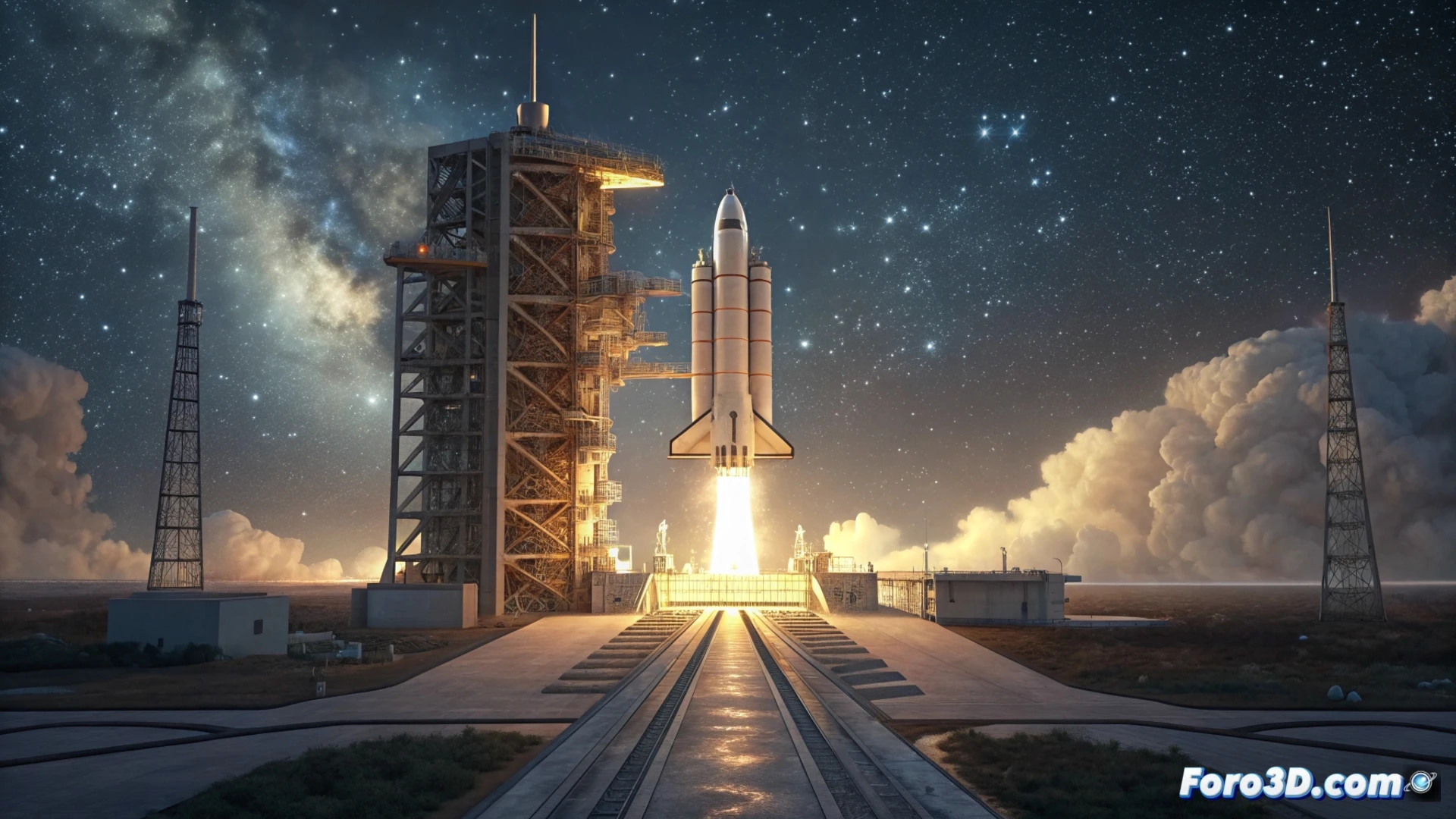
Visualizing dependency: the aerospace supply chain as a strategic weapon ⚙️
The space race is, at its core, a competition for resilient and autonomous supply chains. China has built a highly integrated aerospace ecosystem, reducing its external dependency on critical components, from launch rockets to navigation systems. A 3D visualization of these technological flows would reveal a map of asymmetric dependencies. While the U.S. still faces bottlenecks, China accelerates its autonomy, using its space sector as leverage to strengthen its high-end industry and project influence through initiatives like the Space Belt and Road Initiative.
Orbital dominance: more than a trophy, a new global order 🛰️
Whoever controls access and infrastructure in near space will define tomorrow's rules. Potential Chinese supremacy not only implies more launches, but the ability to establish technical standards, safety protocols, and legal frameworks. A scenario of space technological dominance would alter military, communications, and intelligence balances, reconfiguring global alliances. The Western response must go beyond imitating milestones; it requires an integrated strategy that combines open innovation, solid alliances, and a clear vision of space as a common good, not just a battlefield.
How is the space competition between China and the U.S. reconfiguring the security and resilience of global supply chains for critical technology?
(P.S.: geopolitical risk maps are like the weather: there's always a storm somewhere)