Falcom has officially unveiled the website and main cast of The Legend of Heroes: Trails in the Sky the 2nd Chapter. The narrative continues with Estelle Bright on her personal quest for Joshua, delving deeper into an already established world. This announcement is not just a marketing preview, but a lesson in continuity and character evolution within a JRPG saga. Analyzing how a universe expands from a solid foundation is crucial for any developer aspiring to create franchises with depth and coherence.
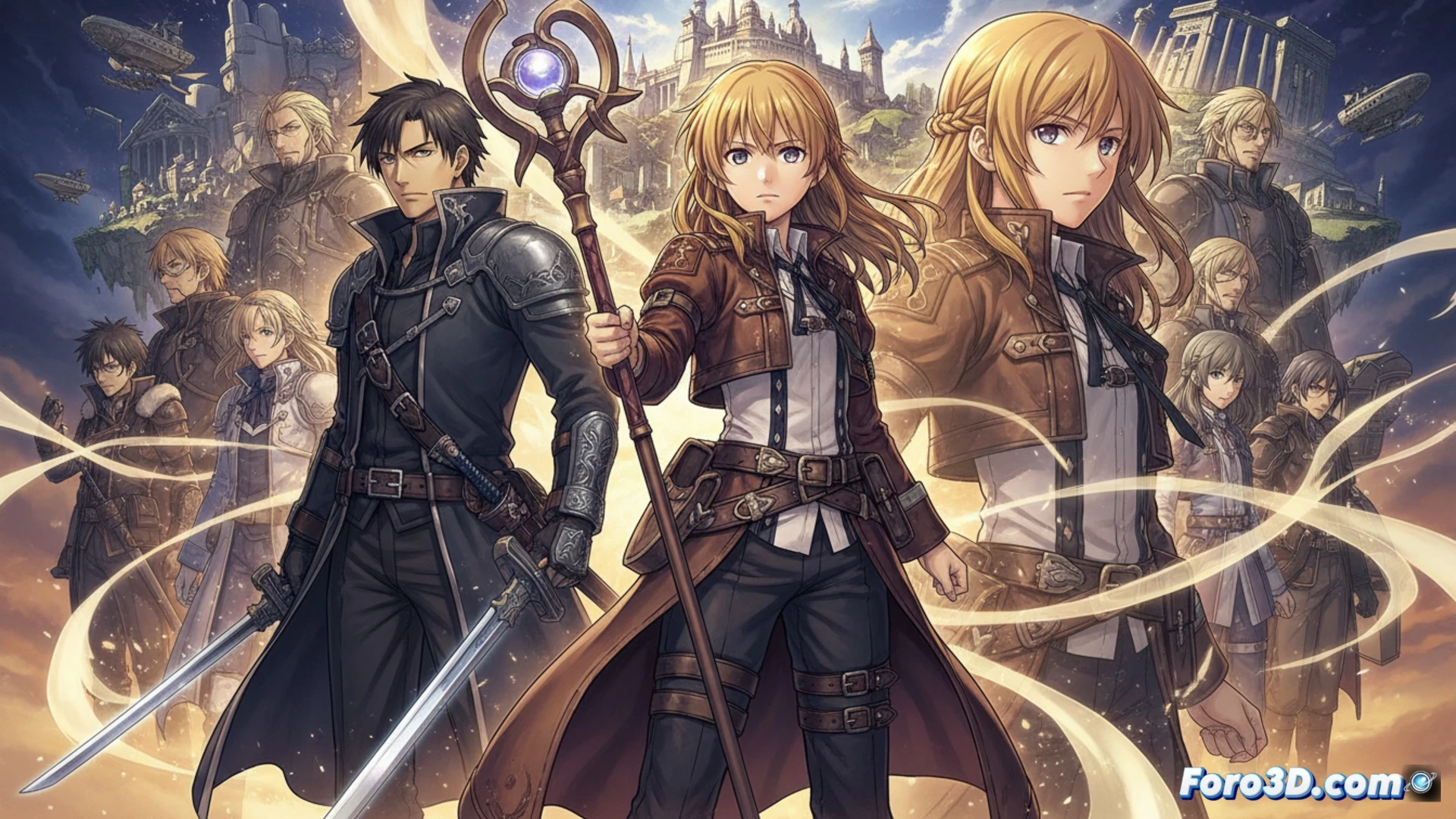
Narrative Construction and Character Assets: Beyond the Spec Sheet 🧩
The presentation of the eight protagonists reveals an integrated design methodology. Each character, from the senior Bracer Scherazard to the young engineer Tita Russell, is not just a combination of age, weapon, and nickname. They are narrative assets with a specific function in the plot and group mechanics. Joshua's disappearance acts as the plot driver, but the real development work lies in how the secondary arcs of the other characters intertwine with that main quest and the investigation of the mysterious organization. This approach ensures that each character asset contributes to worldbuilding and gameplay, avoiding expendable elements. For a developer, this underscores the importance of conceptual design, writing, and game balance working together from pre-production.
The Evolution of a Saga as a Case Study in Development 📈
The Legend of Heroes: Trails is a paradigmatic example of long-term planning. The Second Chapter does not reset, but builds upon the foundations of the first, exploring the emotional and political consequences of its events. This serialized storytelling strategy builds audience loyalty and allows for a narrative complexity rarely seen. For the development community, studying this transition between chapters offers valuable insights into managing expectations, smart asset reuse, and story scalability, demonstrating that patience in universe building can be a franchise's greatest asset.
How does character design in Trails in the Sky SC use visual progression and outfit details to reinforce the narrative arc and emotional development of the protagonists?
(P.S.: game jams are like weddings: everyone happy, no one sleeps, and you end up crying)