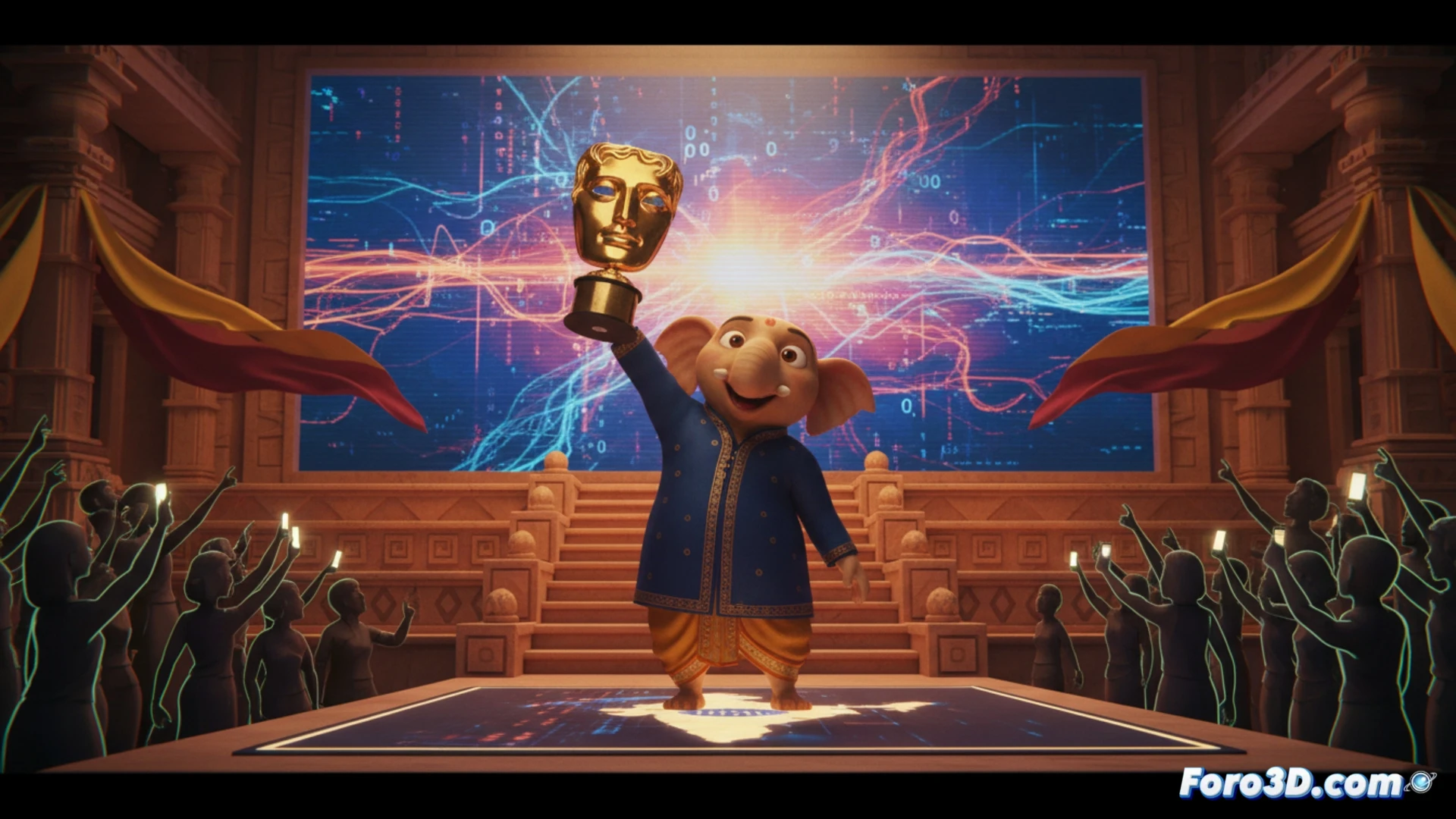
The Indian film Boong has marked a before and after by becoming the first production from its country to win a BAFTA award, in the category of Best Children's and Family Film. This recognition for an independent film by director Lakshmipriya Devi, centered on the emotional quest of a child in Manipur, transcends the mere award achievement. It represents an international validation of how local stories, told with authenticity and sensitivity, can resonate globally, opening new doors for Indian indie cinema.
Beyond low-tech: Digital preproduction as the key to narrative 🎬
Although Boong is not a film with spectacular visual effects, its visual and narrative success was surely built on meticulous preproduction where digital tools are key. 3D previsualization and digital storyboarding allow directors like Devi to plan shots, camera movements, and emotional sequences with great precision, especially in real locations and with child actors. This technological planning, often invisible on screen, is fundamental for optimizing resources, maintaining visual cohesion, and ensuring that every shot serves the story, maximizing emotional impact with an independent budget.
A new path: The local with global tools 🌍
Boong's triumph at the BAFTAs demonstrates that advanced digital technology is not just for blockbusters. It is an enabler for filmmakers from anywhere to tell their stories with professional rigor and universal reach. This milestone can drive in the Indian independent industry a greater adoption of comprehensive digital workflows, from animated graphic scripts to cloud postproduction, allowing more diverse voices to find their space with international quality, without losing their local essence.
How does the victory of Boong at the BAFTAs redefine the standards of digital visual narrative and what does it imply for the future of global independent cinema?
(P.S.: Previz in cinema is like the storyboard, but with more possibilities for the director to change their mind.)