The 2026 BMW i5 embodies a discreet transition to electrification, maintaining the essence of the traditional 5 Series but with an 84.3 kWh battery heart. This sedan prioritizes refined driving and elegant design over spectacle, although its EPA range of 259 miles in the xDrive40 version reveals a compromise. Behind its classic silhouette and agile performance lies a development deeply tied to 3D modeling and simulation tools, crucial for integrating its new architecture without sacrificing the brand's distinctive character.
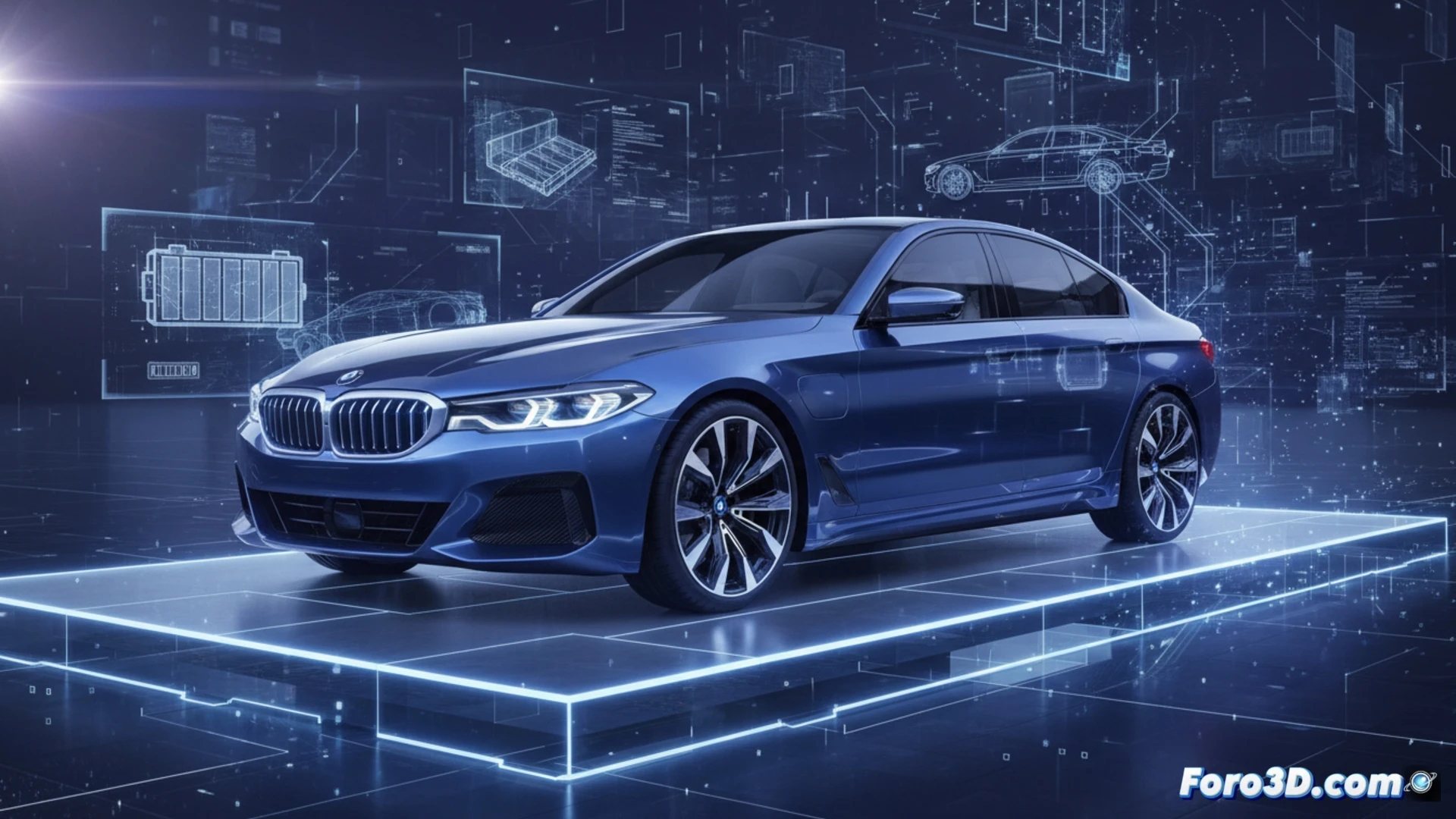
3D Modeling and CFD Simulation: the keys to integration 🛠️
Integrating the bulky battery pack into a body with established proportions was a packaging challenge solved with advanced 3D software. Digital modeling allowed optimizing the chassis and weight distribution to maintain dynamic balance. Simultaneously, aerodynamics, a critical factor for EV range, was refined through CFD (Computational Fluid Dynamics) simulations in virtual 3D environments. These tools enabled sculpting details in the wheel arches, underbody, and diffusers to reduce air resistance, maximizing every kilometer from the battery's available capacity.
The current limit of virtualization ⚡
Despite the precision of simulations, the i5's final range evidences a physical limit. 3D engineering can optimize efficiency to the maximum, but cell energy density and design philosophy prioritizing elegance and driving impose a tangible concession. This case underscores how digital tools, though fundamental, operate within margins defined by product strategy and available technology, leaving the buyer the final decision between refinement and practical range.
How has advanced 3D engineering allowed integrating the new electric platform components into the 2026 BMW i5 without compromising the classic proportions and 5 Series aerodynamics?
(PS: car electronics are like family: there's always a fusible that blows)