Koei Tecmo and Gust have announced Blue Reflection Quartet, a collection that brings together the four installments of the saga. It includes the remakes of the anime Ray and the mobile game Sun, along with the original titles, for PS5, Switch, PC, and the upcoming Switch 2. Supervised by illustrator Mel Kishida, this compilation aims to revitalize the franchise with technical improvements and a strategic launch that even spans Nintendo's next-generation hardware, marking an interesting bet on the preservation and revaluation of IPs.🎮
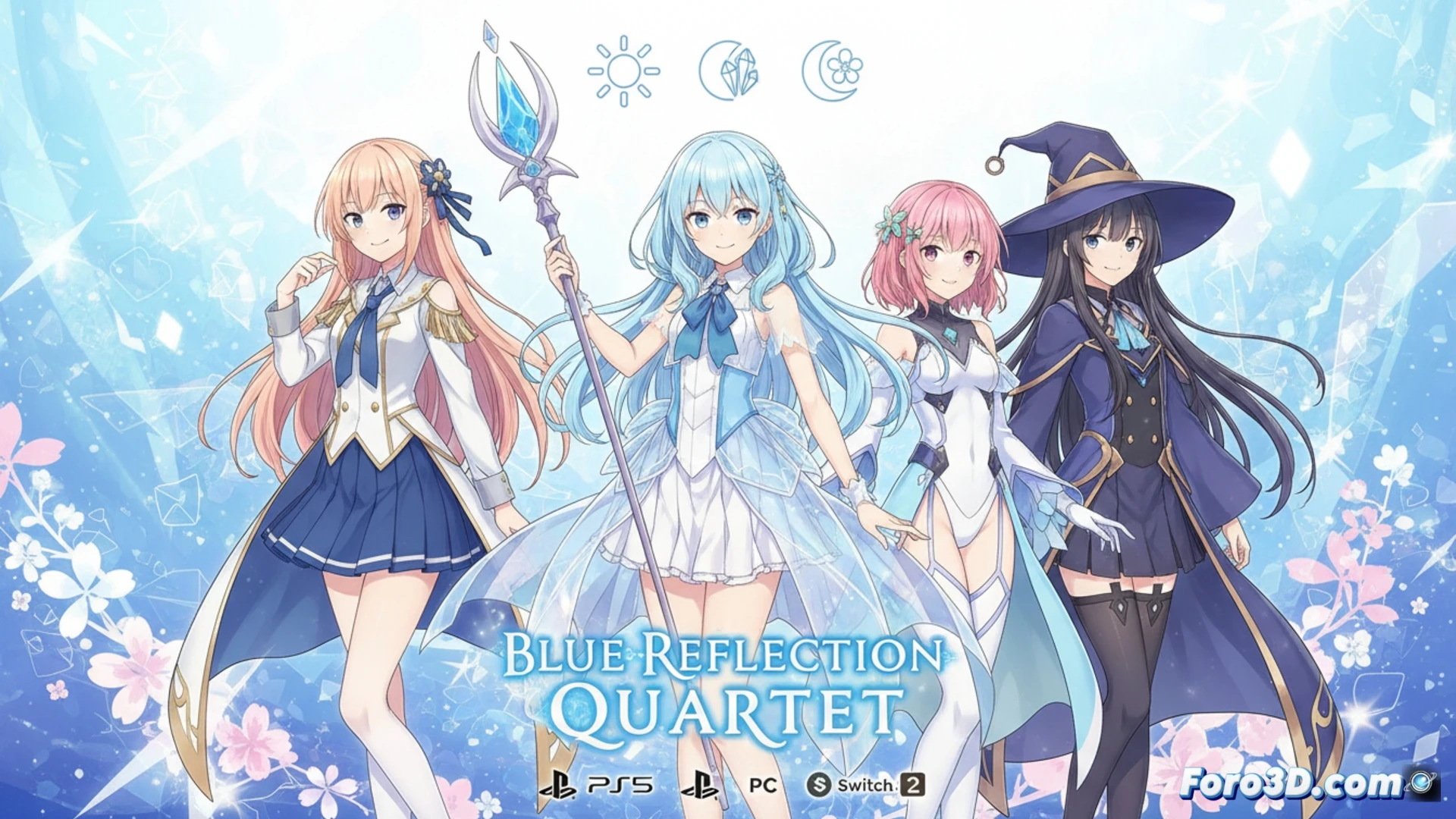
Technical and Production Analysis: Remasterizations and Multiplatform Strategy🔧
From a development perspective, this project is a case study on the modernization of assets. The confirmed improvements, such as high-resolution textures and new visual effects, are standard in remasterizations but crucial for attracting new audiences. The inclusion of quality-of-life features, such as auto-save, reflects an adaptation to modern conventions. The decision to release separate versions for Switch and Switch 2, without save compatibility, is technically understandable due to architectural differences, but represents a business choice that segments the audience. Additionally, the exclusively digital distribution in the West versus physical editions in Japan evidences different market strategies based on regional consumption habits.
Reflections on Saga Management and the Value of Creative Supervision💡
Blue Reflection Quartet exemplifies the trend of relaunching niche sagas through enhanced collections. The supervision by Mel Kishida, the saga's key illustrator, ensures artistic coherence and adds value as a seal of authenticity, an intangible but powerful marketing factor. This move not only seeks to monetize an existing IP but also to consolidate its legacy before possible new installments. The simultaneous bet on current and future platforms, such as the Switch 2, demonstrates long-term planning uncommon in launches of this type, risking initial fragmentation for early positioning on the new console.
How does the multiplatform relaunch strategy of Blue Reflection Quartet affect the preservation and accessibility of niche sagas in the video game development industry?
(P.S.: 90% of development time is polishing, the other 90% is fixing bugs)