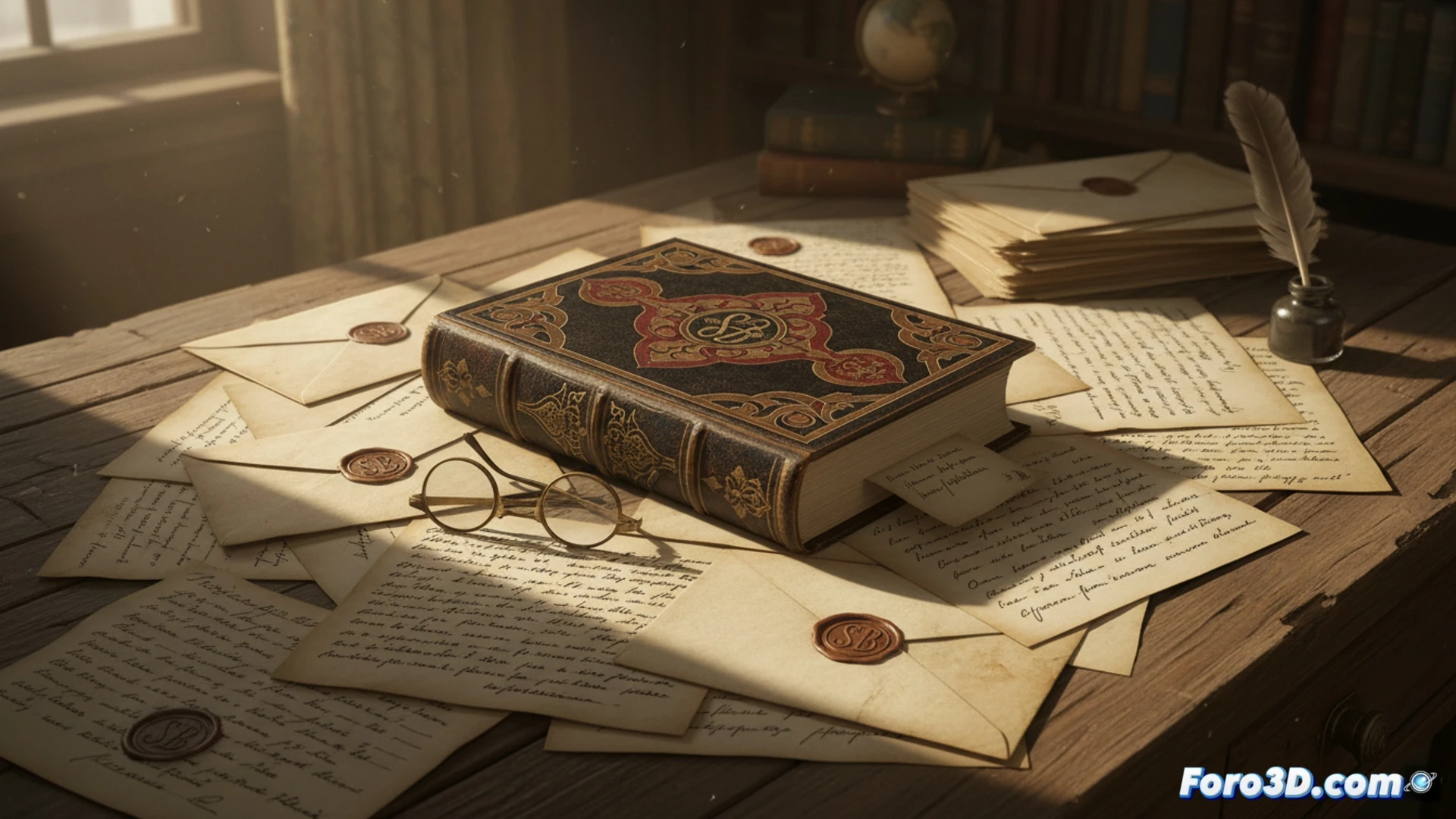
The recent publication of Simone de Beauvoir's correspondence is not just a literary event; it is a quarry of concepts for digital activist art. Her letters, loaded with debates on freedom, otherness, and oppression, offer a dense philosophical foundation. In the niche of digital art and activism, this material invites a spatial and sensory translation. How to model the gaze of the Other? How to make tangible the social construction of gender? 3D technology and immersive environments emerge as ideal tools for this task of visual re-interpretation of thought. 🎨
Digital Techniques for a Philosophical Legacy 🛠️
We propose several lines of technical action. One is narrative 3D modeling, creating digital sculptures that represent abstract concepts like woman as Other, using textures and deformations to symbolize objectification. Another line is immersive virtual reality experiences that place the user in key scenes described in her letters, forcing them to make existential decisions. Finally, generative art can visualize the flow of her correspondence, mapping intellectual and emotional networks with particles or dynamic systems, where each connection represents an idea that challenges patriarchal structures.
From Text to Sensory Experience 🌌
The ultimate goal transcends illustration. It is about using digital space not to decorate, but to provoke the reflection that Beauvoir championed. An interactive installation where the spectator's gesture modifies the virtual environment can teach more about situated freedom than a treatise. By translating her correspondence into a sensory language, we make her social critique dialogue directly with our corporeality, updating her struggle and demonstrating that digital activism is, above all, an exercise in deep political re-imagination.
How can 3D and digital artists use virtual materiality to represent Beauvoir's existentialist concepts, such as the Other or becoming a woman, and transform that philosophical reflection into an act of contemporary activism?
(P.S.: digital political art is like an NFT: everyone talks about it but no one really knows what it is)