Athletic Bilbao has launched Basquemotion, a company aimed at structuring and professionalizing the traditional sport of pala. This initiative seeks to provide a solid competitive framework and new opportunities for players. In this context, 3D technology emerges as a fundamental ally to analyze and enhance all aspects of the game, from individual technique to collective tactics, bringing this ancestral sport to the forefront of sports analysis.
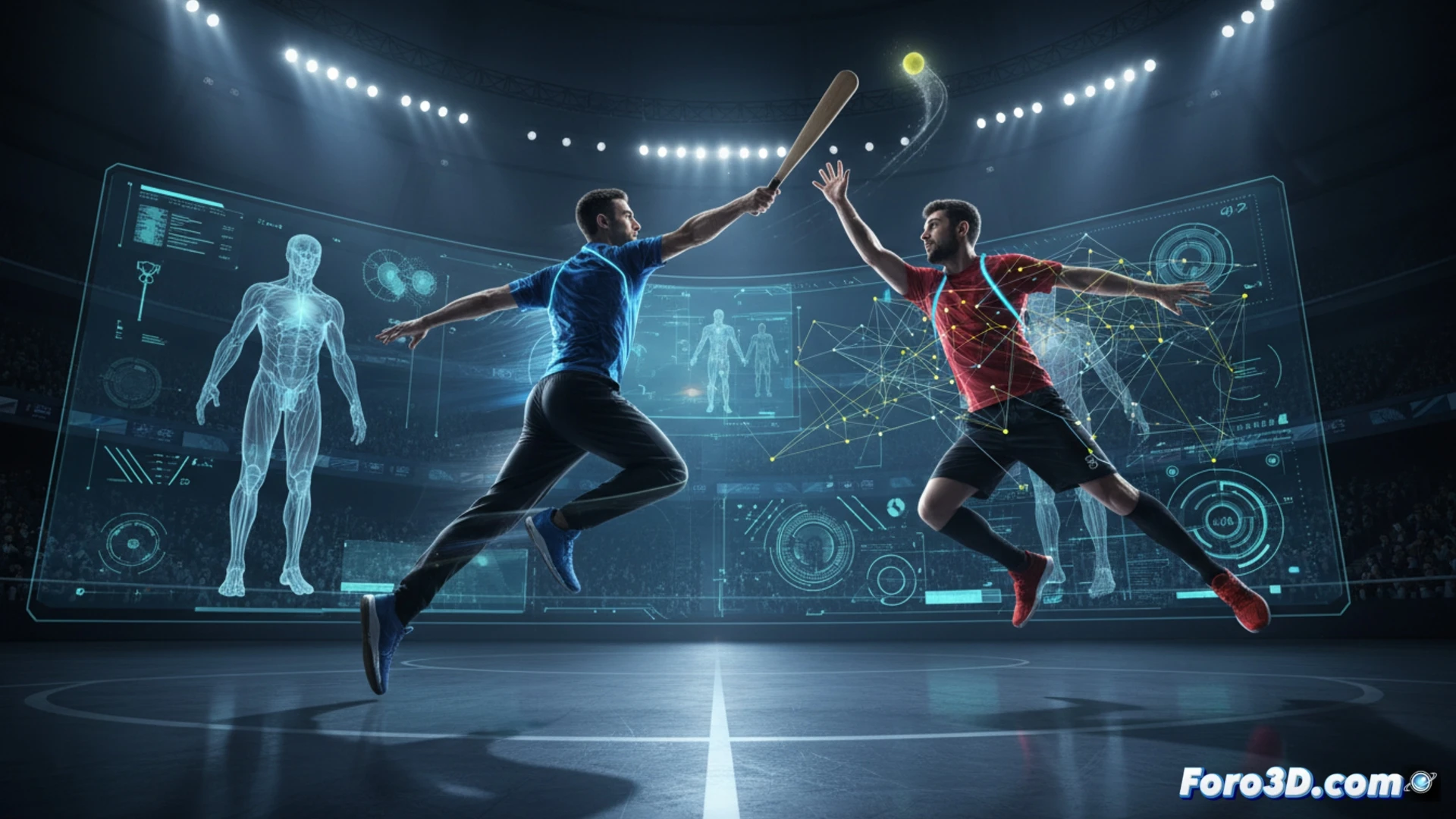
Biomechanical analysis and simulation: revolutionizing training 🤖
The application of 3D scanners and motion capture systems allows for precise biomechanical analysis of the striking technique, optimizing posture and preventing injuries. Additionally, the 3D reconstruction of complex plays or decisive points serves as a powerful tactical analysis tool for coaches and players. Through simulations, different game scenarios, ball speeds, or attack angles can be recreated, enabling mental and strategic training without needing to be on the court, which represents a qualitative leap in preparation.
Data visualization and interactive disclosure 📊
To structure a professional competition, it is key to visualize performance data. Interactive 3D graphics can display advanced statistics, play trajectories, and efficacy zones, enriching the experience for both technicians and fans. Parallelly, 3D models of facilities or explanatory animations of rules and plays can be the core of disclosure material, attracting new generations and giving pala a modern and innovative image in line with the Basquemotion project.
How is 3D scanning and printing technology transforming the design and manufacturing of Basque pelota palas to improve performance and personalize equipment?
(P.S.: reconstructing a goal in 3D is easy, the hard part is making it not look like it was scored with the leg of a Lego doll)