The recent interruption of the high-voltage submarine cable Fenno-Skan 2, which connects the electricity grids of Finland and Sweden, reactivates alarms about the security of critical infrastructures in the Baltic Sea. Although the operator Fingrid attributed the failure to a substation malfunction and quickly restored the service, the incident occurs in a rarefied geopolitical scenario, marked by previous damage to energy and communications cables. This event serves as a tangible reminder of the physical exposure of the interconnections that underpin the European energy supply chain.
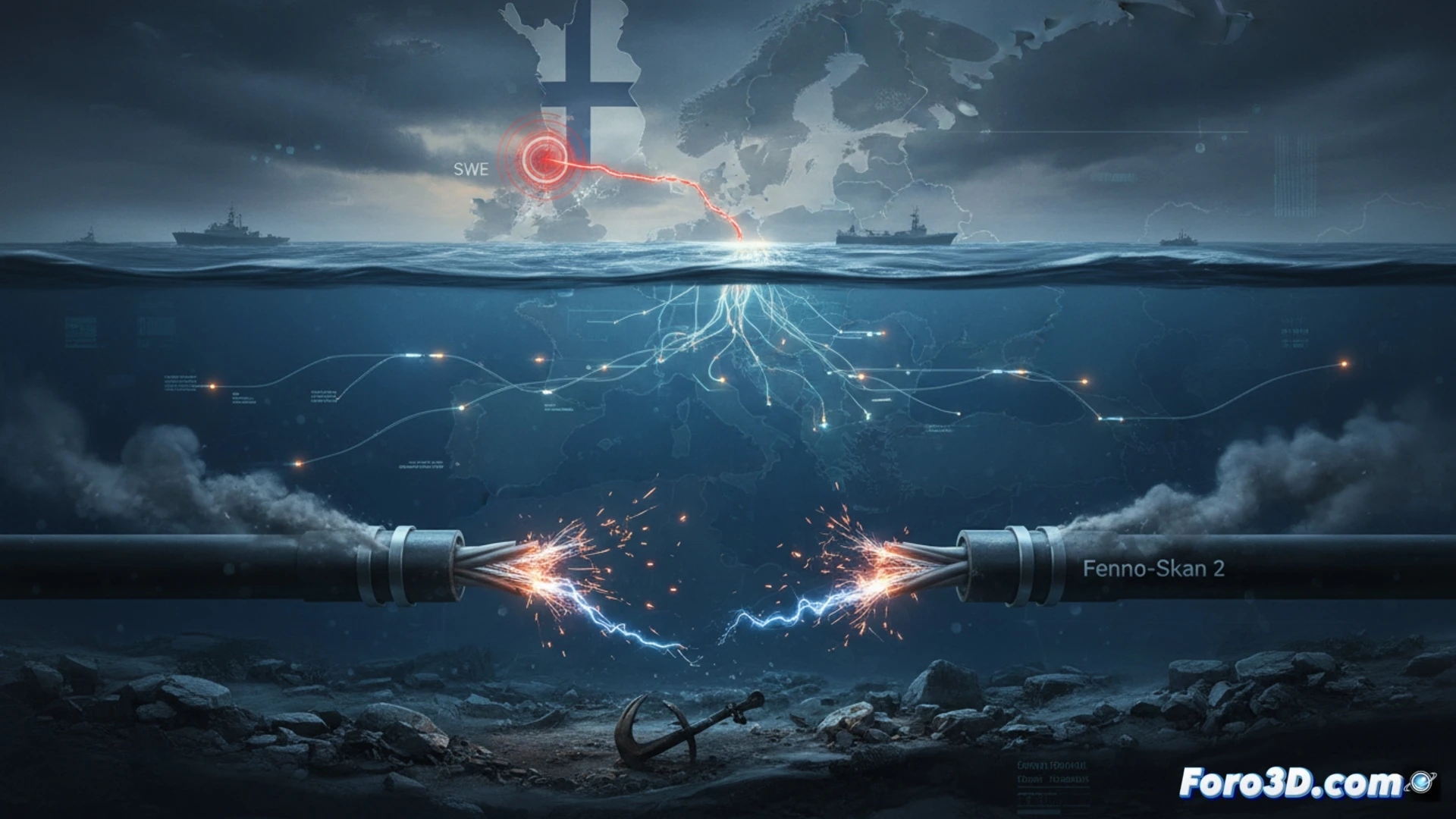
Visualizing the Network and its Critical Failure Point ⚡
To understand the strategic impact, it is key to visualize the network. A 3D model of the Baltic interconnections would show Fenno-Skan 2 as a vital link in a system that includes the damaged Balticconnector (Finland-Estonia) and Nord Stream cables. Energy flow diagrams could simulate how the interruption of this link redistributes the load in the Nordic network, stressing other nodes. The spatial representation of these infrastructures, overlaid with maritime traffic data—especially the Russian shadow fleet pointed out by the authorities—allows identifying high-risk corridors and exposure points where a local incident can trigger systemic effects.
Lessons for Strategic Resilience 🛡️
This case underscores that energy security is no longer just a matter of generation capacity, but of physical protection of assets distributed in spaces of diffuse sovereignty. Advanced technical visualizations cease to be planning tools to become instruments of intelligence and deterrence. Mapping dependencies, modeling cascading failure scenarios, and real-time monitoring of the environment of these infrastructures are indispensable steps. The arrest of suspects for the damage to the cable with Estonia indicates that the threat is tangible, making detailed cartography of vulnerabilities a priority for the resilience of the continental supply chain.
How does the interruption of the Fenno-Skan 2 cable expose the strategic vulnerability of critical interconnections in regions of geopolitical tension and what implications does it have for the security of European energy supply chains?
(PS: visualizing the global supply chain is like following a trail of breadcrumbs... in 3D)