On July 2nd, Avatar Legends: The Fighting Game will arrive, a title that seeks to bring the essence of the animated universe to competitive fights. Its announcement comes accompanied by significant technical and commercial decisions, such as the cancellation of the PlayStation 4 version and the confirmation of launch on Switch 2. With two editions and an annual content pass, the studio is betting on a service model. This approach, combined with hand-drawn 2D animation, raises interesting questions about the modern development of fighting games based on licenses.
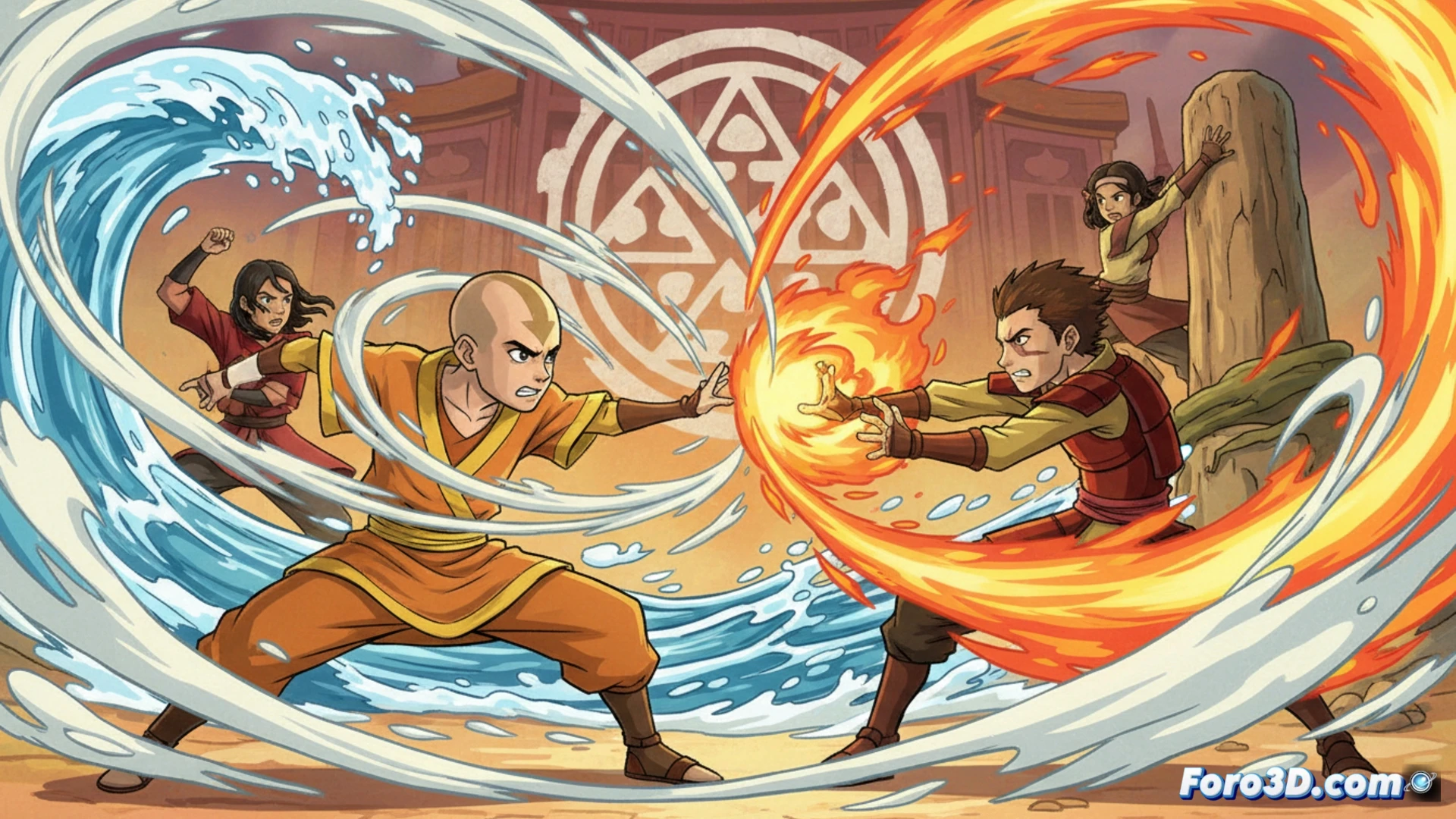
Technical Challenges: Traditional Animation, Netcode, and Cross-Platform 🎮
The choice of hand-drawn 2D animation is an artistic commitment that entails massive production challenges, especially for a fighting game that requires fluidity and visual clarity in every frame. Technically, the biggest challenge lies in robustly implementing rollback netcode and cross-play across five different platforms, including a console not yet released like the Switch 2. This decision demands an exceptionally refined network layer and state synchronization to ensure a fair competitive experience from day one, a critical aspect for the title's longevity in the fighting game sector.
Adapting a Narrative IP to the Fighting Genre ⚔️
Turning a series known for its narrative and character development into a competitive fighting game is a complex design exercise. The studio not only must create an accessible and deep combat system but also capture each character's identity in their moves and abilities. The inclusion of a narrative campaign suggests an attempt to satisfy IP fans, although its integration with the competitive core will be key. Success will depend on balancing fidelity to the original universe with the mechanical demands of such a technical genre.
What technical and design challenges does adapting the combat system based on elements and unique fighting styles from Avatar: The Last Airbender to a traditional fighting video game present while maintaining the essence and balance?
(P.S.: game jams are like weddings: everyone happy, no one sleeps, and you end up crying)