The Gulf region is experiencing a surge in attacks against energy infrastructures. The incident that triggered this phase was an attack attributed to Israel against South Pars, Iran's largest gas field. This move has generated a series of reprisals and counterattacks, increasing fears of an open escalation that could destabilize the hydrocarbon flow. The security of platforms and terminals is once again at the center of geopolitical uncertainty.⚠️
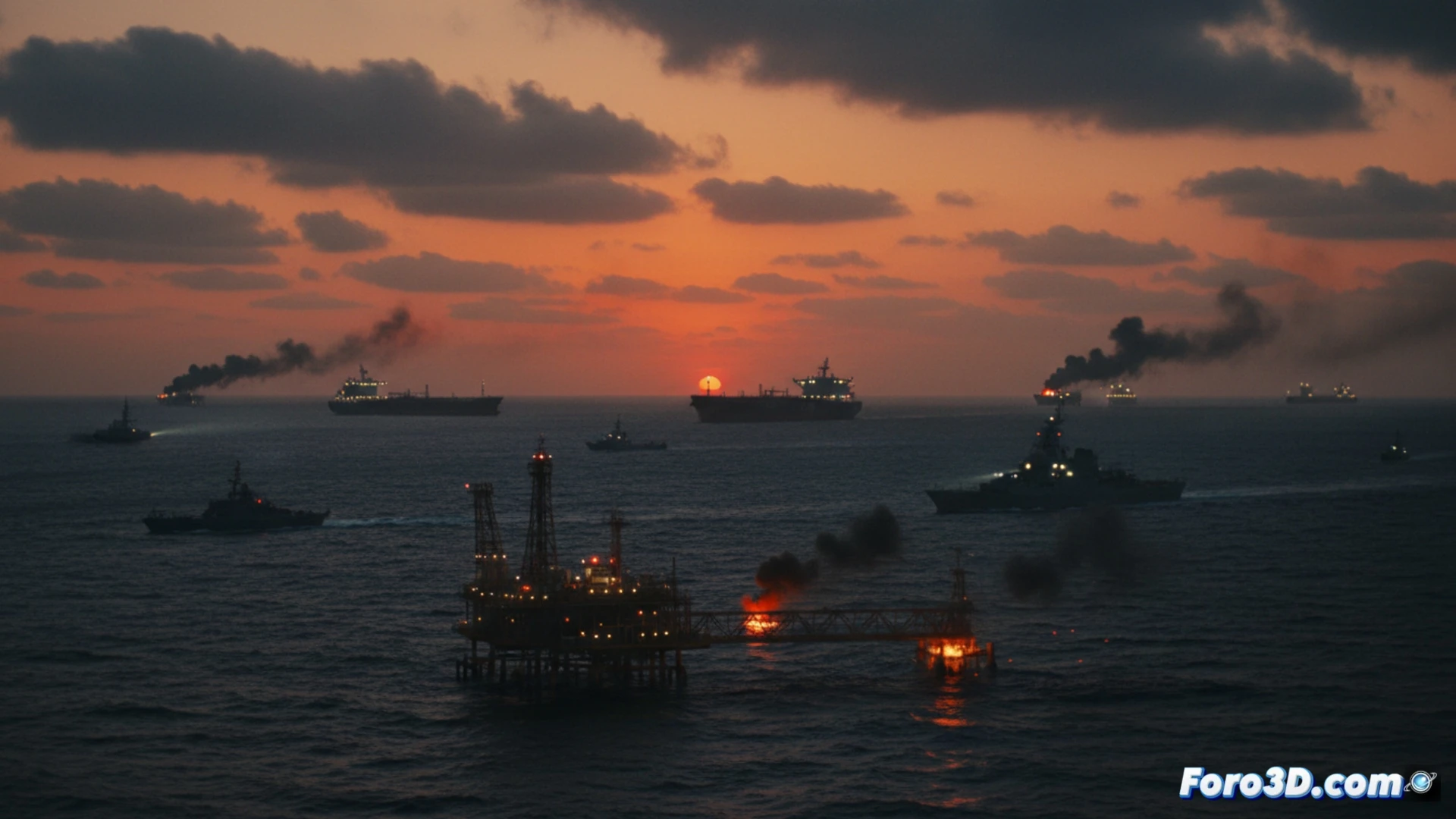
Critical infrastructures: digital and physical shielding under pressure🛡️
These events test the protection systems for critical assets. Modern facilities rely on layers of defense: physical barriers, radar and drone surveillance, and cybersecurity for SCADA systems that control production. A direct attack, however, exposes limits. The trend is to integrate IoT sensors for real-time monitoring and employ predictive analysis with AI to identify threat patterns, but final effectiveness is measured by immediate physical response.
The game of geopolitics: when your platform is the board🎯
It seems that energy facilities have become the favorite toy for sending messages between powers. It's as if, instead of diplomatic notes, they used pipelines and extraction towers for their correspondence. One almost expects to see a scoring system: Impact on main compressor: 10 geopolitical points. Flow disruption for one week: 20 points. Too bad that the high score is paid by all of us in the bill and in global stability.