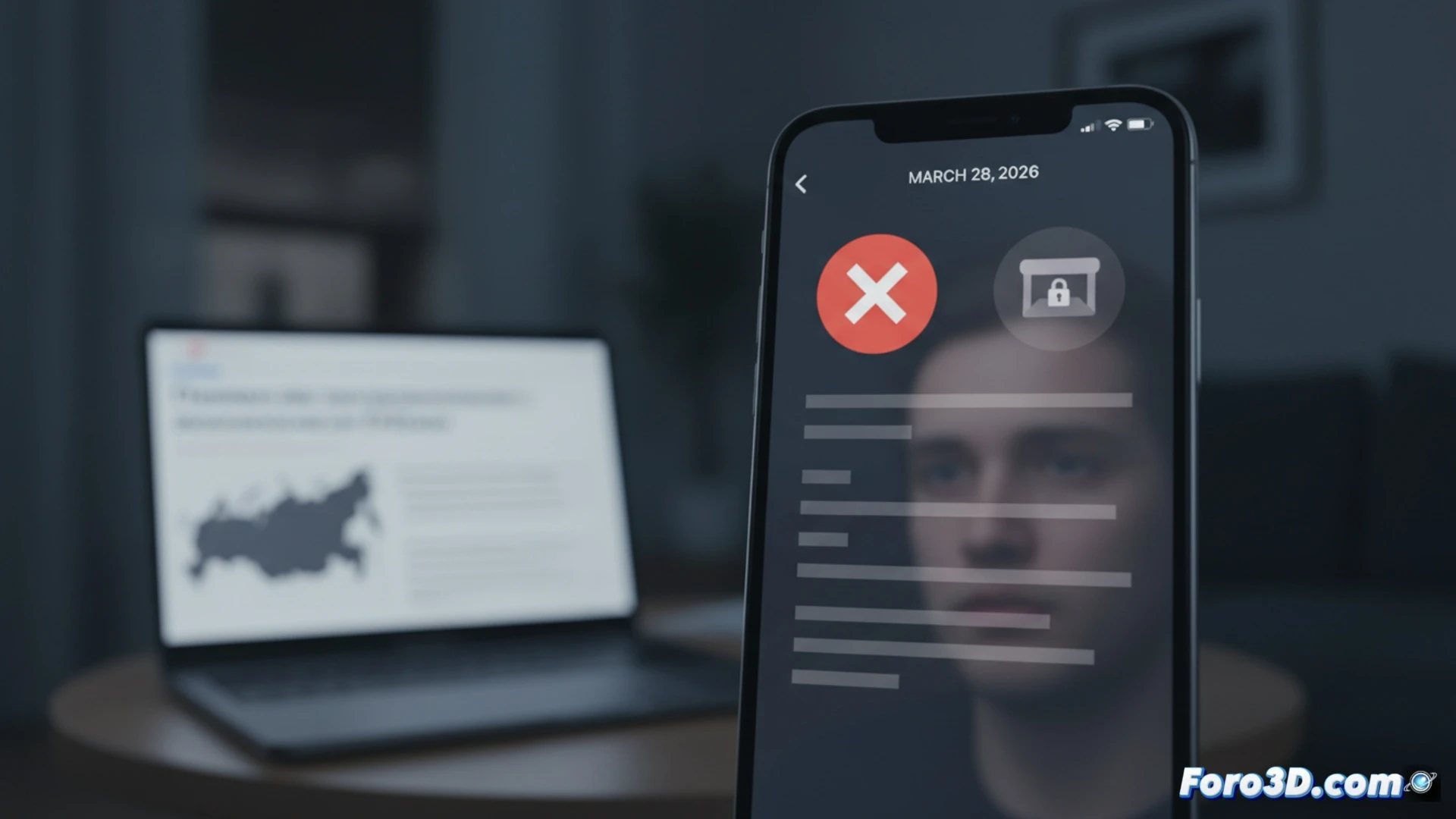
On March 28, 2026, Apple removed VPN applications such as Streisand and V2Box from its App Store in Russia, following a request from Roskomnadzor. The notification to developers cited illegal content according to local law, an action that replicates previous mass removals like those in 2024. This case exemplifies the growing regulatory pressure from states on global platforms, forcing giants like Apple to choose between regulatory compliance and users' access to privacy and censorship evasion tools.
Moderation Mechanisms and Automated Regulatory Compliance 🤖
This incident is not an isolated decision, but part of a standardized technical-legal workflow. Platforms like Apple operate with moderation systems that integrate formalized government requests. Upon receiving a legal notification from a sovereign state, the company evaluates its internal legal validity. If it complies with its own terms, it proceeds with geoblocking or specific removal in that jurisdiction. This process, although it seems bureaucratic, is highly automated. The persistence of the apps for users who already had them installed reveals the geographical and non-technical nature of the block, showing that the infrastructure allows for selective censorship by region.
The Ethical Dilemma of Big Tech as Global Gatekeepers ⚖️
Apple's action places the company at the center of a fundamental conflict. It acts as a gatekeeper, deciding which privacy tools are available according to the jurisdiction. Its priority is to maintain operations in key markets, which often involves complying with local laws, even if they contradict principles of net neutrality or digital rights. This case reinforces a dangerous precedent: state digital sovereignty can fragment the internet, while technology corporations, instead of governments, become the practical arbiters of access to information and privacy in digital society.
To what extent is state digital sovereignty redefining the universal concept of privacy and technological neutrality in the AI era?
(P.S.: trying to ban a nickname on the internet is like trying to cover the sun with a finger... but digital)