Kimi Antonelli secured the pole at the demanding Suzuka circuit, consolidating Mercedes' dominance. Meanwhile, the Spaniards Sainz and Alonso struggled, the latter eliminated in Q1. Behind these results lies invisible engineering and simulation work. F1 teams don't just compete on the asphalt, but in parallel virtual universes where thousandths are decided. 3D technology is the battlefield where the pole is won on Monday, before rolling out on Friday.
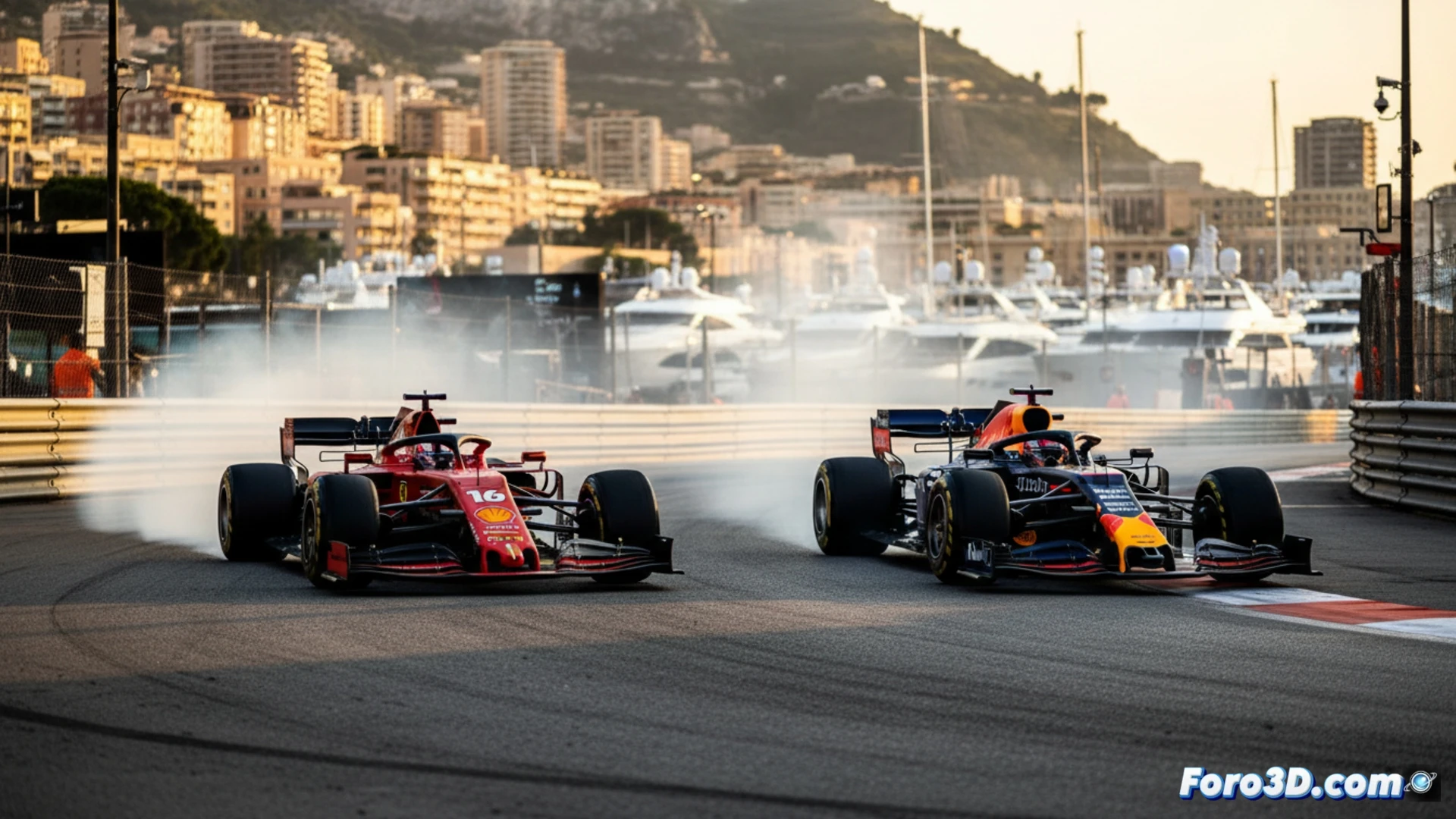
Digital twins and virtual aerodynamics: seeking the thousandth 🏁
Every circuit has its digital twin, a hyperrealistic 3D model used for simulations. Mercedes was able to analyze thousands of configurations for Suzuka, optimizing the W15's balance for the S of Esses curves and the fast 130R. For Alonso, these same models are used for diagnostics. By comparing the expected virtual behavior of the AMR24 with real data, performance issues can be isolated, whether aerodynamic, suspension, or ground interaction. Antonelli's pole lap is the perfect materialization of a simulation.
3D data: the ultimate weapon for strategy 📊
Qualifying sets the grid, but the race is won with tactics. Real-time 3D models, fed by telemetry, allow predicting tire wear and simulating traffic situations. Mercedes' advantage offers them more strategic options. For Aston Martin, the 3D data will be crucial to plot an almost impossible comeback from the back, calculating the optimal moments for the pitstop. In modern F1, the podium is first designed on screen.
How did the 3D simulation and virtual modeling of the Suzuka circuit influence the setup of the car that gave Kimi Antonelli the pole position?
(P.S.: VAR in 3D: now with replays from angles that didn't even exist) 🔍