The artificial intelligence company Anthropic has filed a lawsuit against the U.S. Department of Defense. The conflict erupts after being designated as a supply chain risk, a severe label usually applied to foreign suppliers under suspicion. Anthropic claims that the measure is retaliation for its public stance that establishes ethical limits on the military use of its technology, rejecting applications such as mass surveillance or autonomous weapons. This case transcends the legal realm to pose a crucial battle over values in the AI era.⚖️
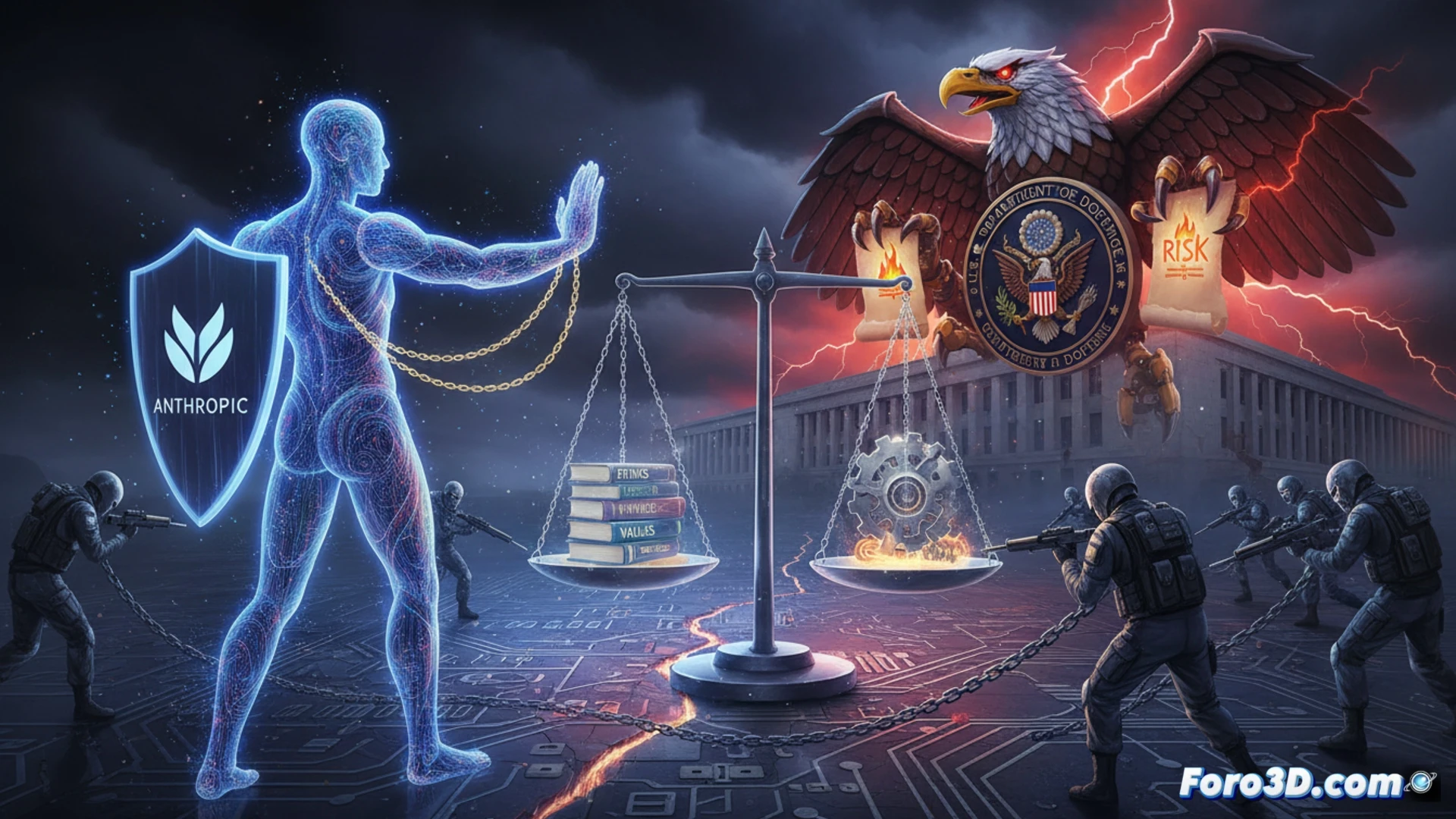
The operational and reputational cost of an ethical stance💸
The risk rating, attributed to orders from the Trump administration, carries tangible consequences beyond the philosophical debate. It seeks to directly erode Anthropic's economic and operational value, generating systemic institutional distrust. The label can bar the company from key public contracts and requires federal agencies to stop using its technology within six months. This turns ethical principles into a high-risk asset, showing how government pressure can use national security mechanisms to penalize dissenting corporate stances. The message to the sector is clear: self-regulation with strict limits can have a prohibitive price in terms of market access.
A precedent for technological dissent⚠️
This confrontation sets an alarming precedent for the technology industry. If a U.S. company with ethical stances can be equated to a national security threat, the space for responsible dissent shrinks dramatically. Anthropic's legal battle tests the tension between private innovation, self-imposed ethics, and geopolitical and military interests. The outcome will define whether AI companies can maintain usage restrictions without suffering reprisals that compromise their viability, or if the development of this critical technology will inevitably be subordinated to state power priorities without significant private counterweights.
To what extent can an AI company condition the ethical use of its technology against national security interests?
(P.S.: moderating an internet community is like herding cats... with keyboards and no sleep)