Two recent genetic studies have analyzed over 200 ancient bone samples, establishing that dog domestication in Europe occurred at least 14,200 years ago. This pushes back the confirmed date of genetic separation between wolves and dogs by more than three millennia. The findings show distinct and stable canine populations spread across Europe and southwestern Asia. The oldest specimen, found in Switzerland, already shared lineage with other Paleolithic dogs.
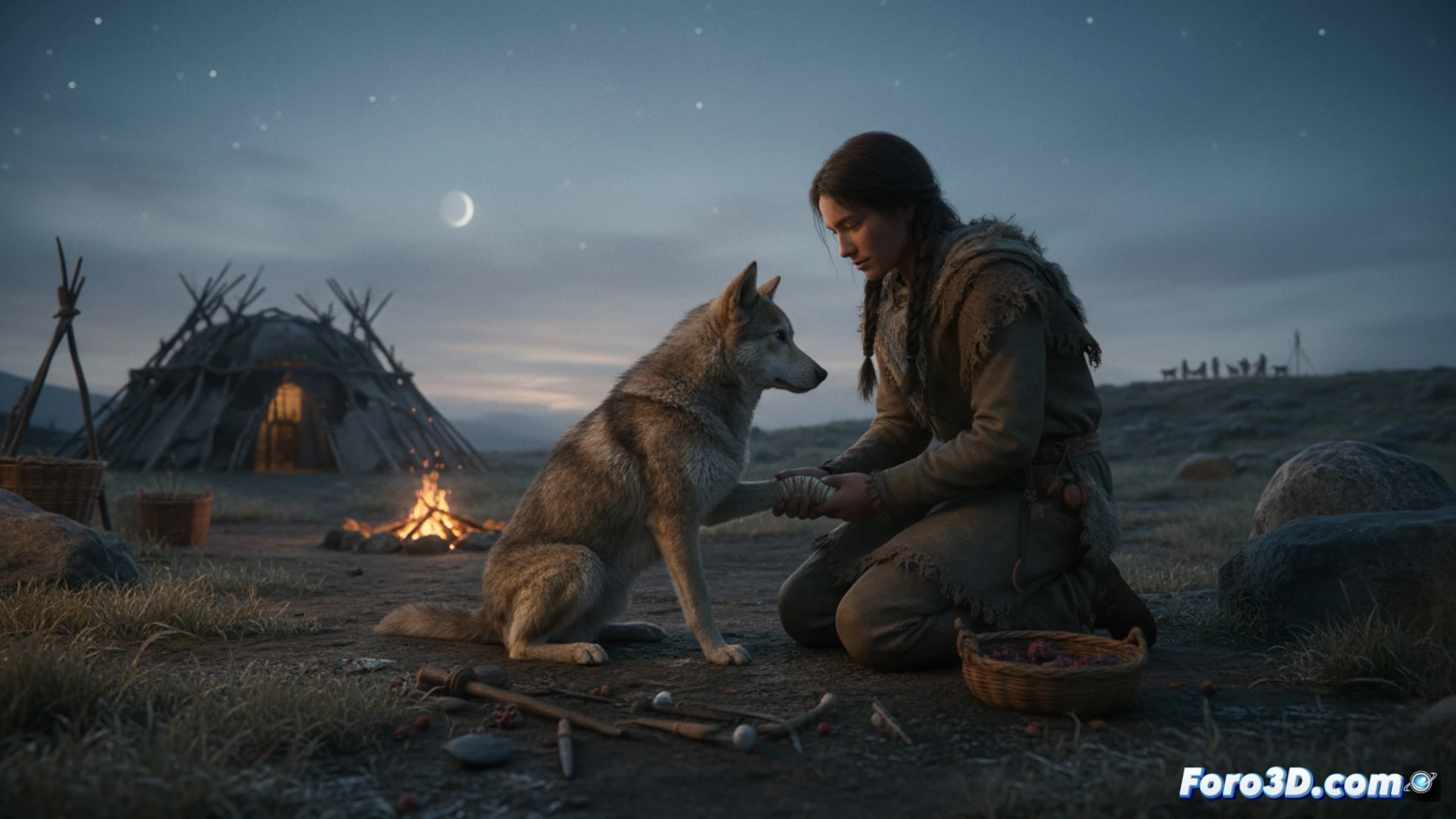
Photogrammetry as a bridge between genetics and outreach 🧬
Paleogenetics tells us the when and how, but this is where digital archaeology unleashes its potential. High-resolution photogrammetry of the analyzed bone remains, such as the 14,200-year-old Swiss dog skull, would allow the creation of precise and accessible 3D models. These models facilitate comparative morphology studies without risk to the originals. Beyond that, a virtual reconstruction based on evidence from the Paleolithic environment and contemporary human settlements could visualize possible coexistence, offering an immersive understanding of this milestone in our shared history.
Modeling the past to understand a living legacy 🐕
The combination of ancient DNA and 3D technologies is not just technical, it is narrative. It transforms complex data into tangible stories. An interactive model of the complete skeleton of that first European dog, contextualized in its habitat, communicates research powerfully. This digital approach preserves and democratizes heritage, reminding us that modern dogs are the result of more than fifteen thousand years of a unique alliance, shaped by migrations, crossings, and human care.
How can the 3D reconstruction of ancient canine skulls, combined with genomic data, transform our understanding of dog domestication and initial diversification in prehistoric Europe?
(P.S.: If you dig at a site and find a USB, don't plug it in: it might be Roman malware.)