My Time at Sandrock integrates a romantic relationships subsystem with 21 characters, an optional component that transcends mere anecdote to influence the player's economy and progression. This technical analysis focuses on how the architecture of this system, through exclusive quests and playable benefits, seeks to retain the user and add layers of depth to the core construction and restoration experience, examining its implementation from the game design perspective. 🎮
Integration of social mechanics and game economy 💰
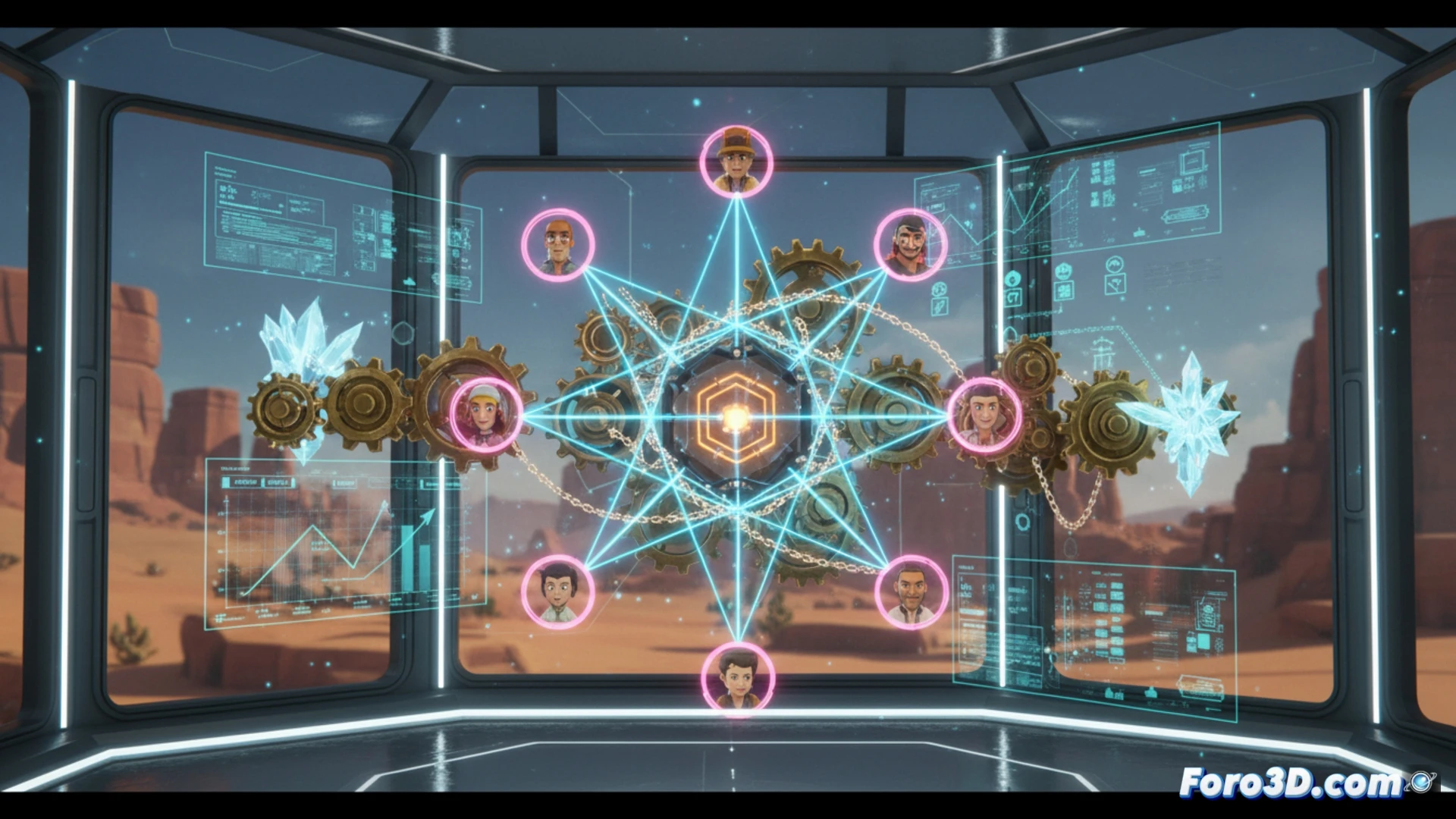
The effectiveness of the system is measured by its cohesion with the main loop. Characters are not mere targets, but nodes that unlock content and advantages, such as discounts or resources, incentivizing social investment. However, the design presents deliberate asymmetries. Characters like Pen or Miguel, with complex arcs or restrictions, function as high risk/narrative reward experiments, while others offer more immediate utility. Writing and gift availability act as progression barriers, regulating access to benefits and creating a variable commitment curve that segments the player experience according to their choices.
The value of optionality in engagement ❤️
The completely optional nature of courtship is a design success, allowing the system to serve both players seeking optimization and those immersed in the narrative. This duality turns the subsystem into a multiplier of replayability and community discussion, where the quality of a candidate is judged by its mechanical integration and thematic coherence, not just superficial traits, reinforcing the post-apocalyptic identity and the game's attention economy.
How does the design of social systems in My Time at Sandrock balance the narrative depth of its multiple optional romantic lines with core gameplay without compromising the coherence of the open world?
(P.S.: optimizing for mobile is like trying to fit an elephant into a Mini Cooper)