The release of Among Us 3D: VR Definitive Edition has been postponed until April, a month after its original March date. The main reason is not a minor technical issue, but a profound structural change: Innersloth, the original creator of the franchise, has decided to end its collaboration with the external studio Robot Teddy and take full control of the project. This move, uncommon just weeks before the planned launch, underscores the decision to prioritize quality and creative vision over initial commercial deadlines.
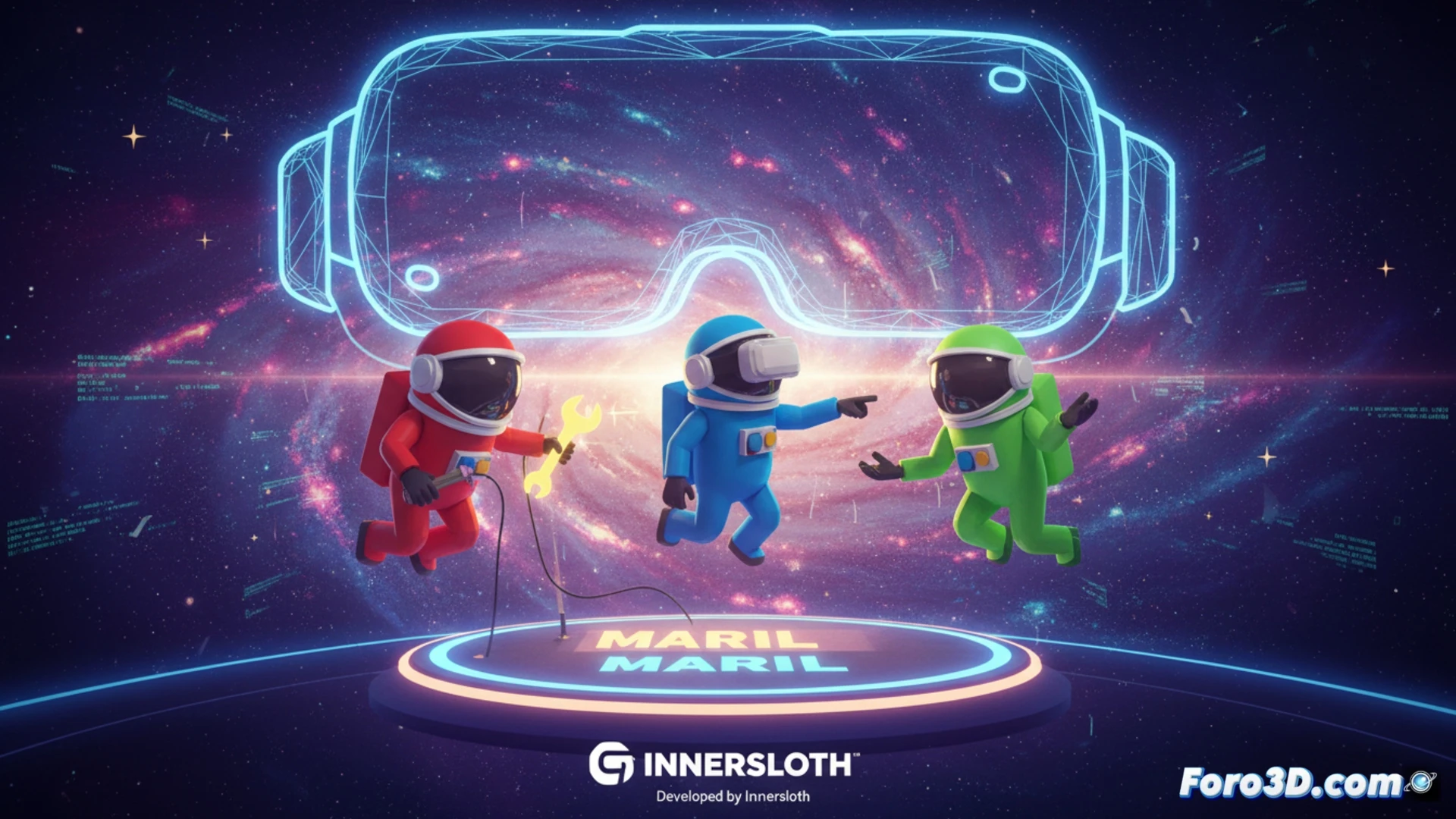
The Technical and Management Challenge in VR Adaptations 🎮
Adapting a 2D social game like Among Us to a 3D virtual reality environment is a monumental challenge that goes beyond mere graphical conversion. The essence of the game lies in non-verbal communication, spatial proximity, and reading behaviors in a flat environment. In VR, these pillars must be completely redesigned, requiring physical interaction mechanics, 3D avatar management, and a new layer of immersion that does not break the balance of deception and deduction. The developer change midway through the project suggests that the execution of these elements did not align with Innersloth's vision, a common risk when outsourcing projects that depend on a very specific and delicate game identity.
Lessons on Creative Control and Communication 💡
This case offers crucial lessons for independent studios. First, outsourcing a complex adaptation, especially to a medium like VR, carries a high risk of creative misalignment, even with talented collaborators. Second, taking control and announcing a delay, although harmful in the short term for expectations, is an investment in the long-term integrity of the franchise and the relationship with the community. Transparency about the reason for the delay, focused on quality, is a more sustainable communication strategy than launching a product that does not meet the creator studio's standards.
What specific development challenges does the transition from a 2D multiplayer social game to an immersive virtual reality experience face?
(P.S.: game jams are like weddings: everyone happy, no one sleeps, and you end up crying)