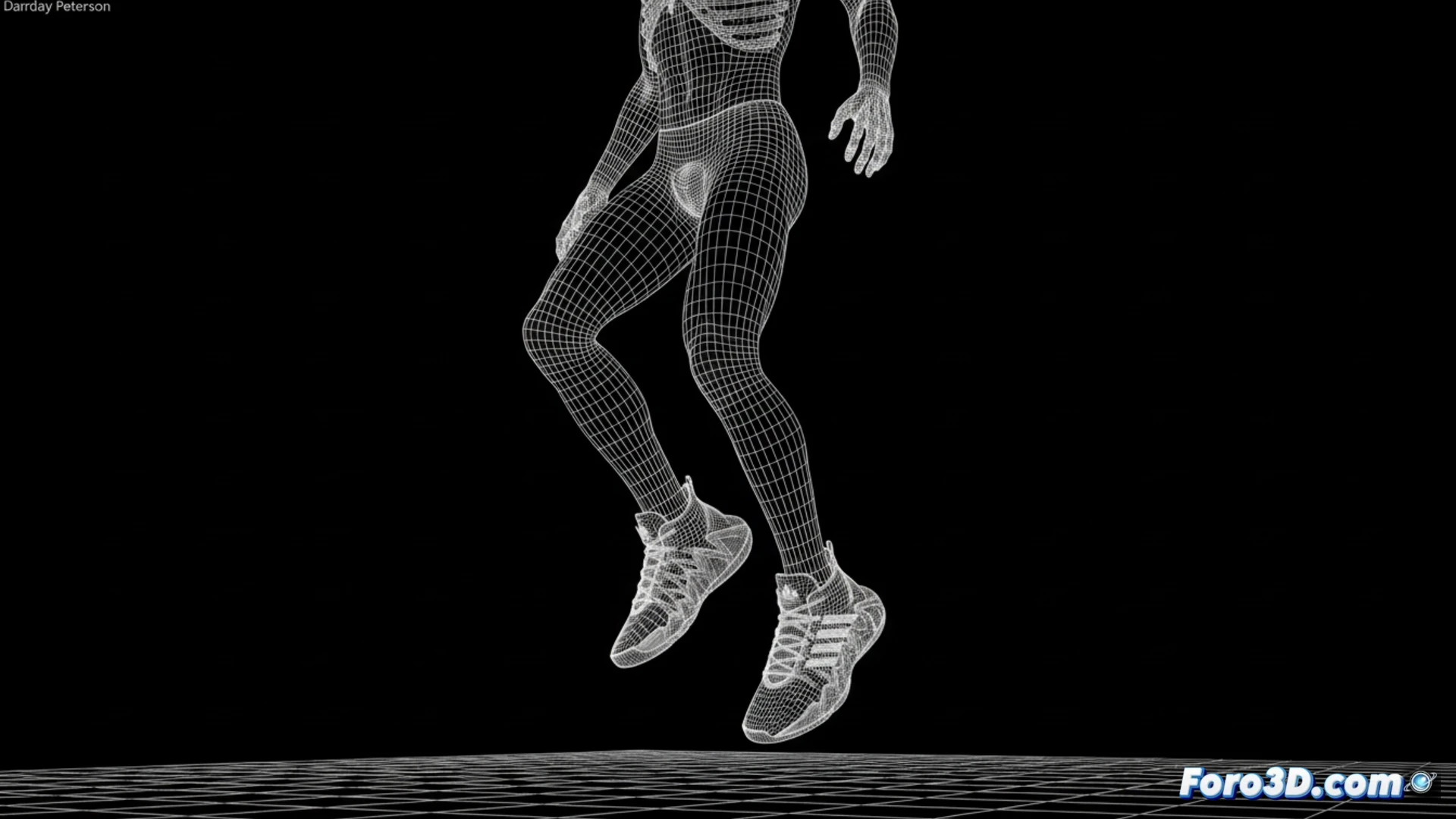
Adidas takes a technological leap in basketball with the debut of a 3D-printed sneaker, showcased by prospect Darryn Peterson. Under the R.A.P. project, the brand aims to offer completely personalized fit and performance, overcoming the limitations of traditional manufacturing. Presented at the Portland Pro Day, this unnamed innovation extends Adidas's experience in additive manufacturing to the sport of basketball, with a public launch scheduled before the end of 2026.
From the outsole to mass customization: the technological leap 🚀
The key to this model lies in how 3D printing enables true mass customization. Unlike traditional manufacturing, which relies on standard molds and limited adjustments, additive manufacturing can adapt the midsole structure, containment, and even flexibility to the specific biomechanical data of each athlete. This is not just about comfort, but about optimizing energy transfer, stability in lateral movements, and reactive cushioning, critical factors in a basketball player's performance. Adidas thus transfers its running know-how to a sport with very different dynamic demands.
The future of equipment: on-demand manufacturing? 🔮
This advance points to a future where elite and consumer sports equipment could be manufactured on demand, with unique specifications. 3D printing democratizes the possibility of having high-performance footwear adapted to our anatomy and mechanics, not the other way around. The challenge will be to scale this technology to make it viable beyond the professional realm, a step that Adidas is already exploring and that could completely redefine our relationship with sports footwear.
To what extent can 3D printing in sports footwear customize not only the fit, but also the player's biomechanical performance?
(P.S.: VAR in 3D: now with replays from angles that didn't even exist)