Between April and May 2024, a meteorite impact dug a 225-meter crater on the Moon. Detected by NASA's LRO probe, this event, which statistically occurs once every 139 years, underscores a real threat. The analysis of its images is the first step to using 3D technologies for a critical purpose: simulating these natural disasters and designing habitats that protect astronauts from high-speed debris.
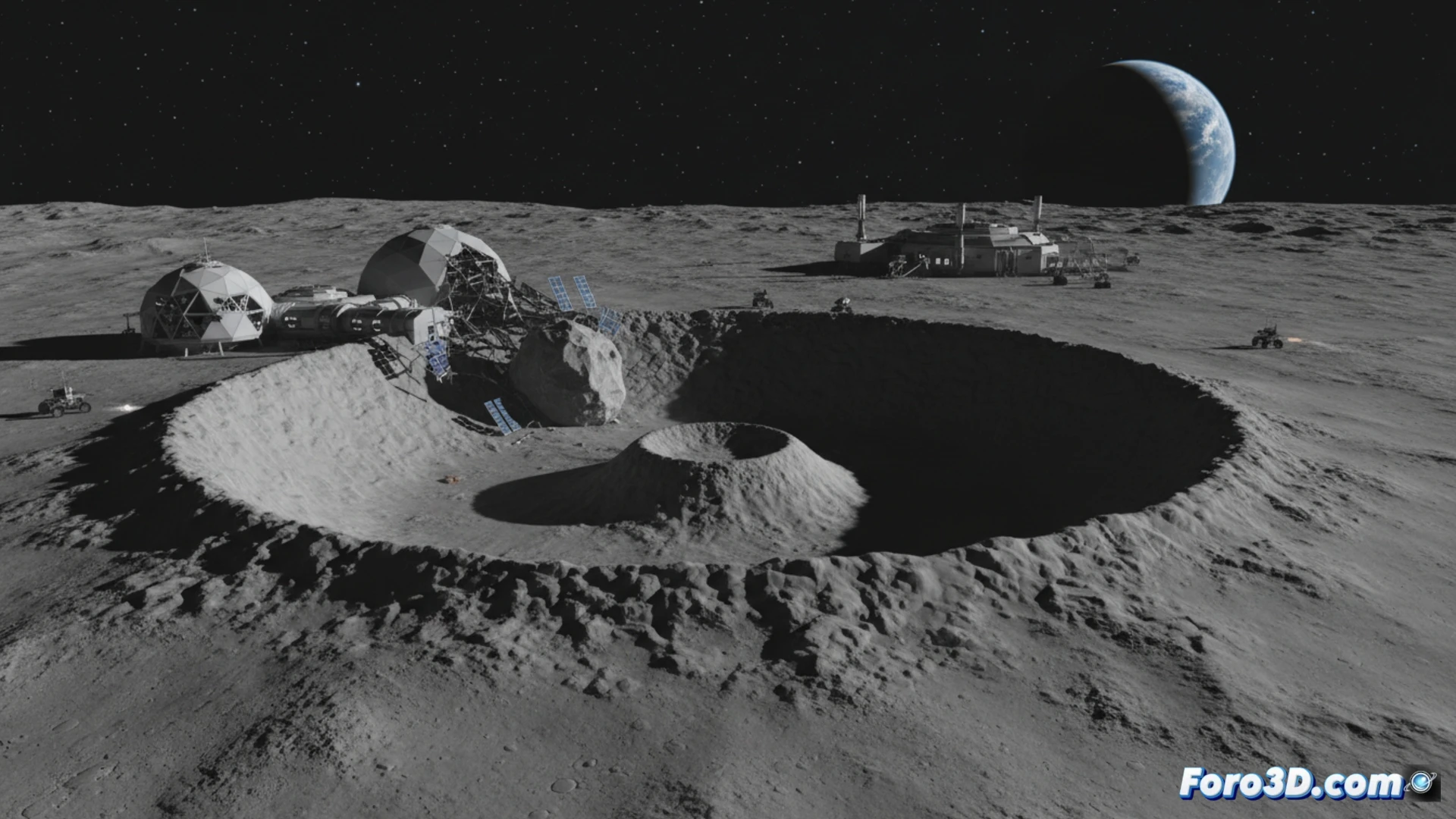
3D Modeling of the Impact: Key to Understanding the Catastrophe 🚀
True understanding of the event goes beyond photography. LRO's topographic data allows generating high-precision 3D digital terrain models. By reconstructing the crater and its extensive ejecta blanket, scientists can simulate the impact dynamics in 3D: the angle, energy, and distribution of expelled materials. This simulation is crucial because it reveals that the lunar subsurface is not uniform, something that directly affects the propagation of the shock wave and debris. Without these 3D visualization and analysis tools, it would be impossible to quantify the true extent of the devastation.
Simulate to Survive: 3D in Mission Planning 🛡️
The ultimate goal is not just to document, but to prevent. The 3D models derived from this crater become the basis for advanced risk simulations. We can virtually test how structures and spacesuits would withstand a similar event. Thus, 3D visualization becomes a vital engineering tool for designing resilient lunar bases, buried or with appropriate shields, ensuring that human exploration advances with planning grounded in the analysis of past catastrophes.
How can we protect future lunar bases from meteorite impacts like the 225-meter crater detected in 2024?
(P.S.: Simulating catastrophes is fun until the computer melts down and you are the catastrophe.)