The Xunta de Galicia streamlines procedures to replace pines affected by brown band, a devastating fungal plague. This phytosanitary crisis and the transition to other species like eucalyptus represent a complex challenge. Scientific visualization emerges as a fundamental tool to analyze, simulate, and communicate this process, transforming ecological data into comprehensible models that facilitate management and informed decision-making.
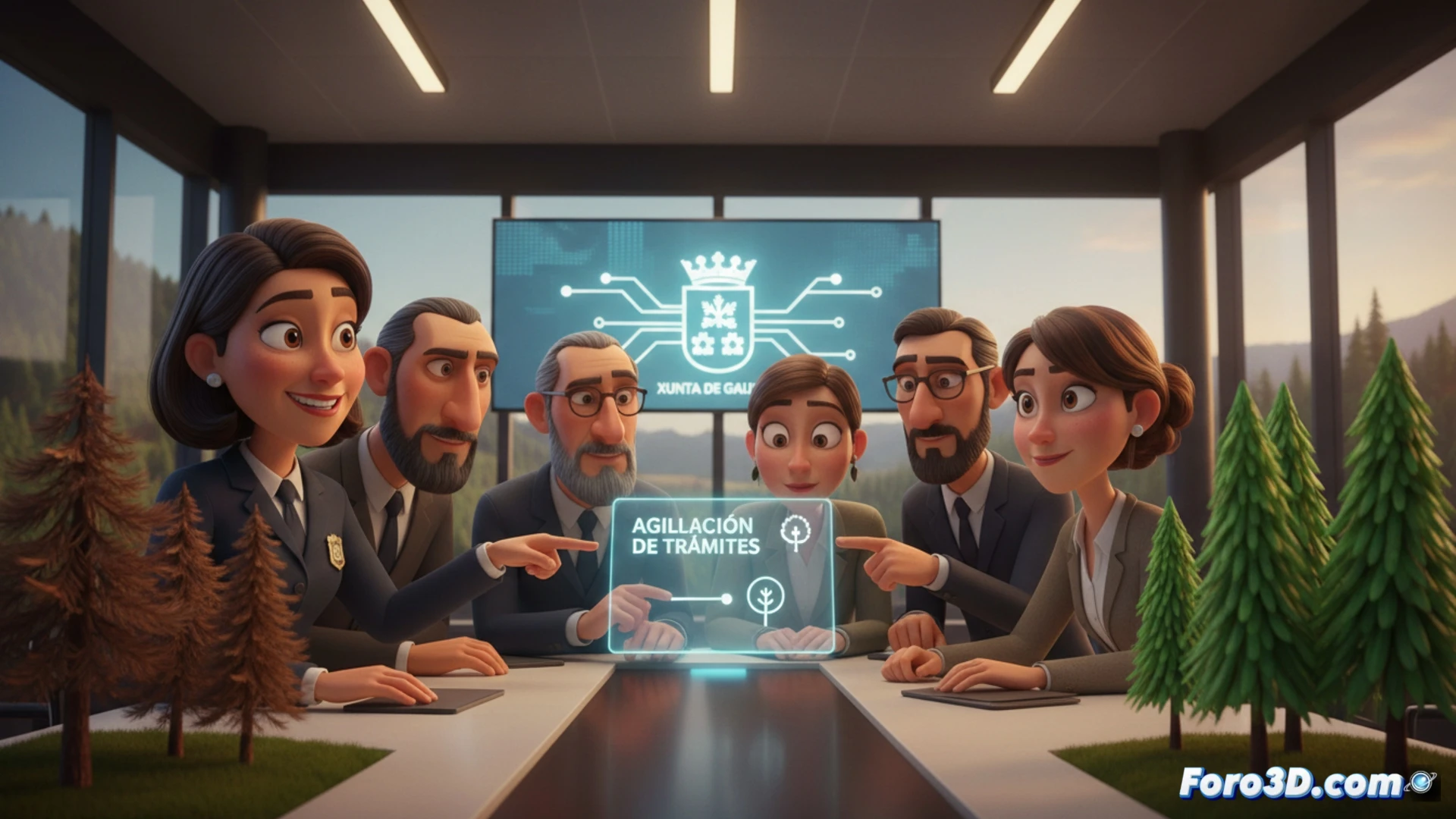
3D Modeling and Plague Simulation: From Spore to Landscape 🌲
3D technology allows creating precise models of the causative fungus and visualizing its infection cycle in plant tissue. Using LIDAR scanners and photogrammetry, affected forest masses can be digitized to quantify damage. These tools, combined with geographic information systems, enable the generation of dynamic 3D epidemiological maps that show the plague's spread in near real-time. Additionally, future scenarios can be simulated, visually evaluating the impact of replacement with eucalyptus on the ecosystem, biodiversity, and hydrological cycle, providing a crucial layer of analysis beyond tabular data.
Beyond Management: Awareness through Virtual Reality 🥽
Visualization transcends the mere technical tool to become a bridge for outreach. Immersive virtual reality experiences could allow citizens and owners to immerse themselves in a sick forest and understand the magnitude of the problem. These visual narratives are powerful for generating social awareness about the health of our mountains and the complexity of forest management decisions, fostering informed dialogue between administration, scientists, and society.
Is it worth creating a complete underwater environment or are the specimens enough?