The recent municipal elections in France offered a complex political map. Although the far right maintains its weight in national polls, its local advance was halted by the tactic of the republican front, where other parties unite to block it. These results, with historically low turnout, show a fragmented electorate and variable rooting of traditional parties. Understanding this multidirectional electoral geography is a perfect challenge for 3D data visualization tools.
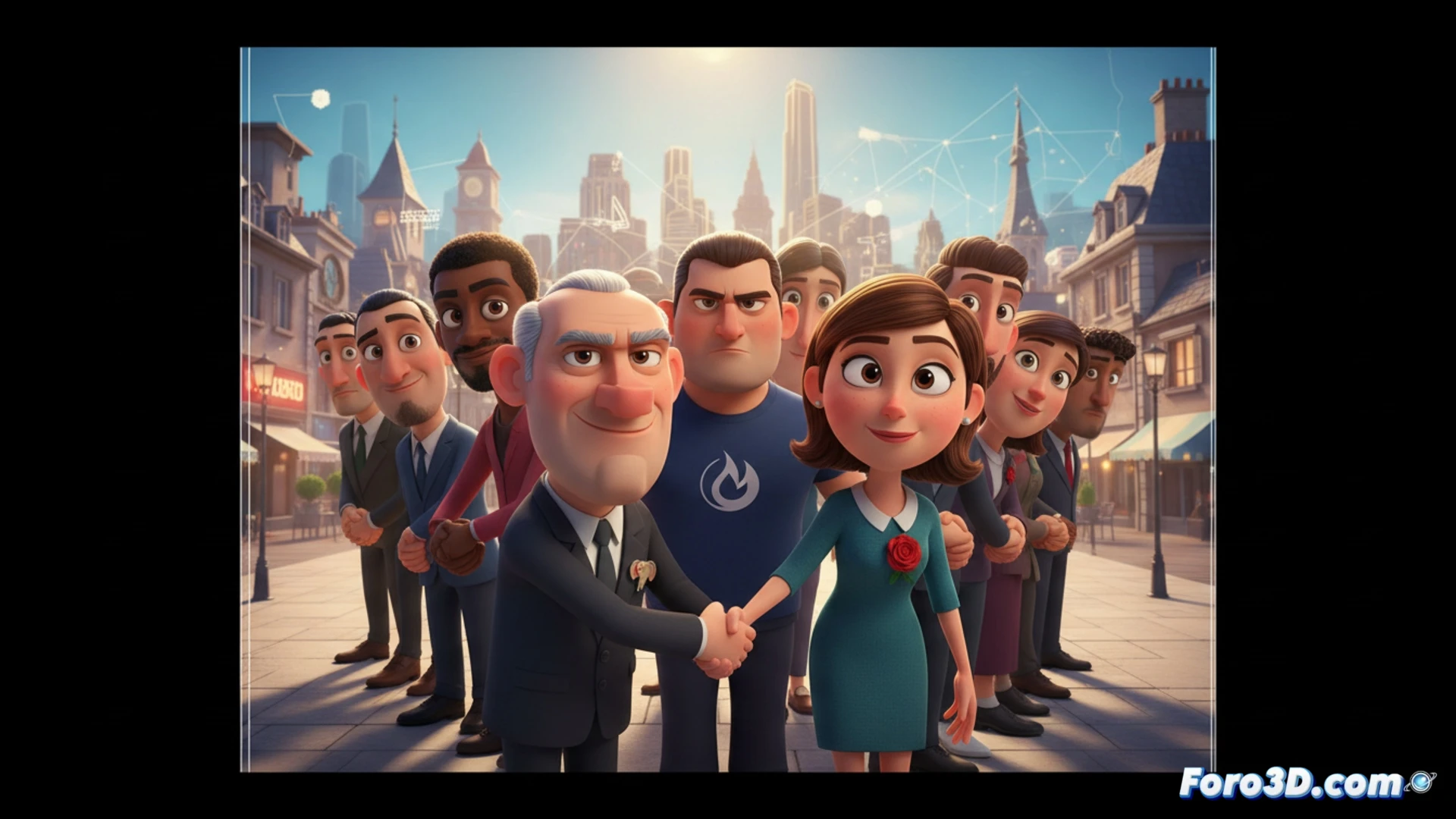
Interactive 3D modeling to break down electoral geography 🗺️
An interactive 3D model of French territory would allow transforming these complex data into clear information. Imagine a map where each municipality rises as a column, whose height represents turnout and its color the strength of the winning party. Layers could be activated to visualize the republican front effect, showing tactical coalitions between districts with lines or flows. Tools like Blender, with real-time render engines, or JavaScript libraries like Three.js, can create these interactive web visualizations, allowing the user to isolate variables, compare regions, and understand patterns that a data table would never reveal.
From municipal to national: simulations for 2027 🔮
The true power of these models lies in their prospective capacity. Starting from municipal data, simulations for the 2027 presidential elections can be created. By adjusting parameters such as voter mobilization or the strength of the republican front in the second round, different scenarios would be generated on a dynamic 3D map. This approach does not predict the future, but it does illustrate in a tangible way how small variations in electoral behavior can radically alter the final result, promoting more accessible and grounded political disclosure.
How can 3D visualization of electoral data help understand the spatial dynamics and the effectiveness of the republican front in French elections?
(P.S.: 3D electoral panels are like promises: they look very nice but they have to be seen in action)