The recent warning about the constituent nature of the upcoming general elections underscores the complexity of the political moment. At Foro3D, we propose using 3D visualization and simulation tools to break down this process. Modeling the architecture of the State, simulating post-election scenarios, and creating interactive narratives can transform the abstract understanding of the constitutional crisis into a tangible and accessible analytical experience for all citizens.
Technical Tools for a Visual Democracy 🛠️
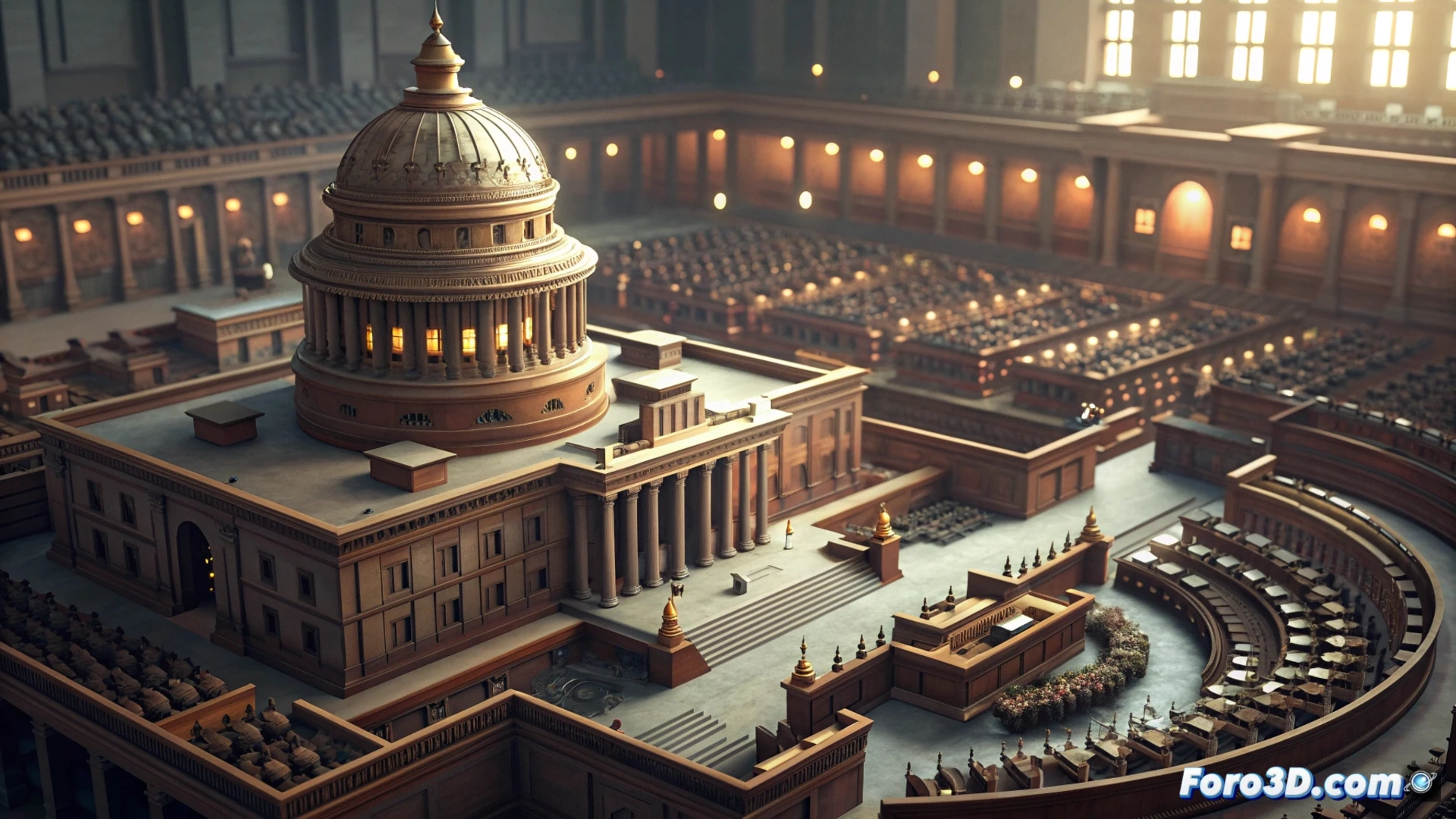
3D technology allows building dynamic models of the constitutional system, where each power (executive, legislative, judicial) and its relationship with the Crown are interactive blocks. Through temporal infographics, the historical evolution of the Constitution can be visualized and future changes projected based on electoral results. Real-time data simulations could map correlations between political speeches, such as those mentioned on foreign policy, and citizen perception, offering a deep layer of analysis beyond traditional data.
Towards Informed and Immersive Participation 🕶️
The ultimate goal is to foster more informed participation. Immersive experiences in 3D environments can explain complex concepts like a constitutional reform or the role of the monarchy in a parliamentary system, making politics less opaque. By converting abstract debate into explorable visual structures, we empower citizens to better understand the real stakes of elections that could indeed define the historical future of the country.
How can interactive 3D visualization help citizens understand the constitutional architecture and the constituent process activated after general elections?
(PS: simulating a vote count in 3D is more reliable than the real one, but less exciting)