The recent stranding of a humpback whale in the German Baltic underscores the complexity of these events. Beyond on-site human efforts, 3D technology offers key tools for science and conservation. Scientific visualization enables the creation of precise anatomical models, simulation of rescue scenarios, and digital documentation of the environment and the animal's condition, transforming a crisis into valuable data for future interventions.
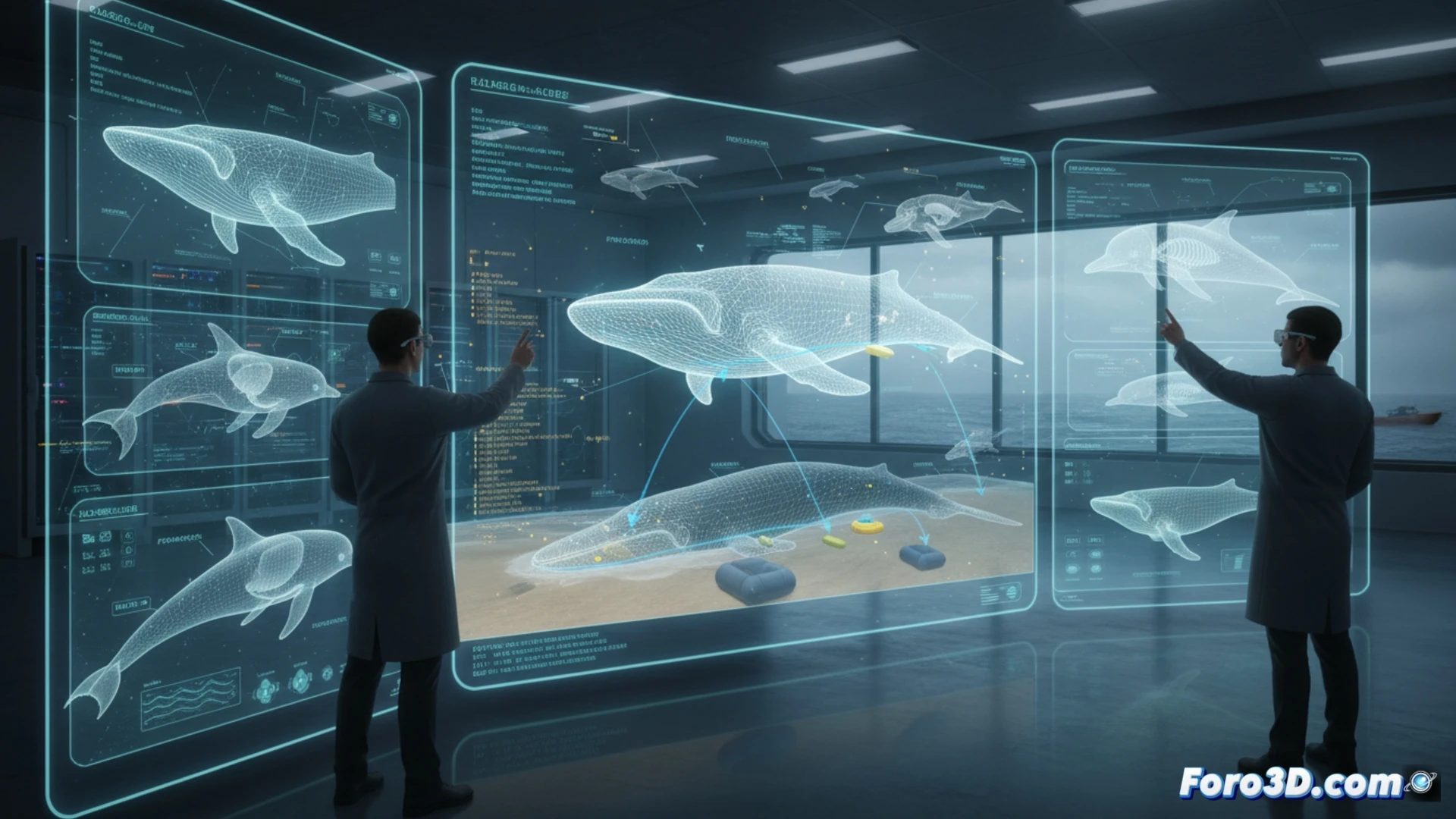
Modeling and simulation: digital tools for intervention 🛠️
A precise 3D model of the cetacean, created from drone photogrammetry or scanners, would be invaluable. It would allow veterinarians to visually assess its physical condition and possible net entanglement in a non-invasive way. Additionally, a simulation of the coastal environment with bathymetric and current data would help understand the causes of the stranding and plan the optimal release route. These models can later be used to train rescue teams in virtual environments, testing strategies without risk to the animal.
From emergency to education: a digital legacy 📚
The 3D documentation of the event has enduring value. An interactive model of the animal and its context serves as a powerful educational tool to raise awareness about marine threats. For researchers, it constitutes an exact scientific record that can be analyzed over time, seeking patterns in strandings. Thus, visualization turns a tragic case into a resource to prevent future incidents and promote conservation through knowledge.
How can 3D photogrammetry and laser scanning improve accuracy in diagnosing causes of death and collecting scientific data in large stranded cetaceans?
(P.S.: modeling manta rays is easy, the hard part is making them not look like plastic bags floating)