The Government of Navarre has allocated 140,000 euros in grants to organizations for projects on historical memory, peace, and human rights. This initiative, focused on educational activities, finds an exceptional ally in 3D visualization technologies. These tools can transform outreach, offering new forms of critical reflection and citizen participation, key to a robust democracy.
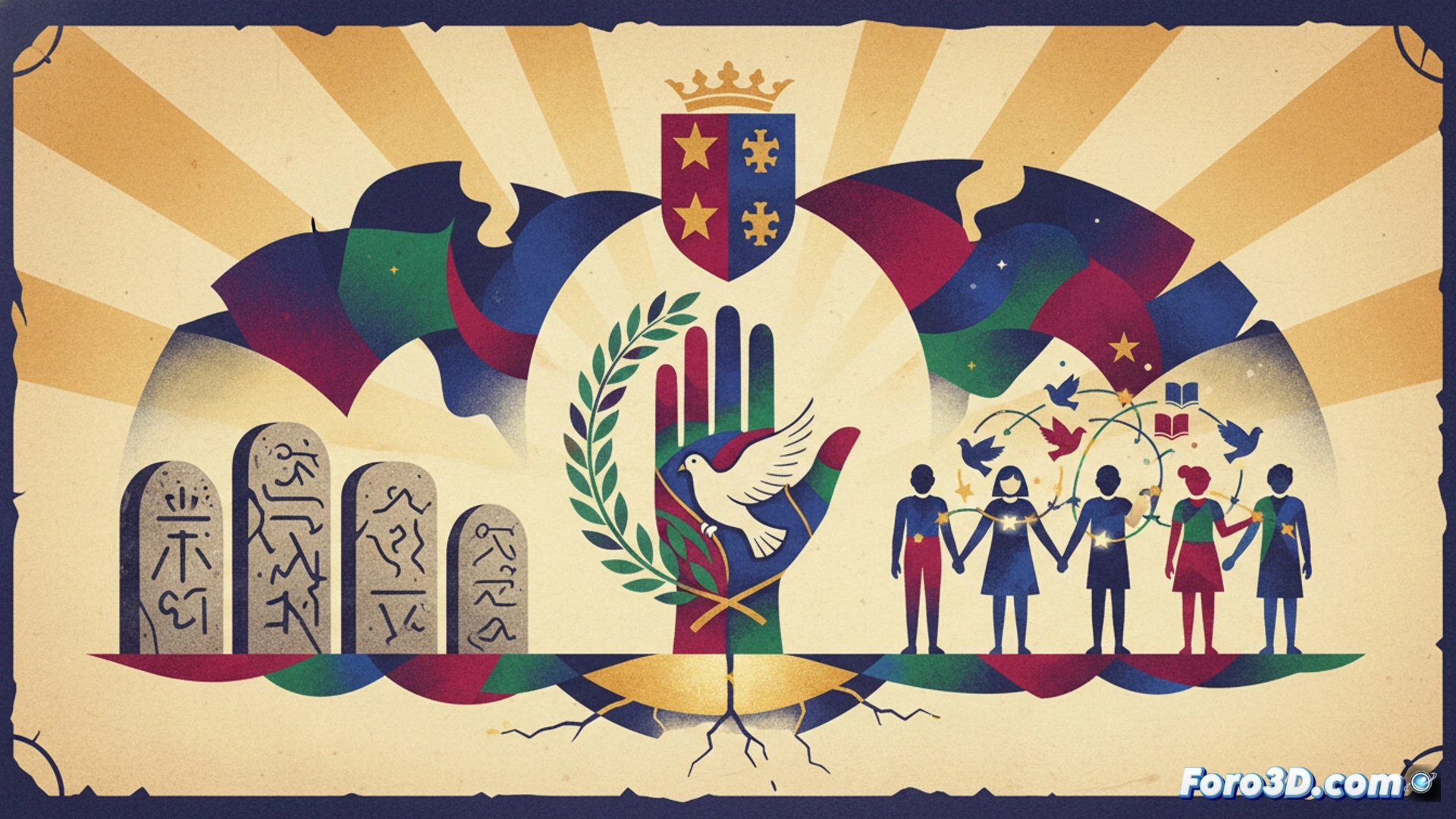
3D Tools Applied to Social Pedagogy 🧠
Fundable projects, such as exhibitions or study days, can be greatly enhanced with accessible technical solutions. For example, 3D recreations of historical contexts can be created for immersive spatial and temporal analysis. Interactive 3D infographics allow breaking down complex human rights concepts. For commemorative events, augmented reality can overlay layers of information on physical locations, and virtual environments can simulate coexistence scenarios for educational workshops. These tools facilitate an empathetic and deep understanding.
Technology at the Service of Collective Memory 🔗
Beyond the visual impact, these technologies democratize access to historical and social reflection. They enable preserving and transmitting memory in a dynamic way, especially to new generations. By digitizing and recreating testimonies and contexts, a critical collective narrative is strengthened, essential for reconciliation and building a more just and informed society. Investment in memory, supported by 3D visualization, is an investment in the future.
How can 3D visualization digitally reconstruct historical repression spaces to turn them into interactive educational tools that foster citizen participation in the preservation of memory and human rights?
(PD: interactive infographics are like politicians: they promise participation but sometimes they don't load)