Initiatives such as Councilwoman Carmen Lara's meeting with residents of the Francisco Guerrero center, highlighting their life trajectories, are crucial. However, the real protection of this vulnerable group requires going beyond isolated acts. 3D technology and digital verification emerge as powerful tools to translate that recognition into tangible and continuous improvements in their quality of life, autonomy, and social connection.
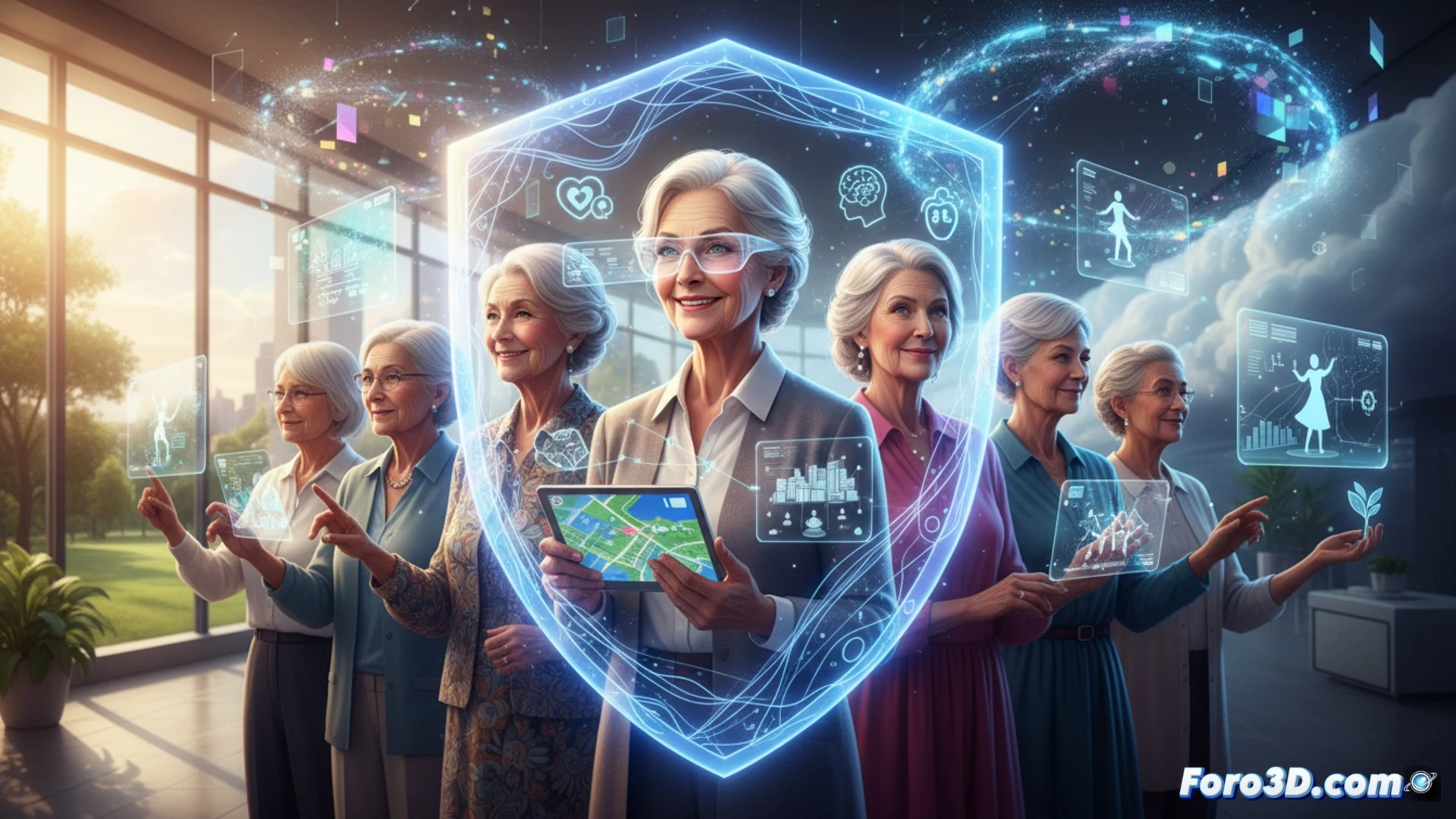
Digital twins, VR, and accessible design: practical applications 🤖
The creation of digital twins of residences allows real-time monitoring of environmental and activity parameters, anticipating risks and personalizing care. Virtual reality can combat loneliness by offering immersive trips or hyperrealistic family gatherings that overcome physical barriers. On the other hand, 3D scanning and modeling are key to redesigning urban spaces and homes, simulating and correcting obstacles before construction, ensuring real accessibility that promotes the mobility and independence of older people.
Technology as a bridge, not a substitution 🌉
The ultimate goal is not to technologize loneliness, but to use these tools as bridges. Digital verification can ensure reliable home services, and VR can facilitate intergenerational dialogue promoted in events like the one mentioned. 3D technology, when properly applied, must serve to materialize that social recognition into safe environments and meaningful activities, putting innovation at the service of emotional well-being and dignity in old age.
How can 3D printing technology create personalized solutions that improve the physical safety and autonomy of elderly women in their daily environments?
(P.S.: alert systems are like coffee: if they don't go off when they should, the day goes wrong)