Olivia Smart and Tim Dieck have set a new Spanish record in rhythmic dance at the Prague World Championships, with 81.06 points. This milestone, which places them sixth before the final, is the result of years of precision training. In elite sports like this, where every technical and artistic detail counts, 3D analysis tools have become an indispensable ally for breaking down performance and seeking perfection in every movement on the ice.
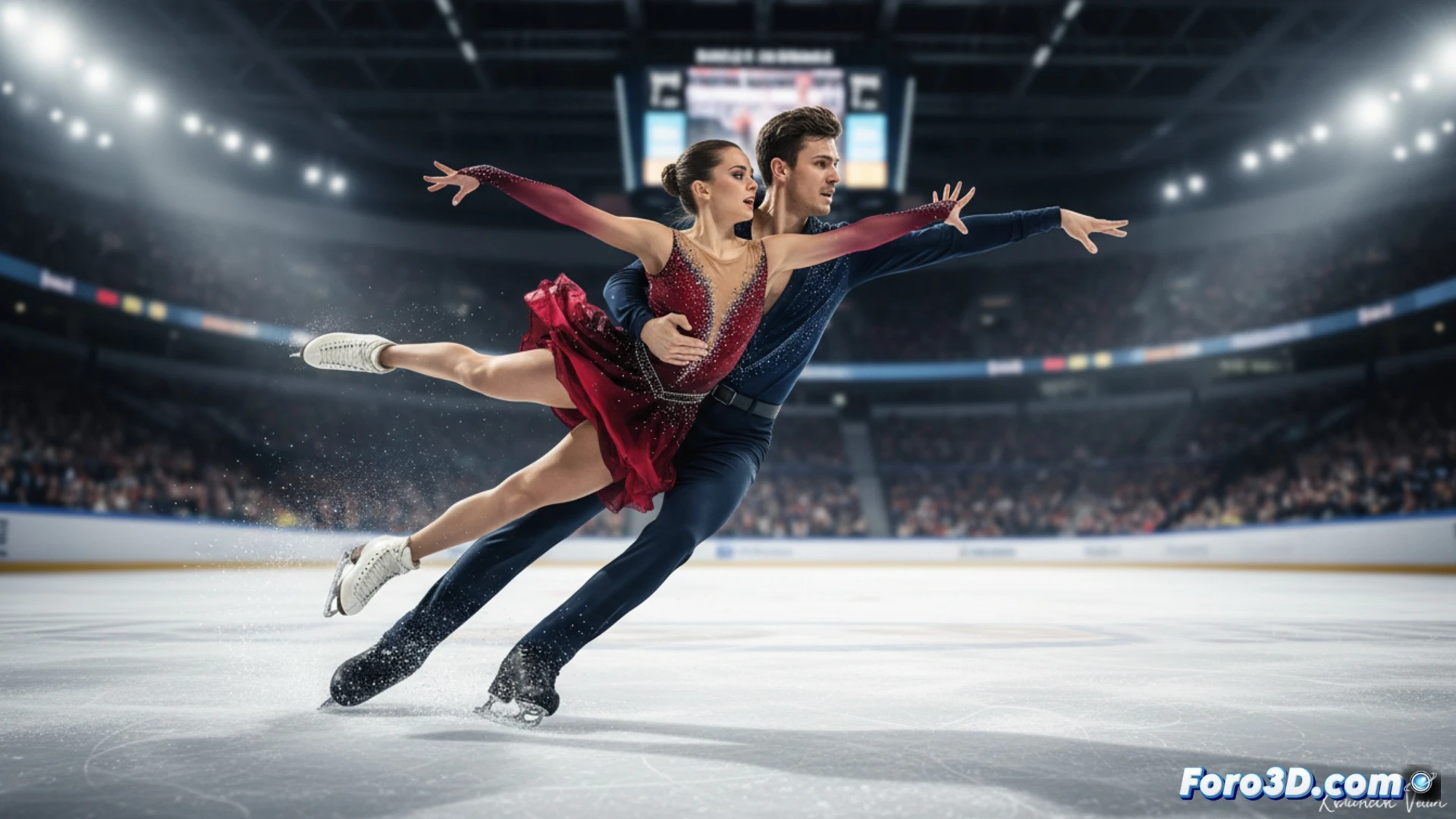
Motion scanning and biomechanical simulation on ice 🧊
The performance analysis of pairs like Smart and Dieck is enhanced with 3D technologies. Motion capture systems using sensors or high-speed cameras allow creating an exact digital model of the skaters. This 3D avatar can be used to perform biomechanical simulations that precisely measure joint angles, force distribution, balance, and synchronization. Thus, coaches and athletes can optimize technique, prevent injuries by visualizing stress loads, and refine choreography to maximize GOE, the execution grade that has such a significant impact on the final score.
Beyond training: virtual competitive recreation 🥇
The application of 3D technology goes beyond training. After a competition, like this World Championships, the entire routine can be virtually recreated for in-depth tactical analysis, comparing it with ideal models or with the performances of rivals like the French Fournier Beaudry and Cizeron. This objective visualization in a 3D environment allows identifying micro-errors imperceptible to the naked eye and planning strategic improvements, helping teams like the Spanish one to consolidate their progression and aspire to surpass their historic sixth place.
How is 3D motion capture technology used to analyze and perfect synchronization and body alignment in a high-level ice dance routine?
(P.S.: 3D tactical simulation never fails, the players on the field do)