Real Madrid coach Álvaro Arbeloa's statements after a defeat are a manual of sports management: mindset in adversity, injury management, and analysis of the next opponent, RC Celta. This scenario is perfect for applying 3D technologies, which go beyond simple video. Reconstruction and simulation tools allow for an objective analysis of the factors that Arbeloa mentions, transforming statements into visual and actionable tactical data for the coaching staff.
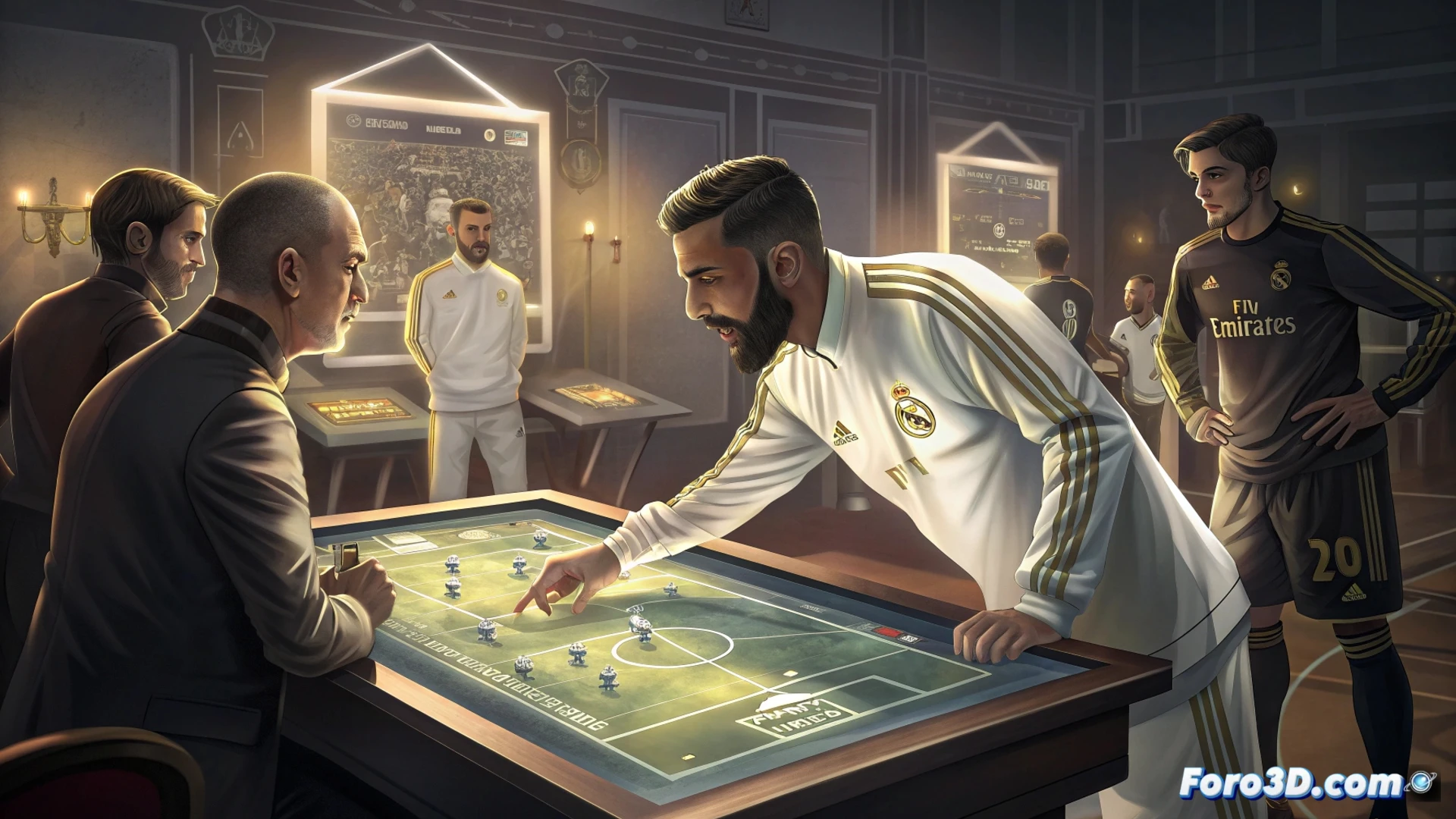
3D Reconstruction of Injuries and Tactical Simulation Against Celta 🧠
The mention of injuries to Bellingham or Mbappé can be analyzed with 3D biomechanical models to evaluate their specific impact on the team's scheme. Through scanning and simulation, it is possible to quantify how their absence alters spaces and transitions. For the opponent, Celta, their pressing patterns and runs can be recreated in 3D, allowing Madrid to train in a specific virtual environment. Even the dressing room atmosphere can be modeled using avatars and group interaction analysis to study communication dynamics and cohesion under pressure.
The Essence of the Club, Visualized in Data 📊
When Arbeloa talks about fighting until the end, 3D technology offers a tangible way to measure that spirit. Graphical representations of intensity in the final minutes of several matches, or collective effort heat maps, can visualize that essence. It does not replace attitude, but quantifies it, showing how commitment translates into concrete movements on the field, closing the cycle between the declared mindset and its physical expression on the pitch.
How can 3D analysis of positioning and tactical movements quantify and improve the collective mindset that coaches like Arbeloa prioritize after adverse results?
(PS: 3D tactical simulation never fails, players on the field do)