The recent strengthening of Castilla-La Mancha's support for the Down network, based on participation, autonomy, and community life, sets a clear course. However, true inclusion requires tools that go beyond the declarative. This is where 3D and digital technology emerges not as an end, but as a powerful means to materialize those pillars, transforming support models into personalized experiences and truly accessible environments for people with intellectual disabilities.
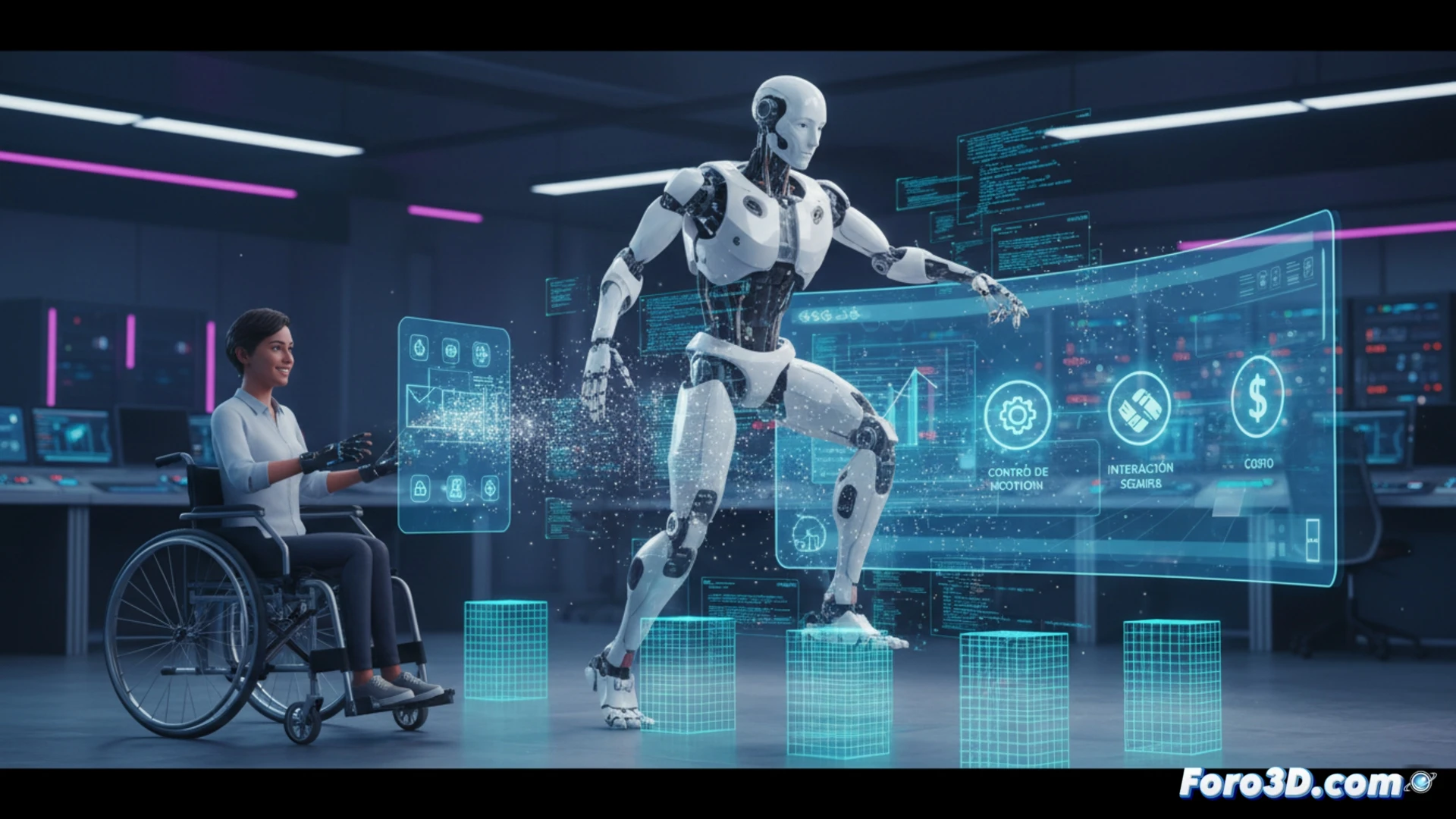
Digital twins and virtual environments: training and personalized autonomy 🧠
The creation of digital twins of public spaces, transportation, or workplaces allows people to familiarize themselves and train skills in safe and controlled virtual replicas. This enhances personal autonomy, one of the key pillars. Likewise, digital accessibility verification systems, using 3D scanning, can audit and certify that a physical space meets the necessary requirements before its use. These tools turn preparation and accessibility into proactive and customizable processes, empowering the person to interact with their environment with greater confidence and safety.
Visualize to include: community design with a user perspective 👁️
3D technology also democratizes the design of community life. Through immersive visualizations, the users themselves and their families can participate in the co-design of homes, centers, or public spaces, ensuring they adapt to their real needs. This active participation in the design of the physical environment is the ultimate expression of inclusion, guaranteeing that the community is built with and for everyone. Technology thus allies with social models to make the right to full citizenship tangible.
How can low-cost 3D printing empower personal autonomy and social participation in groups like people with Down syndrome, complementing institutional support? 🤔
(P.S.: alert systems are like coffee: if they don't go off when they should, the day goes wrong)