The recent meeting of more than 400 dependency professionals in Andalucía underscores the need for innovation in the sector. Beyond the exchange of best practices, the future of quality care lies in the integration of advanced digital tools. This is where 3D technology and digital verification offer tangible solutions to personalize and improve care, transforming data into useful environments and models for professionals, caregivers, and the dependents themselves.
Concrete Applications: From Scanning to Simulated Environment 🛠️
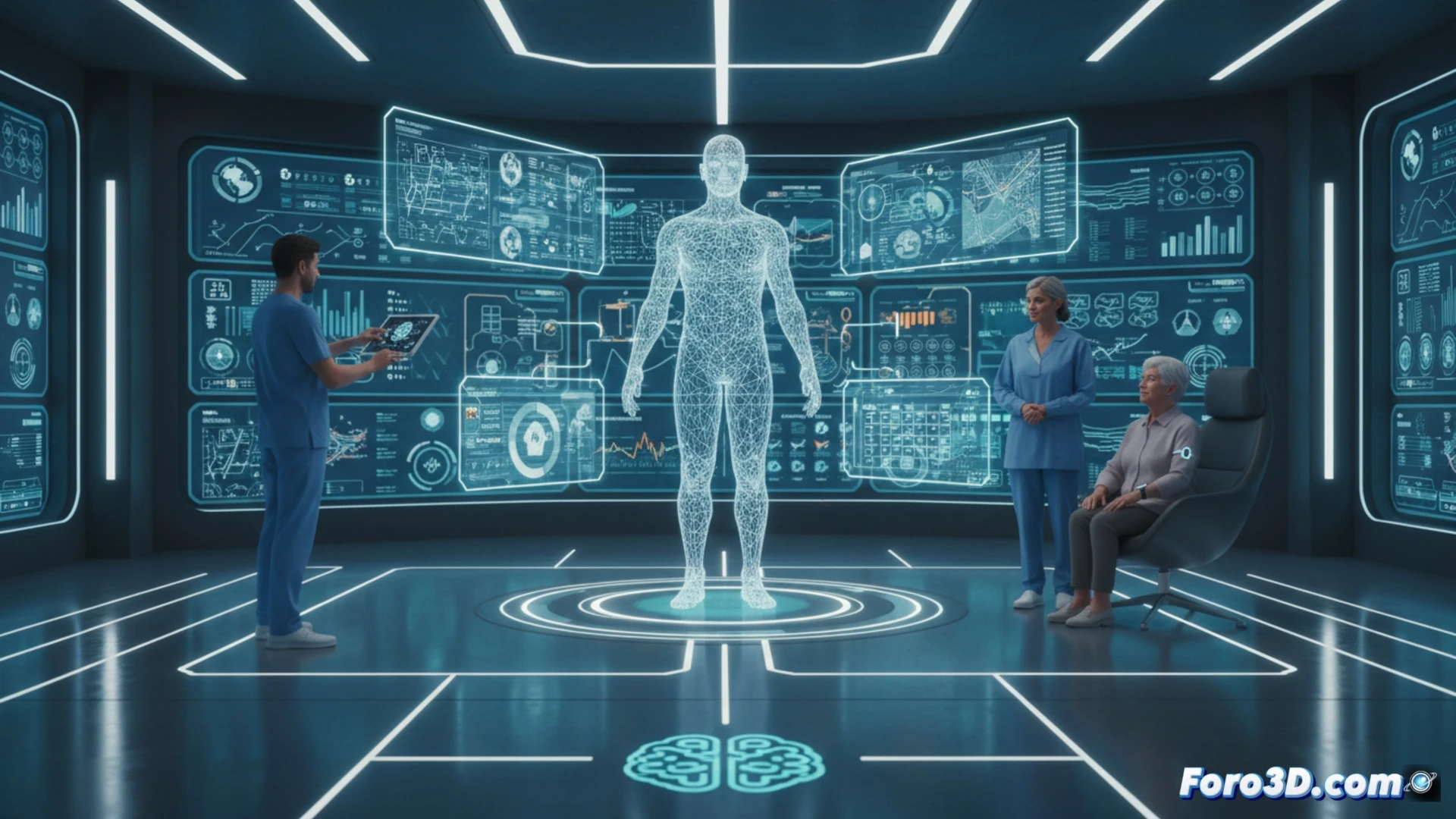
3D digitization enables the creation of digital twins of users, precise models that integrate their measurements, movement limitations, and needs. This facilitates the personalized design of prostheses, orthoses, and the ergonomic adaptation of their homes through environmental scanning. For training, 3D simulations and virtual reality train caregivers in complex scenarios without risks. In therapy, VR environments can cognitively stimulate people with dementia. Digital verification ensures the accuracy of these models and the traceability of each adaptation, creating an objective and updatable care history.
Beyond Technology: Humanizing with Precision ❤️
The ultimate goal is not technology itself, but its capacity to restore autonomy and quality of life. A precise 3D model is not an end, but the starting point for more anticipatory and person-centered care. The key is that these tools, discussed in forums like the Andalusian one, empower professionals to make better decisions, freeing up time from paperwork to dedicate it to the human relationship, which remains the irreplaceable core of all dependency care.
How can digital twins and 3D printing personalize and improve home safety for people with dependency?
(P.S.: alert systems are like coffee: if they don't go off when they should, the day goes wrong)