A research in Italy has uncovered sexual violence and systematic abuses against journalists in their newsrooms. The aggressors, often in positions of power, cause severe psychological and economic damage. This scenario poses an urgent challenge: how to protect this vulnerable group. 3D technology and emerging digital environments emerge not as a magic solution, but as potential tools to document, simulate, and evidence these power dynamics, offering new avenues for prevention and accountability.
Digital twins and safe environments: technical applications for evidence 🔍
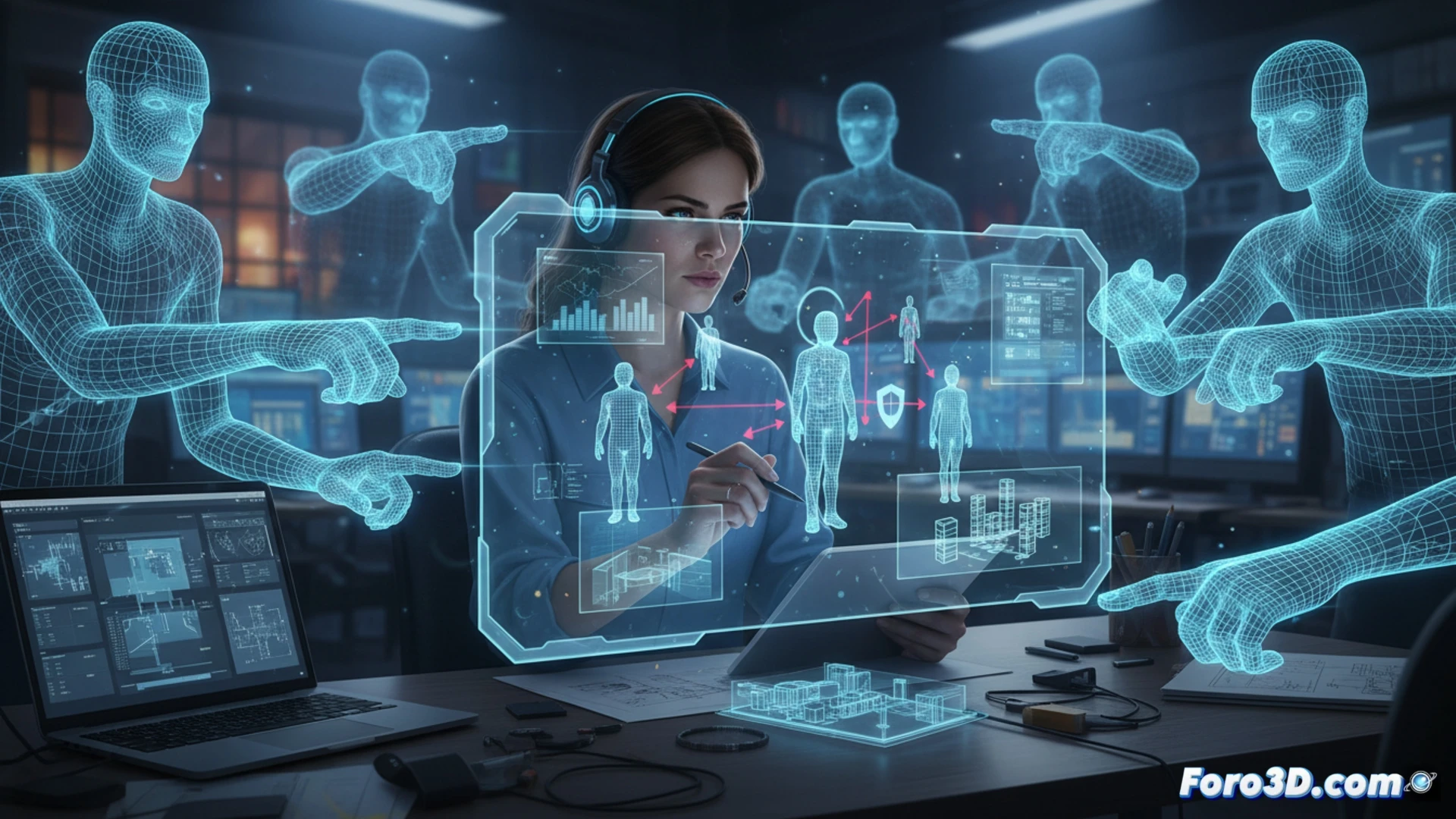
3D visualization allows creating digital twins of workspaces to recreate harassment scenarios anonymously and safely, useful for training and expert analysis. Immersive virtual environments can serve as confidential spaces to collect testimonies, where the victim feels protected. Additionally, data management systems can map aggressions in a geolocated and temporal manner in 3D models of the newsroom, identifying patterns and critical points. Verification technology could securely authenticate digital evidence, and 3D modeling allows visualizing complex power and complicity networks intuitively and impactfully.
The ethics of simulation: technology to repair or to surveil? ⚖️
Implementing these solutions entails crucial ethical dilemmas. The absolute priority must be the protection and agency of the victim, avoiding digital revictimization. Any tool must be developed with a gender perspective and participation of those affected. The risk that these systems deviate toward generalized workplace surveillance is real. The ultimate goal is not to monitor people, but to make the invisible visible: the power structures that enable abuses, using technology as a mirror for justice.
What interfaces would you propose for verifiers to easily identify special cases?