The convergence between biomedical engineering and 3D technologies is driving a new generation of diagnostic wearable devices. A standout example is the development of a portable biosensor patch capable of analyzing cortisol levels in sweat in real time, a key biomarker of stress and mental fatigue. This innovation, aimed at preventing burnout in work and sports environments, finds in 3D modeling and manufacturing fundamental tools for its design, prototyping, and functional optimization.
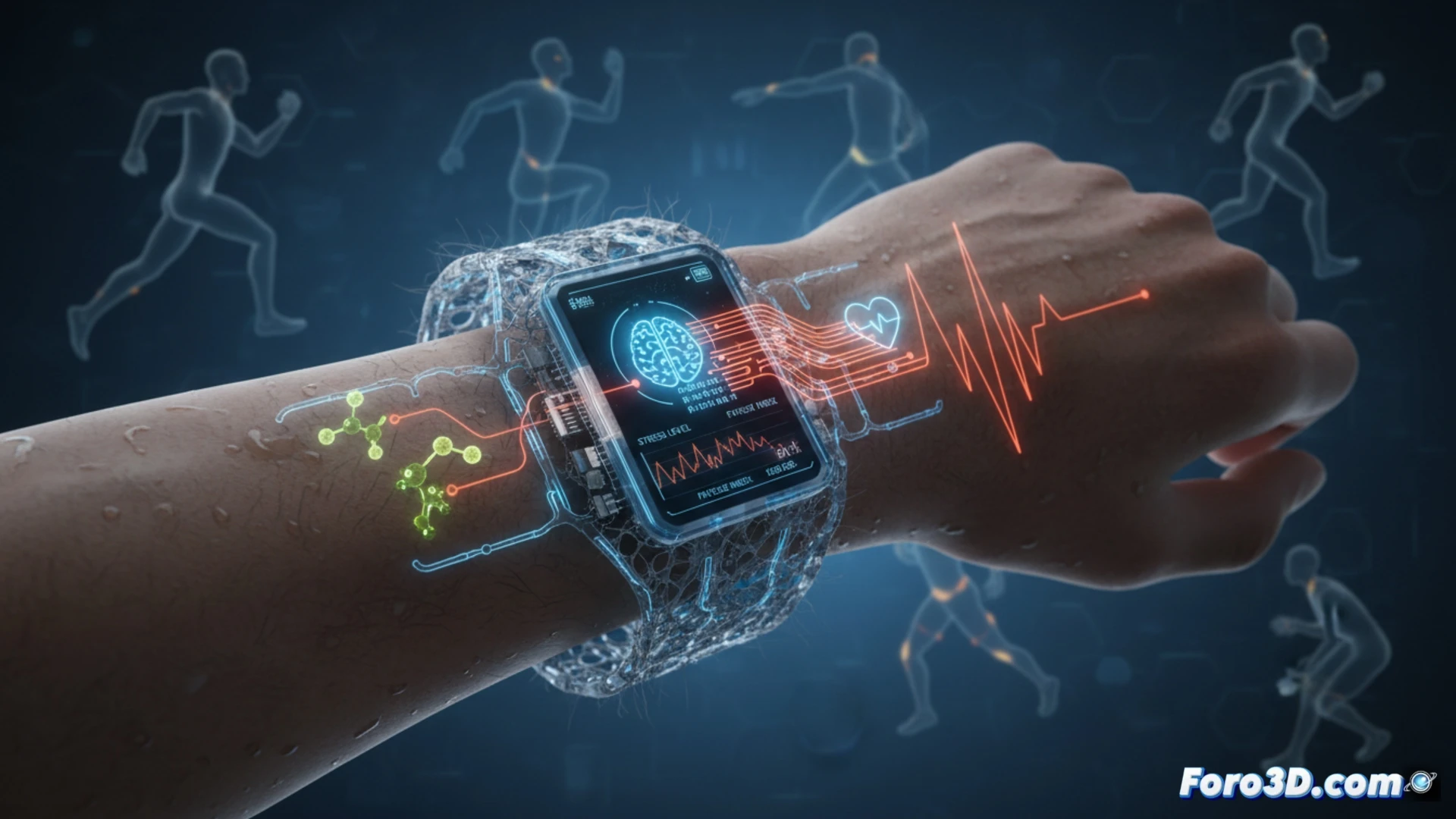
3D Modeling and Ergonomics in the Design of Biomedical Wearables 🔬
The success of a portable biosensor critically depends on its ergonomic and discreet integration with the skin. Here, 3D modeling is indispensable. Using specialized CAD software, engineers can design the patch's microfluidics, sweat collection channels, and sensor electrode layout. Finite element simulation allows analysis of the device's flexibility, its adhesion to curved surfaces, and stress distribution during user movement. This ensures optimal contact for fluid capture and prolonged comfort, key factors for the reliability of continuous cortisol measurements.
3D Printing and Data Visualization: From Prototype to Diagnosis 🖨️
3D printing accelerates the development cycle, enabling rapid manufacturing of customized housings and functional prototypes for clinical validation. Additionally, 3D technology goes beyond manufacturing. Captured cortisol data can be integrated into 3D human body visualization platforms, where physicians can correlate biomarker levels with specific anatomical areas and other physiological parameters, offering a comprehensive perspective for diagnosis and prevention of extreme burnout.
How are 3D sweat biosensors overcoming the challenges of fluid capture and analytical stability to provide continuous and reliable monitoring of stress and fatigue?
(P.S.: If you print a heart in 3D, make sure it beats... or at least doesn't have copyright issues.)