The University of Oklahoma leads an $8.8 million project with the U.S. Air Force to revolutionize the maintenance of aging military aircraft. The goal is to manufacture on-demand spare parts that no longer exist, overcoming the major challenge of obsolescence. The key is not just additive manufacturing, but a new digital certification system that tracks the entire process, allowing the production of valid components in different locations. This initiative sets a crucial precedent for the preservation of historical machinery in any sector.
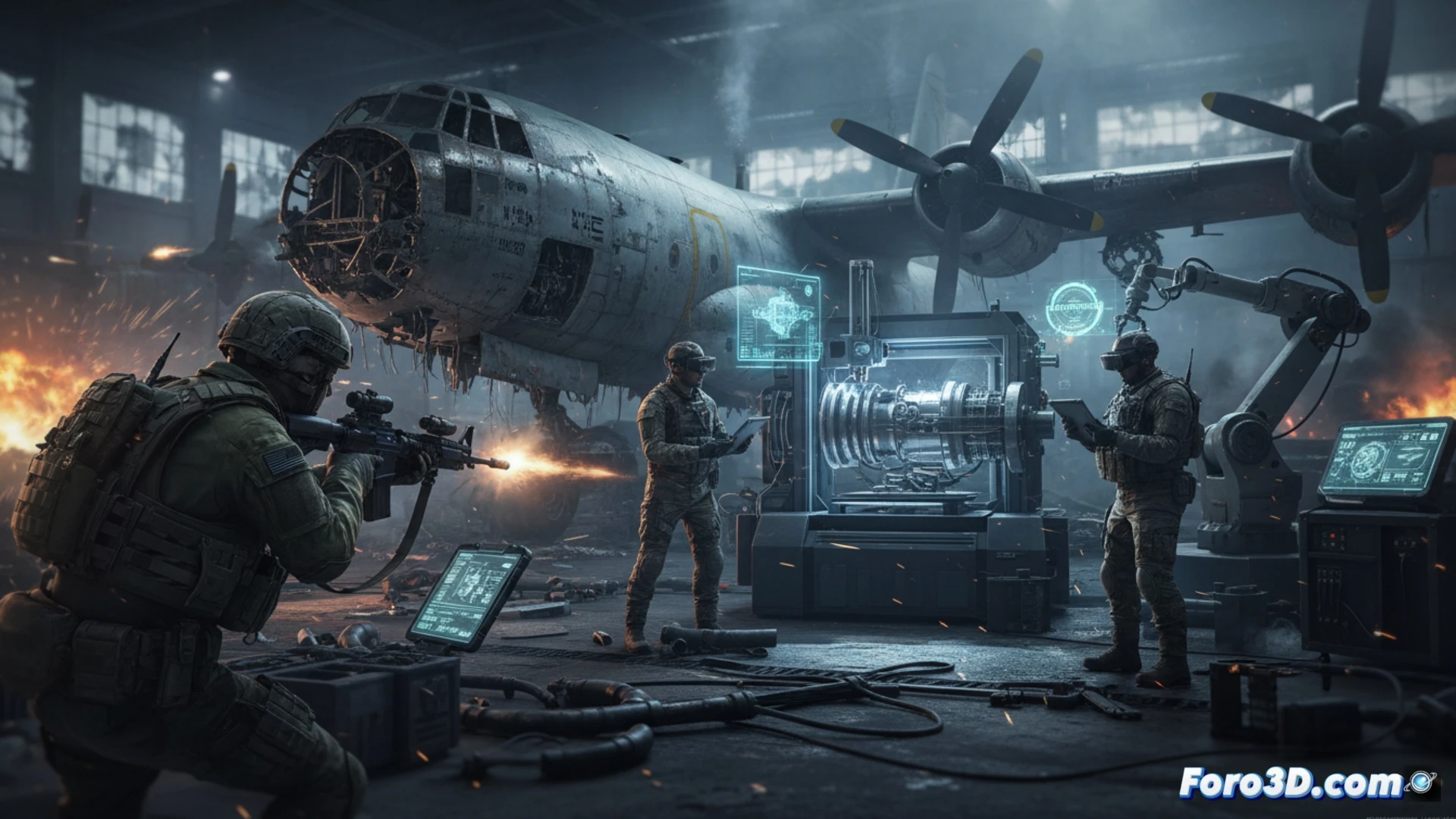
A digital ecosystem for comprehensive spare parts certification 🛠️
The project goes beyond simply 3D printing a component. It proposes a paradigm where the physical part is just one outcome. The core is a digital twin of the entire process: from reverse engineering and design, through the specific material, printing machine parameters, to quality control with AI. This immutable digital history allows certifying the process, not just the final part. Thus, any authorized facility that follows the exact digital protocol can manufacture a certified spare part, creating an agile and distributed supply chain for obsolete equipment.
An extrapolable model for the heritage industry 🏛️
The relevance of this approach extends beyond defense. It establishes a standard for preserving historical industrial machinery, classic vehicles, or unique infrastructures. The combination of digitization, on-demand manufacturing, and process-based certification solves the universal problem of spare parts shortages. The Oklahoma project demonstrates that current technology enables the creation of sustainable maintenance ecosystems for obsolete assets, transforming a conservation challenge into an opportunity for advanced local manufacturing.
Can 3D printing and AI resurrect the supply chain for parts for historic aircraft considered obsolete machinery?
(P.S.: Modeling obsolete machinery is like paying homage to those beasts that no longer exist.)