The recent Premio Loewe de Poesía highlighted two powerful concepts: creation as resistance, according to the Mexican Leonor Pataki, and the celebration of the gratuitous and useless in dark times, according to the Argentine Hugo Mujica. These ideas are not foreign to digital art. In our niche, 3D technology and digital tools become the contemporary verse and canvas to exercise that same resistance and seek beauty in the face of adversity. Poetry no longer only inhabits paper.
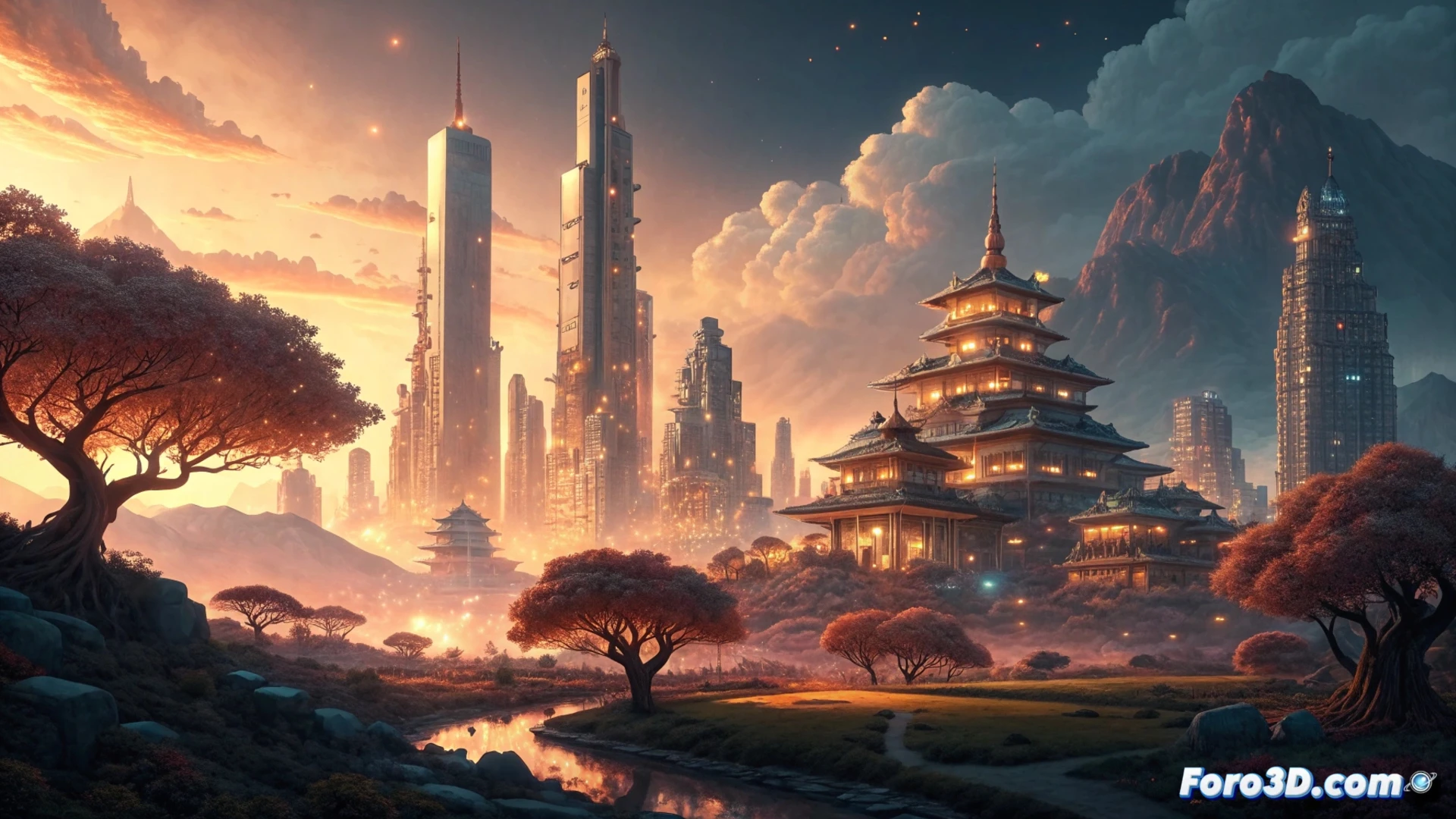
Technical Tools for a New Poetic Expression 🛠️
3D modeling, virtual reality, and generative art offer a unique vocabulary for this purpose. An artist can digitally sculpt metaphors about migration, create immersive environments that reflect loss, or use algorithms to visualize data on social conflicts, transforming the abstract into a sensory experience. These tools allow documenting painful realities with a new visual potency and building spaces of pure reflection, those useless but necessary places that poetry celebrates. The technical act of creating a model, a shader, or an interaction becomes a discovery, uniting the personal with the universal.
The Necessary Gratuitousness in a Digital World 🎁
In an era dominated by utility and performance, dedicating hours to modeling an object without commercial function or programming an ephemeral visual experience is a radical act. It is affirming the value of contemplation and pure emotion. Just as Mujica defends the gratuitousness of the poem, 3D digital art can pursue the same end: creating shadows, lights, and forms whose sole purpose is to move us, reminding us that beauty and reflection are forms of resistance in themselves.
How can the creation of worlds and narratives in 3D become an act of political and cultural resistance in the current digital context?
(PD: at Foro3D we believe that all art is political, especially when the computer freezes)