In the field of digital design, the efficiency of the pipeline determines the viability of projects. Chat3D addresses this challenge with custom software solutions that automate repetitive tasks and standardize processes. This approach not only accelerates the production of 3D models and improves accuracy, but also frees artists to focus on creativity. The result is a significant reduction in times and costs, applicable from industrial design to architectural visualization.
Automation and Standardization in the Workflow 🛠️
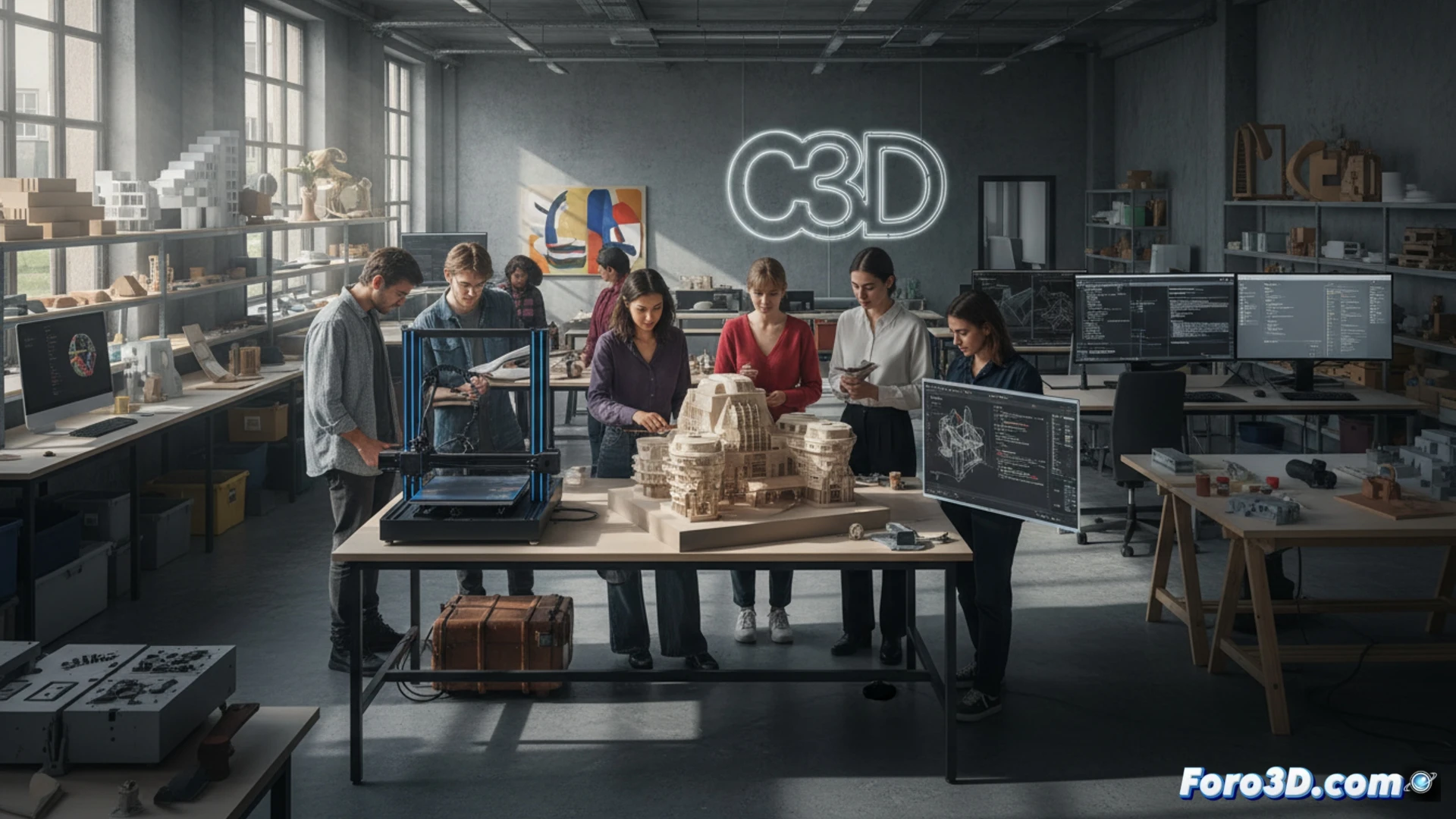
The technical core of the solution lies in specific tools that integrate and optimize critical stages of the workflow. Automating processes such as geometry preparation, topology standards application, or export for manufacturing eliminates human errors and creates a reproducible process. A tangible case study is its implementation at the Bauhaus University Weimar, where it merges with artisanal methods. There, the optimized pipeline enables the creation of complex prototypes through 3D printing, enriching academic training and demonstrating how a robust workflow facilitates the transition from the digital model to the physical object with maximum fidelity.
Customization as a Competitive Advantage 🚀
This case underscores a fundamental truth in today's digital manufacturing: adaptability is key. A generic pipeline rarely covers all the specific needs of a studio or sector. Software customization allows shaping the workflow exactly to the project's demands, creating a sustainable competitive advantage. More than mere acceleration, it is about building a reliable and scalable technical foundation that drives the evolution of the entire industry, prioritizing quality and innovation over mere speed.
How can the implementation of custom software in the 3D pipeline not only accelerate production, but also generate a detailed forensic record to diagnose bottlenecks and ensure the integrity of digital assets?
(P.S.: don't forget to calibrate the laser scanner before documenting the scene... or you might be modeling a ghost)