Fifty years ago, the military coup in Argentina initiated a dictatorship that left thousands of disappeared. Today, the fight for truth and justice finds an unexpected ally in digital art. This article explores how 3D tools and immersive experiences become powerful instruments of memory, reconstructing what the state terrorism tried to erase and keeping alive the demand for justice for the victims.
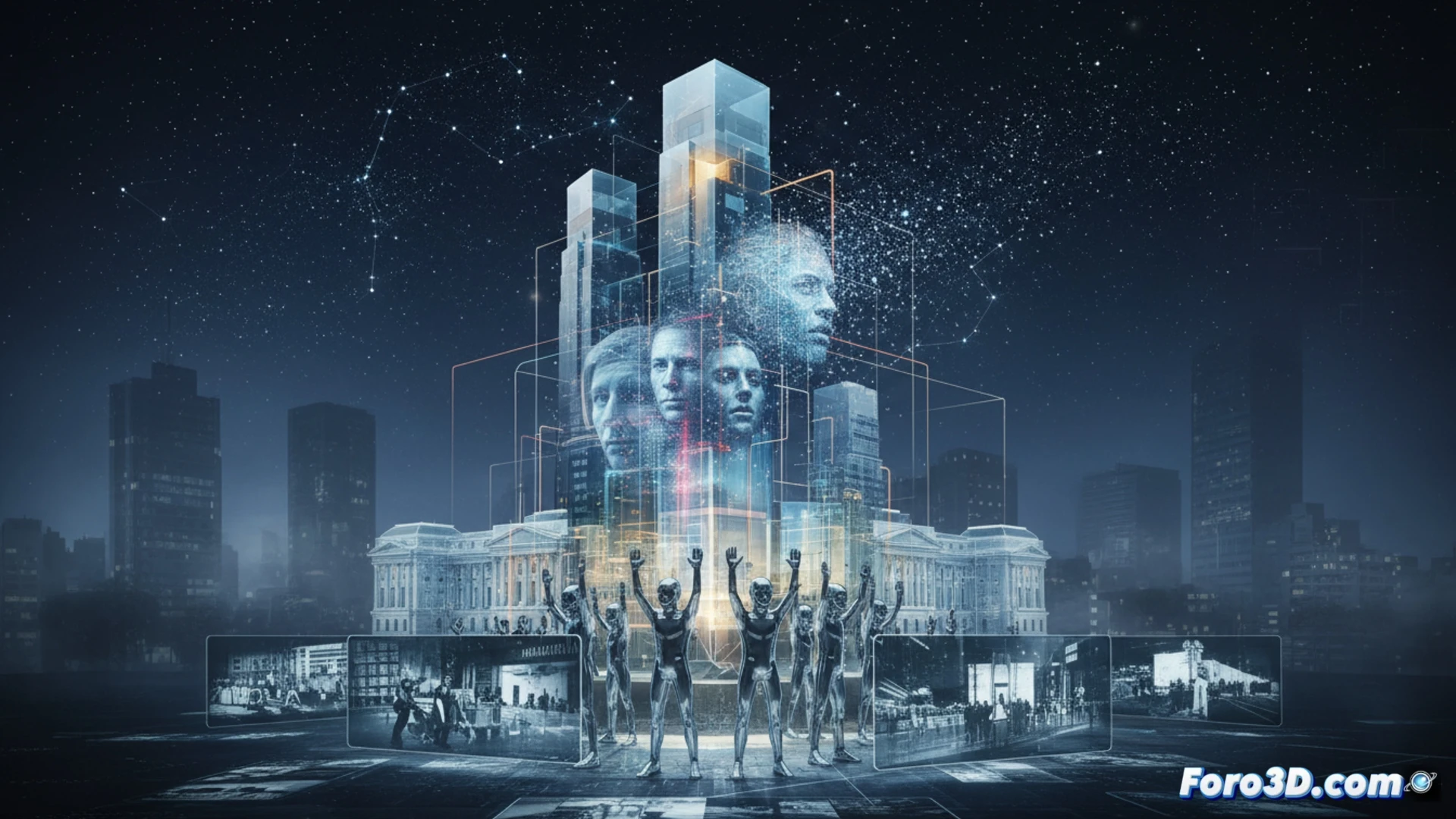
Digital reconstruction and immersive memory spaces 🕊️
3D reconstruction projects of clandestine detention centers, such as the ESMA, allow virtually touring these spaces of horror with forensic precision. These recreations, based on testimonies and expert reports, serve as documentary evidence and as a pedagogical tool. Simultaneously, artists and collectives develop digital monuments and augmented reality experiences that place memory markers in the physical public space, superimposing layers of historical information over the current landscape, creating a constant dialogue between past and present.
The rendering of truth: ethics and persistence of memory ⚖️
The use of these technologies raises a profound ethical commitment. It is not a technical exercise, but an act of resistance against impunity and denialism. Each 3D model, each immersive experience, seeks to make the intangible tangible, giving presence to the absent. In a context where judicial processes advance slowly, activist digital art ensures that the demand for justice and collective memory remain alive, rendered in the social consciousness.
Do you think digital art can have more political impact than traditional art?