The recent discovery of manuscript drafts from Diderot's Encyclopedia poses a conservation challenge. These documents, fragile and of incalculable value, require minimal handling to avoid degradation. This is where 3D technology reveals itself as a fundamental tool. Through techniques such as photogrammetry or laser scanning, we can create exact digital replicas, preserving the current state of the original and allowing its study without risks.
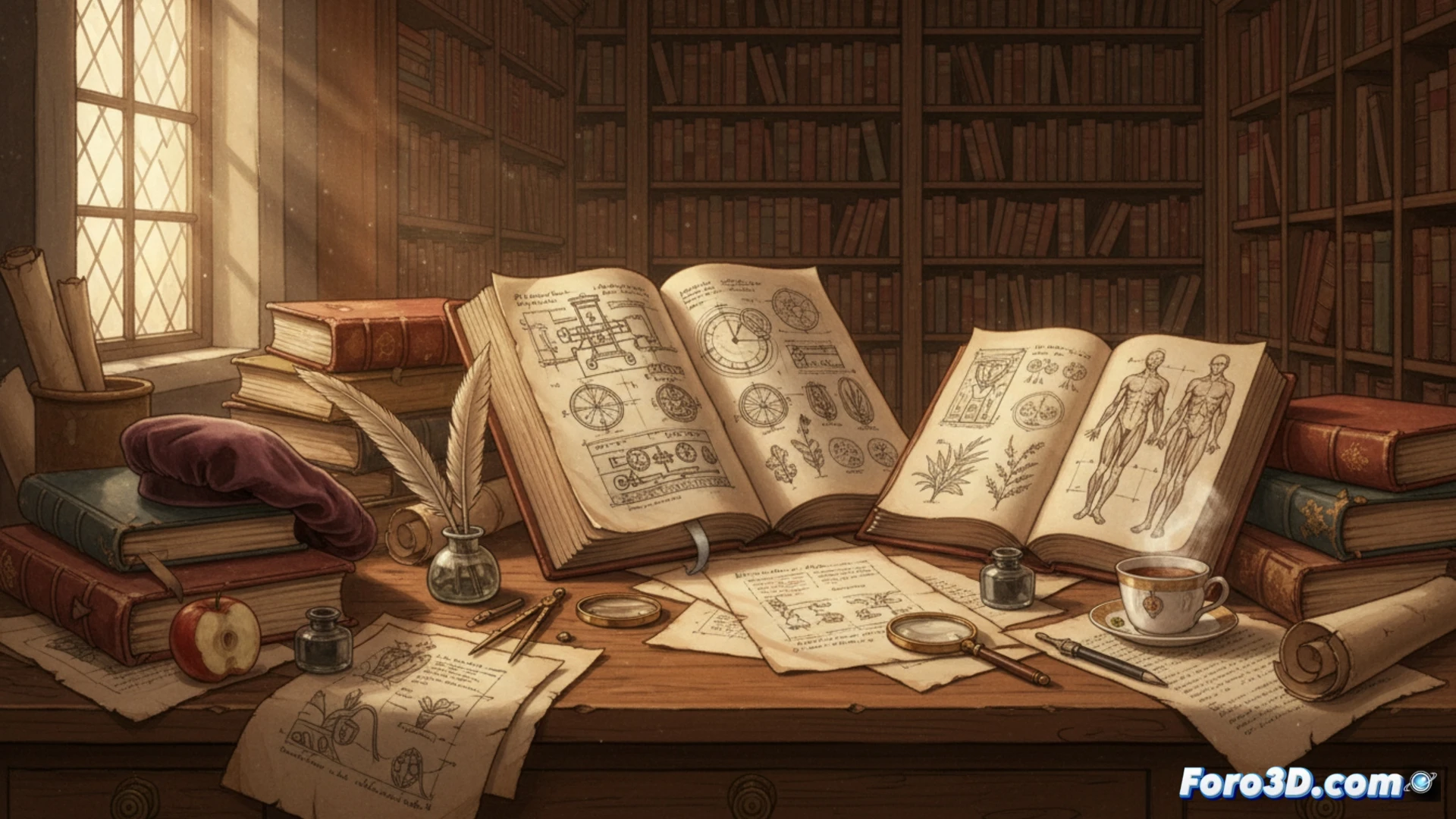
Process of creating a digital twin for manuscripts 📄
The 3D digitization of a manuscript begins with the massive capture of data. High-resolution cameras or laser scanners record every surface detail: paper texture, ink relief, deformations, and even watermarks. This data is processed in specialized software to generate a high-fidelity textured 3D model, a digital twin. This model allows precise measurements, visualization with raking light to highlight textures, and the creation of universally accessible files for researchers worldwide, democratizing study without touching the original.
Beyond preservation: access and innovative analysis 🔍
The 3D replica is not just a backup file. It is a gateway to new forms of research. Academics can virtually manipulate the pages, apply filters to decipher faded texts, or overlay versions. For the public, it enables immersive experiences with pieces that would never leave a vault. Thus, 3D technology does not freeze heritage; it revitalizes it, ensuring that the legacy of the Enlightenment remains alive, accessible, and a source of knowledge for future generations.
How can high-resolution 3D digitization and photogrammetry preserve the material information and the footprint of the creative process in fragile historical drafts, such as the recently discovered ones from the Encyclopedia?
(P.S.: Virtual restoration is like being a surgeon, but without bloodstains.)