The passionate 12th-century correspondence between Peter Abelard and Heloise is an invaluable, fragile, and deteriorating documentary heritage. 3D technologies now offer revolutionary tools for its preservation. Beyond simple 2D digitization, they allow capturing and safeguarding the complete materiality of these documents: the texture of the parchment, the pen marks, the wax seals, and any physical deformation, creating an exact and unalterable three-dimensional digital archive for future generations.
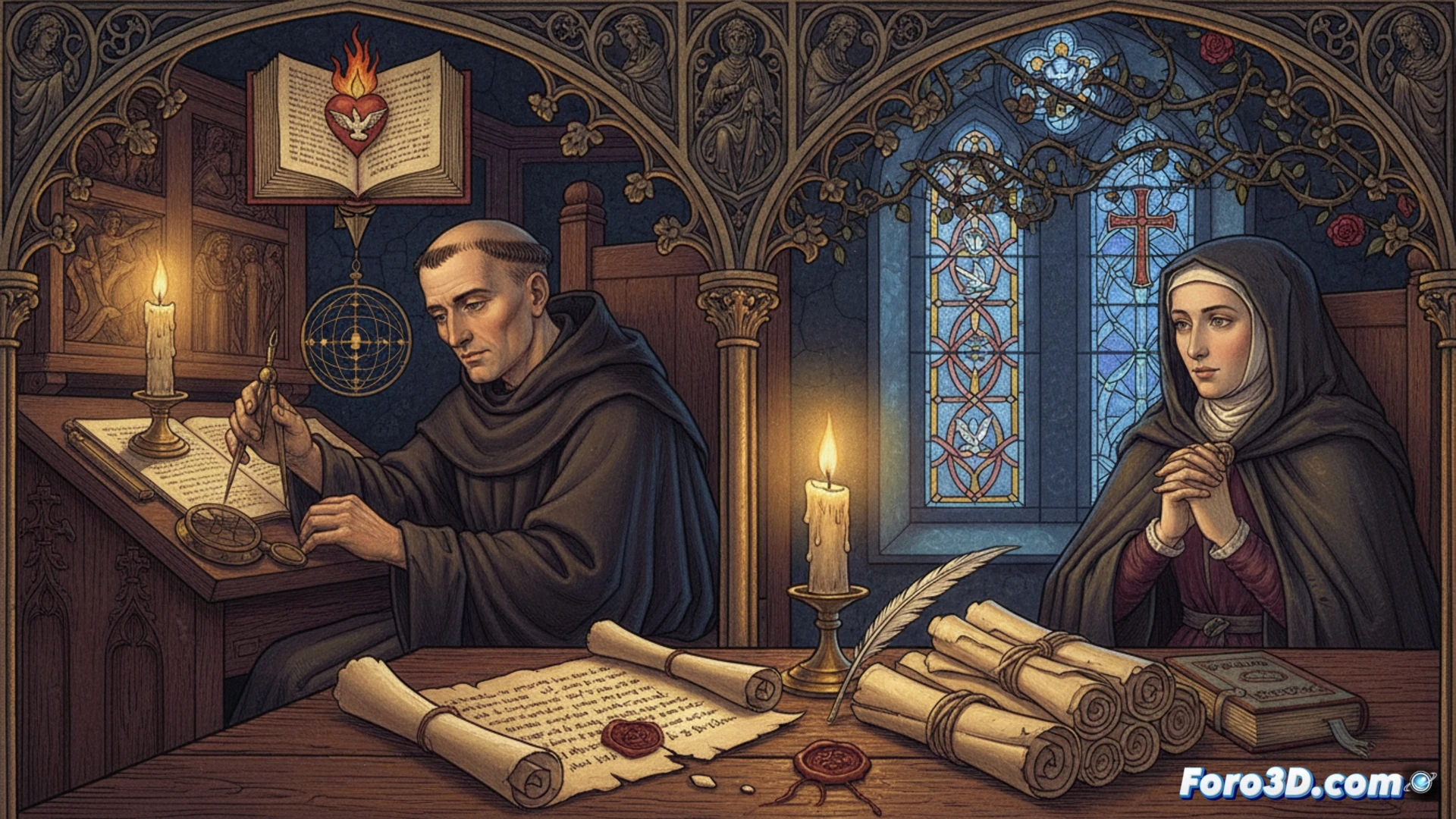
Three-dimensional digitization techniques for historical documents 🛠️
The preservation of these letters can benefit from methods such as high-resolution photogrammetry and structured light 3D scanning. These techniques capture the surface and relief of the document with micrometric precision, including folds, writing indentations, or cracks in the wax of the seals. The resulting models allow researchers to study the object from any angle, perform non-contact measurements, and even apply virtual lights to highlight details imperceptible to the naked eye, all without risking the original. Additionally, this 3D data can be integrated into digital archive platforms accessible for global study.
Beyond preservation: dissemination and immersive context 🕶️
The application of 3D goes beyond mere preservation, opening doors to new forms of dissemination. The models can serve as the basis for interactive experiences or virtual reality environments that place the user in the scriptorium where the letters were written, contextualizing their creation. This approach not only protects the physical support but also revitalizes the intangible content, bringing a centuries-old philosophical and amorous dialogue closer to the current public in a profound and novel way, ensuring that its legacy endures in the digital era.
How can 3D digitization and specialized metadata management ensure accessible preservation and philological analysis of fragile historical correspondence, such as that of Abelard and Heloise, overcoming the limitations of traditional physical conservation?
(P.S.: Virtual restoration is like being a surgeon, but without bloodstains.)