The synopsis of Louis Braille - The Code of Shadows offers more than an animated biography. It proposes a narrative revolution by materializing sounds and textures as vibrant colors on screen. This visual translation of non-visual stimuli is, in essence, a pure application of Extended Reality principles. It does not seek to immerse us in a virtual world, but to expand our perception of sensory reality within the cinematic framework, creating an interface between the protagonist's experience and that of the viewer.
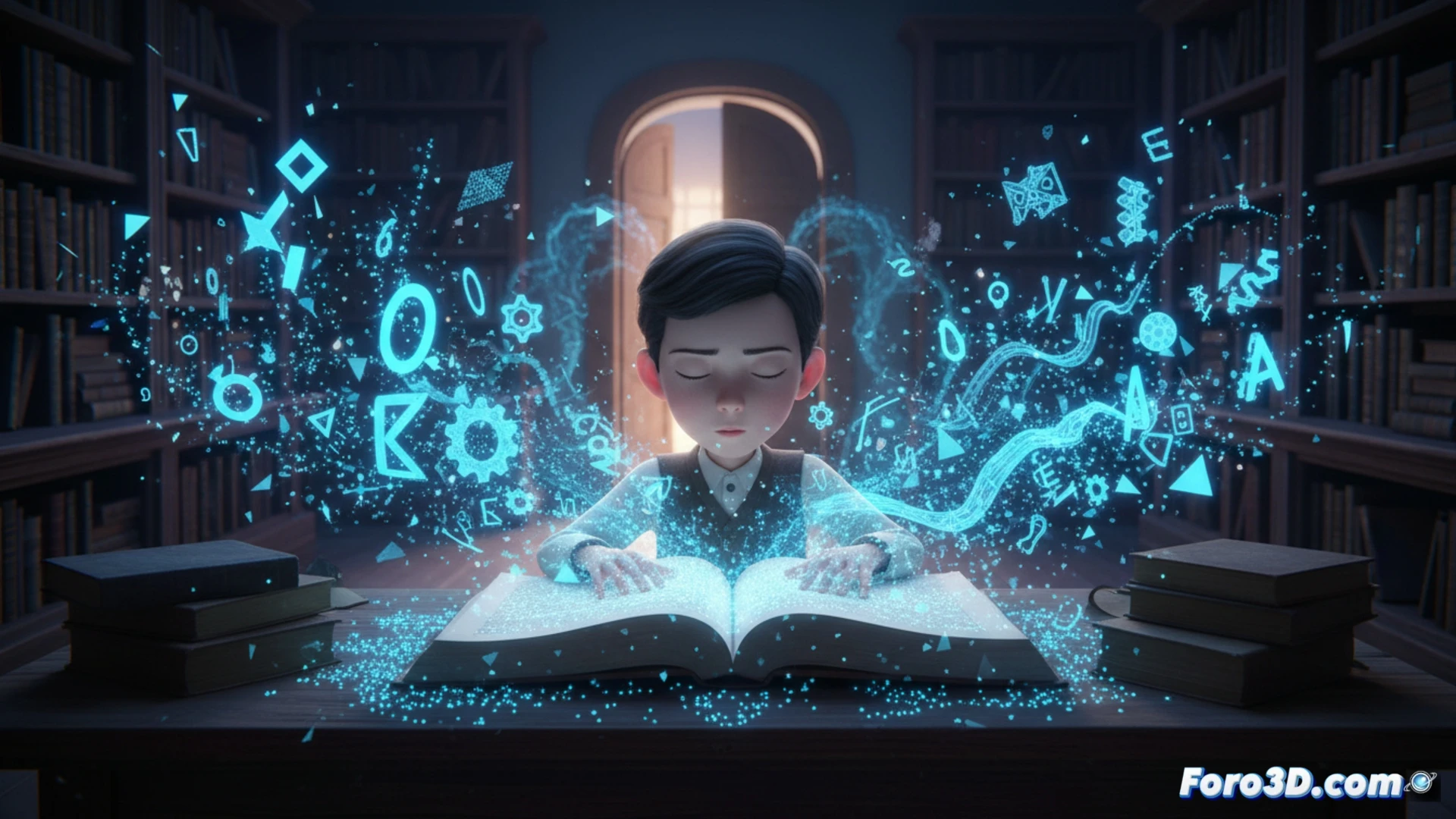
From representation to simulation: Visual haptics as a sensory bridge 🔬
The technique described, haptic visual effects, goes beyond traditional visual metaphor. It involves a systematic design where a specific sensory input, such as a sound frequency or tactile roughness, is consistently mapped to a concrete visual output, such as a color or a moving geometric shape. This is analogous to the development of a shader language to translate non-visual data into immersive experiences in VR/AR. The professional potential lies in its use as a testbed for multisensory interfaces, allowing prototyping and communicating how future haptic devices might look or how abstract data is visualized in simulation environments for training or specialized education.
Beyond the screen: A blueprint for sensory empathy 💡
The true value of this approach transcends the technical. By offering a structured visual representation of a non-visual experience, the film would act as a device for cognitive empathy. This concept is exportable to educational XR applications, for example, to simulate dyslexia or atypical sensory processing, or to create museum guides that visualize textures of sculptures. The cinematic proposal reveals itself as a narrative blueprint for future Extended Reality tools that seek to close gaps in understanding between different ways of perceiving the world.
Can the haptic representation of information, inspired by systems like Braille, become the fundamental interface language for a truly inclusive and multidimensional Extended Reality? (PD: Did anyone else try a waterproof test by putting their phone in a bowl of cereal? No, just me?)