The Mar Menor Classroom has expanded its educational offerings for schoolchildren, focused on raising awareness about this fragile ecosystem. This outreach effort is commendable, but it presents a perfect opportunity to integrate 3D technologies. Digital modeling, virtual reality, and scientific visualization can transform traditional workshops and itineraries into immersive experiences, deepening the understanding of biodiversity and conservation challenges in a way impossible with conventional methods.
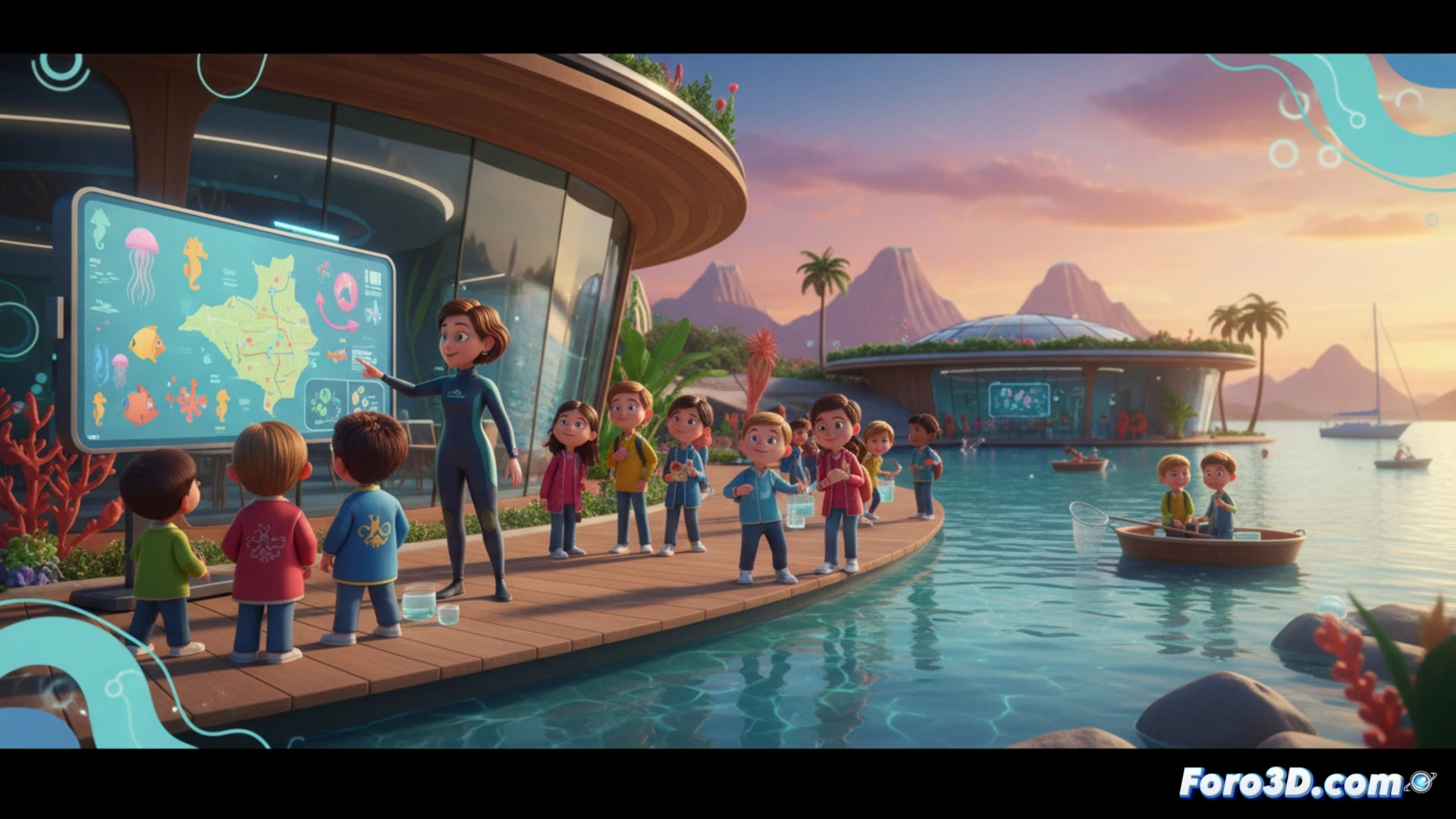
3D Technical Proposals for Deep Educational Immersion 🛠️
Practical implementation could materialize in several projects. First, an interactive and scalable 3D model of the entire Mar Menor basin, allowing visualization of bathymetry, currents, and historical changes. Second, anatomical models of key species like the seahorse or the nacra, with animations of their biological cycles. Third, the creation of virtual reality experiences that simulate the effects of eutrophication from underwater, or that allow time travel to compare past and present states of the ecosystem. These tools offer a powerful layer of visual and experiential information.
Beyond Visualization: Awareness Through Experience 💡
The true value of 3D in this context is not only technical, but pedagogical and emotional. An immersive simulation of a fish die-off or the loss of algae meadows generates a greater comprehensive impact than any graph or explanation. By transforming complex data into sensory experiences, 3D technology can be the definitive bridge between scientific knowledge and citizen awareness, creating a generation of guardians of natural heritage who are better informed and sensitized.
How can immersive 3D visualization transform students' understanding of the Mar Menor ecological crisis, overcoming the limitations of traditional educational methods?
(P.S.: Teaching with 3D models is great, until the students ask to move the pieces and the computer crashes.)