Jonas Vingegaard's resounding victory in the fifth stage of the Volta a Catalunya was not just a sporting spectacle. It was a perfect case study for technical analysis. His attack 6 km from La Molina, unreachable for the rest, can be broken down using 3D simulation technologies to understand the physics and tactics behind such a clear display of superiority. This article proposes an interactive model to visualize the feat. 🚴♂️
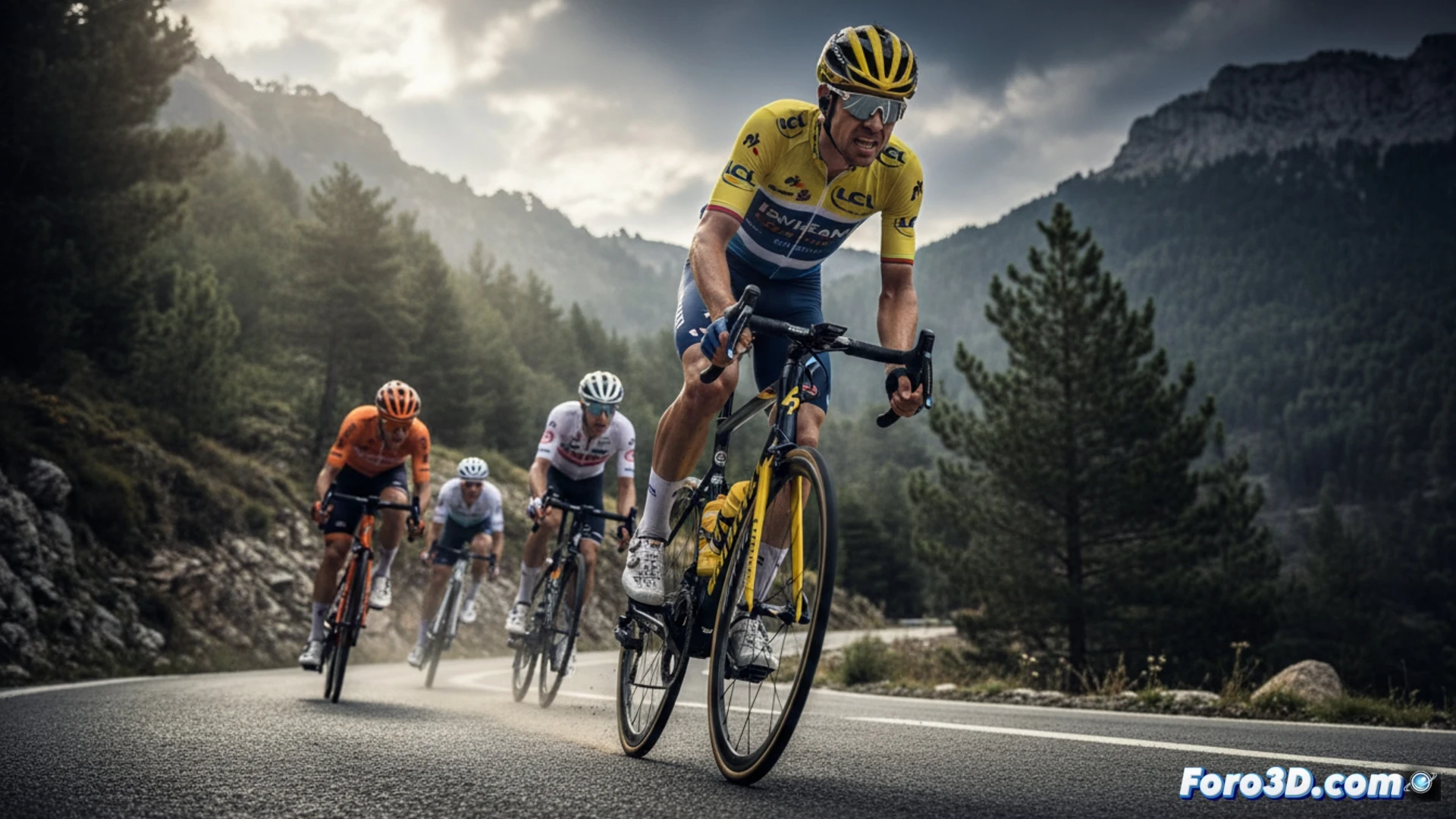
3D Reconstruction of the Profile and Power Simulation 📊
Imagine a geo-referenced 3D model of the final climb section. Over this, Vingegaard's estimated power curve would be overlaid, contrasted with data from his rivals. A particle system would visualize aerodynamic effort and slipstream, showing why following him was impossible. Integrating GPS and biomechanical data, we could recreate his position on the bike and cadence, generating a 3D avatar that shows the efficiency of his pedaling in every meter of that decisive ramp.
Simulation as a Tool to Understand Superiority ⚙️
This interactive model would go beyond recreation. It would allow varying parameters like gradient or pursuers' power to test hypothetical scenarios. The technical conclusion would be resounding: the combination of his power threshold, aerodynamics, and the chosen tactical moment created a performance peak that, visualized in 3D, translates into that 57-second gap. Technology allows us to see what the eye cannot capture: the exact dimension of his dominance.
How can the 3D analysis of position and power in Vingegaard's attack reveal a cyclist's biomechanical limits on a decisive climb?
(PS: player tracking is like following your cat around the house: lots of information and little control)