Moha Attaoui clinched the bronze in the 800m at the Torun Indoor World Championships with a masterful tactic in the final lap. His comeback, overtaking rivals like the Australian Bol, is a perfect case study for sports analysis using 3D technology. By recreating the race in a virtual environment, we can break down his strategy, positions, and the key moment of the overtake, going beyond simple timing to understand the geometry of victory.
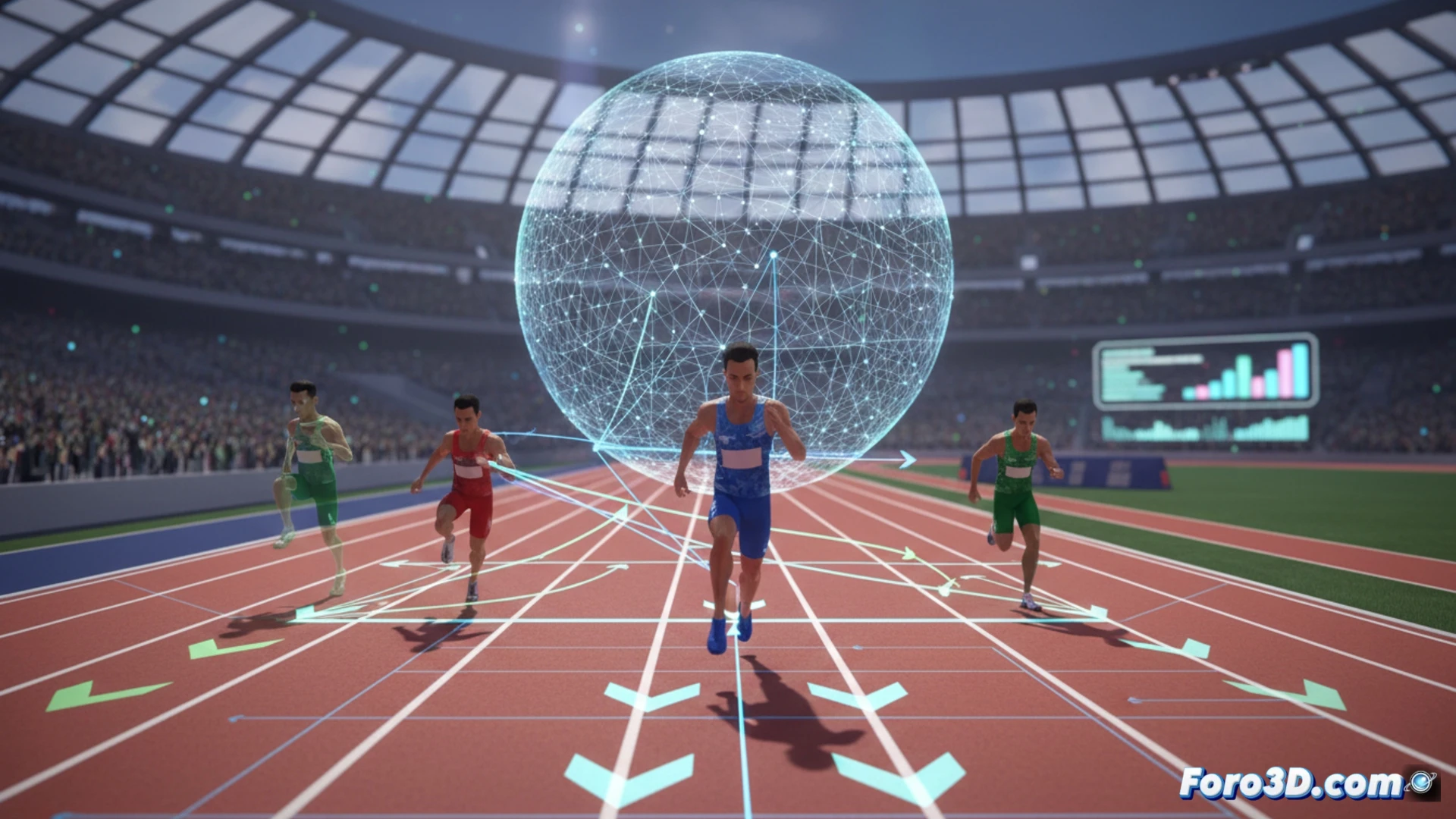
3D Reconstruction: the geometry of the final lap 🏃♂️
A 3D simulation of the final would allow analyzing critical factors. We could map the exact position of each runner at every moment, visualizing the inside line defended by Bol and the outside trajectory chosen by Attaoui to overtake. A 3D biomechanical model would compare Attaoui's stride and posture in that maximum effort with those of Lutkenhaus (gold) and Cretan (silver), identifying technical efficiencies. This interactive visualization would reveal how the tactical decision and technical execution, spatially represented, were decisive for the bronze.
Beyond the podium: simulation as a tool for progress 📈
Attaoui's frustration with rival tactics underscores the need for objective analysis. 3D technology offers that: it turns the subjectivity of a race into verifiable spatial data. For an athlete who arrived as the eleventh favorite, these tools are key to refining strategies, simulating scenarios against different rivals, and transforming the satisfaction of a medal into the technical map to reach gold.
How can 3D modeling and biomechanical data analysis reveal the secrets of Moha Attaoui's final acceleration in his strategic comeback to world bronze?
(PS: 3D VAR: now with replays from angles that didn't even exist)