Matchday 29 of LaLiga featured two highly intense matches with decisive results. Deportivo Alavés achieved a feat by coming back from 3-0 down to win 3-4 against Celta de Vigo, a key victory to distance themselves from relegation. Meanwhile, Athletic Club defeated Betis 2-1 at San Mamés, a result that keeps the lions in the European race. Beyond the match report, these encounters are the perfect stage for a technical analysis through 3D visualization. ⚽
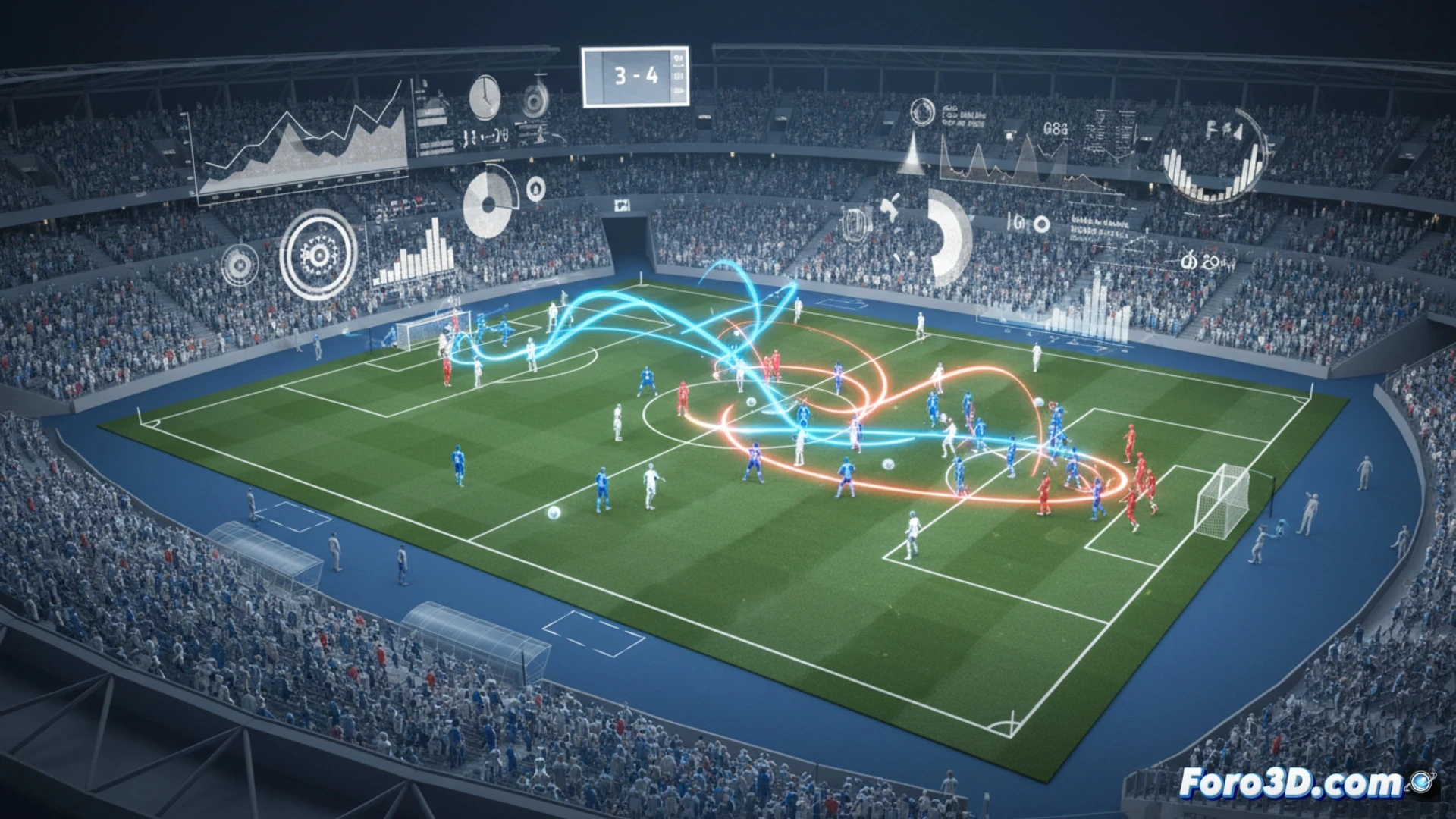
3D Reconstruction: From Match Report to In-Depth Tactical Analysis 🎯
3D technology transforms match narration. To analyze Alavés' comeback, a 3D simulation would allow visualizing the evolution of high pressing after the 3-0, the change in full-backs' positions to generate width, and the millimeter-precise reconstruction of each goal, showing passing angles and runs. In Athletic's goal, a 3D model could isolate the play, showing the synchronization of the attackers' movement, the defensive line, and the ball trajectory. These tools offer coaches and analysts a spatial understanding impossible with flat video.
Beyond the Result: Simulation as a Tool for the Future 🚀
This technological approach marks the evolution of sports analysis. It's no longer enough to describe the comeback; now it can be simulated, quantified, and taught. The 3D reconstruction of key plays serves tactical training, specialized journalism, and a richer experience for the fan. Events like those from this matchday demonstrate that the future of analysis lies in breaking down the complexity of the game in a virtual three-dimensional space.
How can 3D analysis of trajectories and positions reveal the tactical keys to Alavés' comeback at Balaídos?
(P.S.: reconstructing a goal in 3D is easy, the hard part is making it not look like it was scored with the leg of a Lego doll)