Afghan artist Kubra Khademi presents at ARCO Bread, work, freedom, a painting where she strips leaders like Von der Leyen or Clinton naked. Her criticism is direct: she denounces their silence regarding the violation of women's rights in Afghanistan. This work is a powerful example of art-activism, using the body as political territory to challenge those in power. Her message transcends the canvas, inviting urgent reflection on complicity and action.
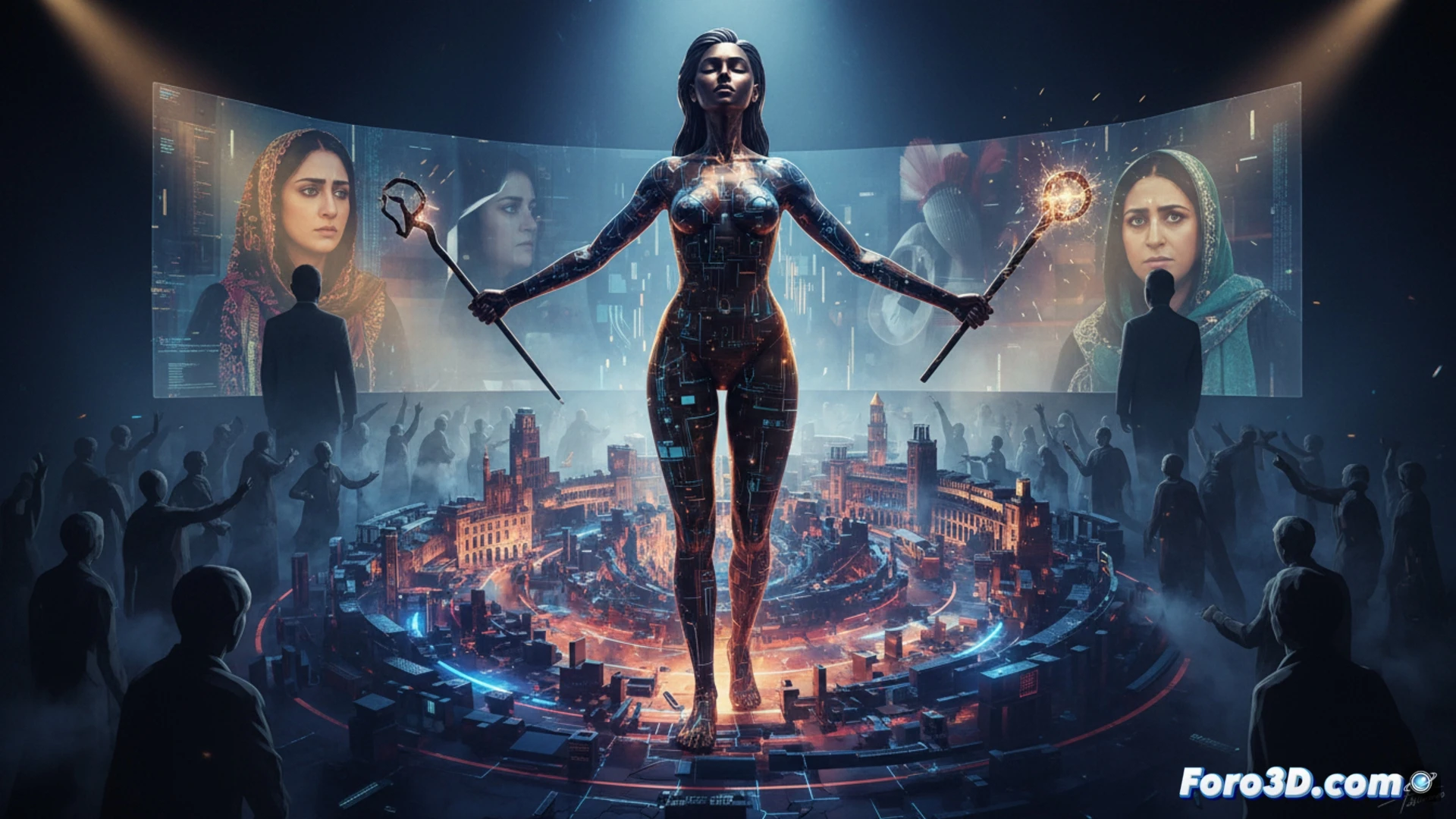
The digital dimension: from canvas to immersive experience 🎭
Khademi's work, although analog, poses a perfect challenge for 3D and digital technologies. Imagining these figures as interactive 3D models would allow symbolically deconstructing their authority from multiple angles. A VR environment could contrast their silence with immersive testimonies from Afghan women, generating deeper bodily empathy. Digitization serves here to amplify, document, and preserve the activist message, transforming a static painting into a space for critical and participatory reflection. These tools can create permanent archives of ephemeral protests and facilitate their global dissemination, overcoming the physical barriers of art fairs.
3D art as a tool for political denunciation 💥
Khademi's case demonstrates how contemporary political art finds a strategic ally in the digital realm. 3D technology is not just a means of representation, but a space for critique. It allows creating powerful allegories, simulating alternative realities, and confronting the viewer in a more visceral way. In a world where crises are silenced, digital art-activism can break that silence, offering immersive narratives that demand an ethical stance. The original work is a cry; 3D technology can turn it into an unstoppable echo.
How can 3D modeling and augmented reality transform the political denunciation of artists like Kubra Khademi into a global and accessible tool for digital activism?
(P.S.: digital political art is like an NFT: everyone talks about it but no one really knows what it is)