1348 Ex Voto presents an attractive premise in medieval Italy, where the knight Aeta seeks to rescue her companion Bianca. Its sword combat system stands out for being elegant and satisfying, forming a promising gameplay core. However, this solid base is severely compromised by two critical flaws: terrible technical performance on PC that ruins the visual experience, and a narrative that fails to develop the central relationship with the necessary depth. This case serves as a clear example of how problems in key areas can ruin a project with potential.
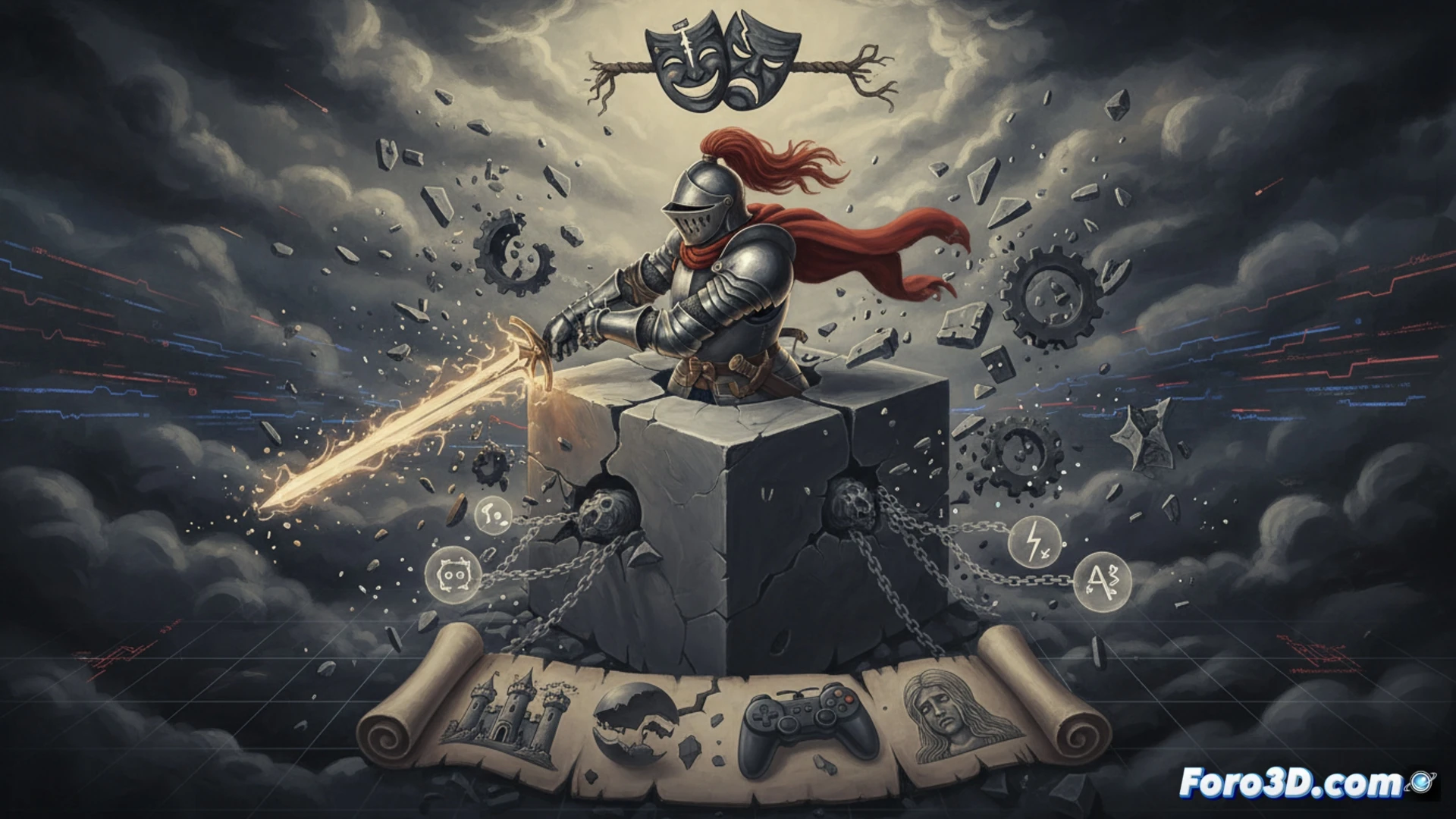
The technical paradox: polished combat versus disastrous optimization 🎮
The technical analysis of 1348 Ex Voto reveals an instructive paradox for developers. On one hand, the team dedicated resources to creating a fluid and responsive combat system, with careful animations and a sense of weight that demonstrates attention to gameplay. On the other, it failed spectacularly in PC optimization, with performance issues, frame drops, and a visual presentation that does not do justice to its assets. This disconnect underscores a vital lesson: a good game engine is not enough if it is not accompanied by rigorous and platform-specific optimization work. In the current PC market, where players are sensitive to performance, this oversight can be fatal, ruining the perception of even the best-designed mechanics.
Narrative and technique: an indispensable balance for engagement ⚖️
Beyond frames per second, the game stumbles in the narrative. The relationship between Aeta and Bianca, the emotional engine of the plot, remains on the surface. Without deep development or moments that genuinely connect the player with the characters, the story feels flat. This, added to the technical problems, creates a double blow that prevents immersion. The lesson is clear: for projects with narrative ambition, storytelling must receive attention proportional to that of gameplay. Satisfying combat can keep a player, but only a polished technical experience and a well-told story will hook them and make the adventure, though brief, endure in their memory.
How would you approach the lighting in this level?